What Is Kiwi.com Disruption Protection and Is It Worth Paying For?
In the complex world of modern travel, especially when booking multi-leg journeys with different airlines, disruptions are an unfortunate reality. Delays, cancellations, and missed connections can quickly turn an exciting trip into a nightmare. This is precisely where services like Kiwi.com Disruption Protection aim to offer a crucial safety net. But what exactly is it, how does it work, and for the savvy traveler planning their 2026 adventures, is it genuinely worth the extra cost? This comprehensive guide will dissect every aspect of Kiwi.com's offering, providing a depth-driven analysis to help you make an informed decision.
Kiwi.com Disruption Protection is an optional service designed to safeguard travelers against unforeseen travel interruptions, particularly those arising from self-transfer itineraries - where you book separate tickets with different carriers. It promises assistance with rebooking, alternative transport, or refunds in specific disruption scenarios. While it offers a compelling promise of peace of mind, its true value depends heavily on your travel style, risk tolerance, and the specific terms and conditions of your booking. Throughout this article, we'll explore its mechanics, compare it to alternatives like traditional travel insurance and direct booking, and provide actionable insights to determine if it aligns with your travel needs.
By the end of this extensive review, you will have a crystal-clear understanding of Kiwi.com Disruption Protection, enabling you to confidently assess whether it's a wise investment for your next journey. We'll delve into its various tiers, examine real-world scenarios, highlight its limitations, and guide you through the claims process, ensuring you're fully equipped to navigate the potential complexities of modern air travel with or without this added layer of protection. Let's embark on this journey to decode Kiwi.com's offering.
What Exactly Is Kiwi.com Disruption Protection?
Kiwi.com Disruption Protection is a proprietary service offered by Kiwi.com, an online travel agency (OTA) renowned for its virtual interlining technology that combines flights from otherwise uncooperative airlines onto a single itinerary. Essentially, it's a form of in-house travel protection designed to mitigate the financial and logistical fallout when disruptions occur, particularly for those complex, self-transfer itineraries where traditional airline guarantees don't apply.
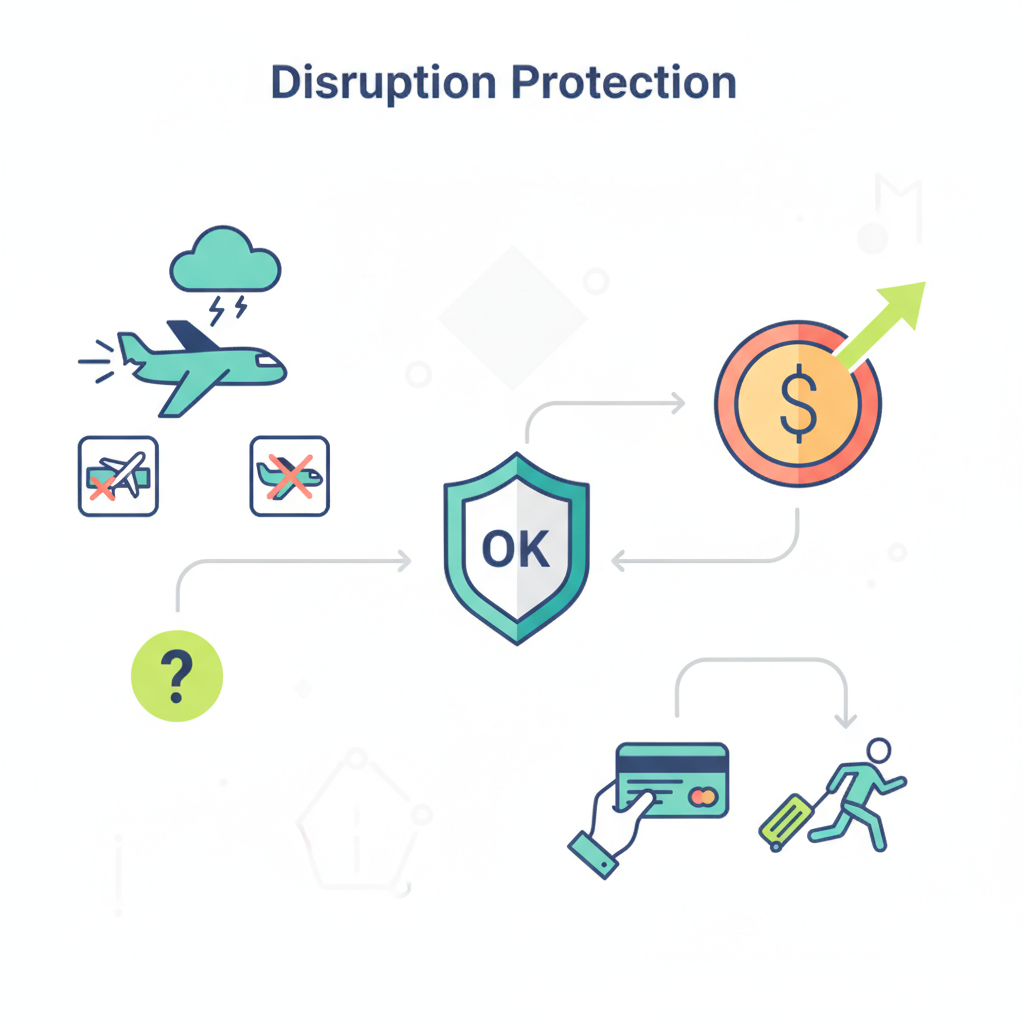
At its core, Disruption Protection acts as a safety net for travelers whose journeys are interrupted due to issues like flight delays, cancellations, or missed connections, especially when these problems arise from one segment affecting a subsequent, separately booked segment. Without this protection, if an airline on the first leg of a self-transfer booking causes a delay that makes you miss your second, unrelated flight, you would typically be responsible for the full cost of rebooking the second flight and any associated expenses. Kiwi.com's service steps in to cover these costs or provide alternative solutions, depending on the chosen protection tier.
For instance, imagine you've booked a flight from London to Berlin with Ryanair, and then a separate flight from Berlin to Rome with EasyJet, all facilitated by Kiwi.com's platform. If the Ryanair flight is delayed by several hours, causing you to miss your EasyJet connection in Berlin, Kiwi.com Disruption Protection would activate. Instead of being stranded and having to buy a new, expensive last-minute ticket to Rome, Kiwi.com would offer to find you an alternative flight, provide a refund for the unused portion of your trip, or arrange for alternative ground transportation, depending on the circumstances and your chosen protection level. This is a significant distinction from booking directly with a single airline or alliance, where a missed connection on a single ticket would typically be handled by the operating carrier.
The service is particularly relevant for travelers leveraging Kiwi.com's ability to create unique, often cheaper, itineraries by combining low-cost carriers or non-partner airlines. These itineraries, while budget-friendly, inherently carry a higher risk of disruption because airlines are not obligated to assist with segments booked on separate tickets. Kiwi.com Disruption Protection bridges this gap, providing a layer of security that mimics the protection offered by a traditional single-ticket booking, but for virtual interlining itineraries. It's an acknowledgment of the inherent risks of their innovative booking model, offering a solution to make these complex journeys more palatable for the average traveler. It's not standard travel insurance, but rather a specialized product tailored to the unique complexities of multi-carrier, self-transfer bookings.
How Does Kiwi.com Disruption Protection Work in Practice?
When a travel disruption occurs, Kiwi.com Disruption Protection typically kicks into action once you report the issue through their platform. The mechanism is designed to provide immediate assistance, offering rebooking options, alternative transportation, or a refund for the affected portions of your journey. The exact response depends on the nature of the disruption, the time remaining until your next connection, and the specific tier of protection you've purchased.
Upon notification of a delay, cancellation, or missed connection, Kiwi.com's support team evaluates the situation. If you have Disruption Protection, they will typically present you with several options. These might include finding you a new flight to your destination, arranging bus or train tickets if feasible, or processing a refund for the unused segments of your trip. The goal is to get you to your destination with minimal additional cost to you, or to compensate you for the disrupted travel. This is a crucial distinction from traditional travel insurance, which often requires you to pay out-of-pocket first and then file a claim for reimbursement, a process that can be lengthy and uncertain.
Consider a scenario: you're flying from Manchester to Bangkok with a self-transfer connection in Dubai, booked through Kiwi.com with Disruption Protection. Your first flight to Dubai is unexpectedly cancelled just hours before departure. Immediately, you would contact Kiwi.com's support via their app or website. Their team would then assess alternative flights from Manchester to Dubai, and from Dubai to Bangkok, aiming to get you on the next available connection. If no suitable flights are available within a reasonable timeframe, or if the delay means you'd miss a critical event, they might offer a full refund for the entire trip, or a partial refund for the segments you can no longer use, allowing you to make your own arrangements. This proactive assistance, often involving real-time rebooking, is a key benefit.
The operational framework relies heavily on Kiwi.com's extensive network and booking capabilities. They have access to a vast database of flight routes and alternative transportation options, allowing them to quickly identify viable solutions. This can be particularly advantageous in high-stress situations where you might not have the time or resources to find new bookings yourself, especially in an unfamiliar airport or country. However, it's vital to remember that the effectiveness of this rebooking depends on real-time availability and the policies of the airlines involved. While Kiwi.com acts as your advocate, they are still constrained by what's actually available in the market at the time of disruption. The process, while streamlined, still requires traveler engagement to communicate the issue and accept the proposed solutions.
What Are the Different Tiers of Kiwi.com Disruption Protection?
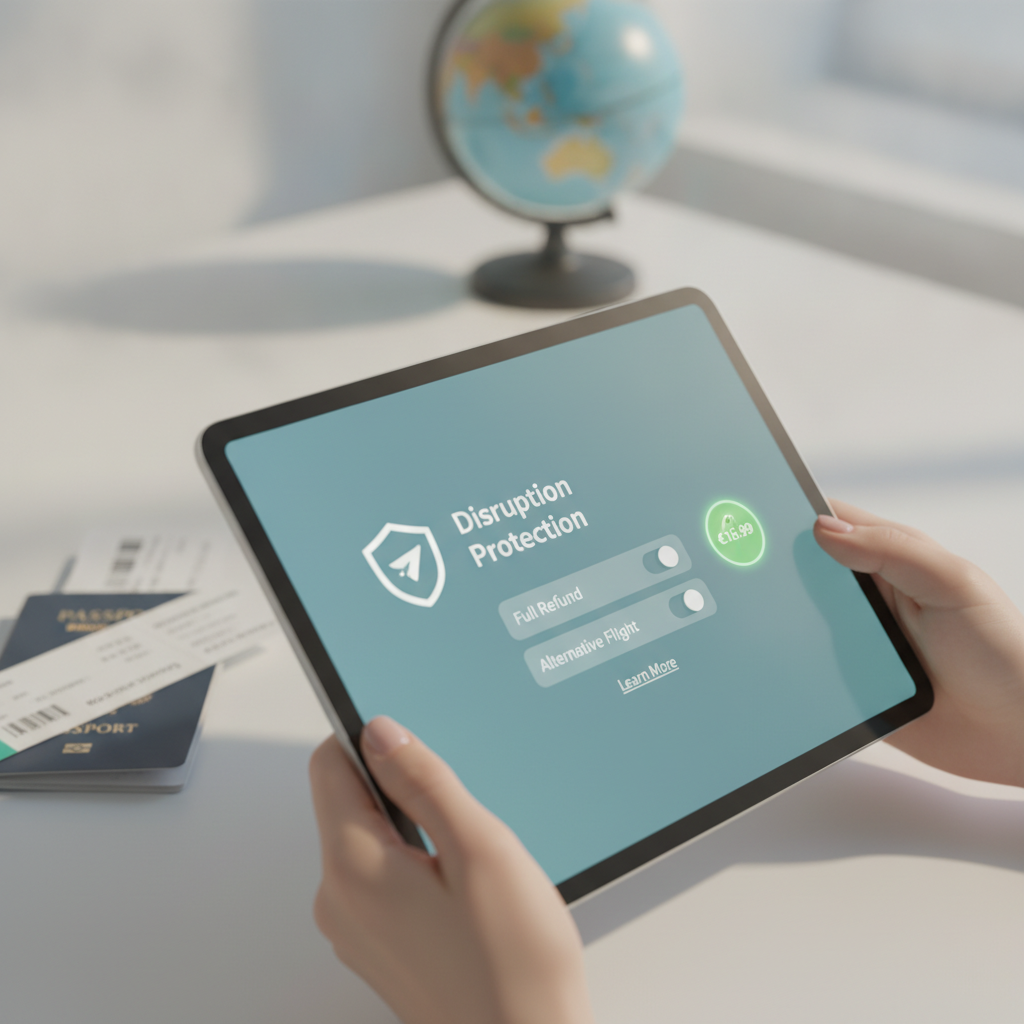
Kiwi.com typically offers different tiers of Disruption Protection, often labeled as 'Basic', 'Standard', and 'Premium' (or similar variations), each providing varying levels of coverage and flexibility. Understanding these tiers is crucial for determining the true value proposition, as the cheapest option might not offer sufficient protection for complex itineraries, while the most expensive might be overkill for simple trips.
The Basic Protection tier usually offers the most fundamental coverage. This might include rebooking you on the next available flight to your destination or providing a refund for the unused portion of your trip if a disruption (like a cancellation or significant delay) prevents you from completing your journey as planned. However, it might have limitations on the type of alternative transport offered (e.g., only flights, not ground transport) or the timeframe within which you must accept a solution. It's designed for minimal intervention and typically covers the core issue of getting you to your destination or refunding your money.
The Standard Protection tier builds upon the Basic, offering enhanced benefits. This often includes faster rebooking, a wider range of alternative transportation options (such as bus or train tickets if a flight isn't immediately available), and potentially some reimbursement for accommodation if an overnight stay is required due to a long delay. This tier provides a more robust safety net, acknowledging that disruptions can lead to more than just missed flights, but also unexpected overnight expenses. It's a popular choice for travelers who want a balance between cost and comprehensive coverage for moderate disruptions.
The Premium Protection, as the name suggests, offers the most extensive coverage. This top-tier option typically includes all the benefits of the Standard Protection, but with additional perks. These might involve guaranteed faster processing of claims, higher limits for accommodation and meal reimbursements, or even assistance with ground transfers between airports if your rebooked itinerary requires it. In some cases, it might also offer more flexibility in choosing alternative flights or a higher refund percentage. This tier is aimed at travelers who prioritize maximum peace of mind and minimal personal expense in the event of a significant disruption, often for long-haul or high-value multi-leg journeys. Always review the specific terms for each tier at the time of booking, as these details can evolve over time and vary by region or specific itinerary.
When Is Kiwi.com Disruption Protection Most Beneficial?
Kiwi.com Disruption Protection truly shines in specific travel scenarios where traditional booking methods or standard travel insurance might fall short. Its primary benefit lies in mitigating the risks associated with virtual interlining, making it particularly advantageous for certain types of travelers and itineraries. Understanding these use cases helps in determining its worth.
The protection is most beneficial for complex, self-transfer itineraries. If your journey involves multiple flights booked with different airlines on separate tickets, especially with tight connection times, the risk of a missed connection due to a delay on one leg is significantly higher. Traditional airlines are not obligated to assist you if you miss a subsequent flight not on their ticket. In such cases, Kiwi.com Disruption Protection acts as your primary safeguard, stepping in to rebook or refund when airlines won't. This is where its value is arguably at its peak, transforming a high-risk booking into a more manageable one.
Consider a traveler planning a budget-conscious trip across Europe, piecing together flights from various low-cost carriers like Ryanair, Wizz Air, and EasyJet to save money. While the individual flight segments are cheap, a delay on the first flight could lead to missing the second, incurring significant costs to rebook. With Disruption Protection, this financial burden is shifted to Kiwi.com. This allows budget travelers to explore more flexible and affordable routing options without the constant anxiety of a potential domino effect from a single delay. It essentially makes the 'build-your-own' itinerary approach much less risky.
Another key scenario where it's highly beneficial is for time-sensitive travel, such as attending a wedding, a crucial business meeting, or catching a connecting cruise. Missing a connection in these situations isn't just an inconvenience; it can have severe financial or personal consequences. While the protection can't guarantee you'll make your original event, its promise of rapid rebooking or alternative transport aims to minimize the delay and get you there as quickly as possible. This speed of response, often offering real-time solutions, can be more effective than the slower reimbursement process of some travel insurance policies. For travelers who prioritize reaching their destination, even if it means a slight detour or alternative mode of transport, this protection offers a pragmatic solution.
Finally, for less experienced international travelers or those venturing into regions with potentially less reliable flight schedules, Disruption Protection offers significant peace of mind. Navigating flight disruptions in a foreign country, possibly with language barriers and limited internet access, can be incredibly stressful. Having Kiwi.com's dedicated support team handle rebookings and logistics can alleviate much of this burden, providing a crucial layer of assistance that might otherwise be unavailable. It essentially provides a concierge-like service for disruption management, which can be invaluable for those less accustomed to independent problem-solving during travel crises.
What Are the Key Limitations and Exclusions of Kiwi.com Disruption Protection?
While Kiwi.com Disruption Protection offers a valuable safety net, it's crucial to understand its limitations and exclusions before relying solely on it for your travel security. No protection plan is all-encompassing, and being aware of what isn't covered can prevent unpleasant surprises during a disruption.
One primary limitation is that the protection typically only covers disruptions caused by the airline or unforeseen operational issues (like weather or technical problems). It generally does not cover disruptions arising from your own actions or negligence. For example, if you miss a flight because you overslept, arrived late to the airport, or failed to secure necessary visa documents, Kiwi.com Disruption Protection will not activate. This distinction is important; it's there for external factors affecting your itinerary, not internal traveler errors.
Another significant exclusion often relates to personal choice or change of mind. If you decide to cancel your trip for personal reasons, or if you simply find a cheaper flight and want to switch, Disruption Protection does not provide a refund or rebooking. It's strictly for involuntary disruptions to your booked itinerary. Furthermore, the protection usually has specific time limits for reporting a disruption. If you fail to notify Kiwi.com within a stipulated timeframe (e.g., 24 hours of the original flight's departure), your claim might be invalidated. This emphasizes the need for immediate communication with their support team as soon as a problem arises.
The protection also has monetary caps and specific conditions regarding reimbursements. While it aims to cover rebooking costs, and sometimes accommodation or meals, there are often maximum limits on these expenses. For example, a hotel reimbursement might be capped at a certain amount per night, and meals at a daily allowance. These caps might not always cover luxury accommodations or gourmet dining, so travelers should manage their expectations accordingly. It's designed to provide reasonable assistance, not a lavish experience during a disruption. Moreover, if a cheaper alternative is available, Kiwi.com might opt for that rather than a more expensive, albeit more convenient, option you might prefer.
Finally, it's essential to recognize that Kiwi.com Disruption Protection is not a substitute for comprehensive travel insurance. It focuses specifically on flight disruptions related to your Kiwi.com itinerary. It does not cover medical emergencies, lost luggage (beyond rebooking implications), trip cancellation due to illness, personal liability, or other common events covered by broader travel insurance policies. Travelers with significant health concerns, expensive belongings, or a high financial investment in their trip should still consider separate travel insurance. Understanding these boundaries is key to properly evaluating the overall security blanket this protection offers.
How Does Kiwi.com Disruption Protection Compare to Travel Insurance?
Comparing Kiwi.com Disruption Protection with traditional travel insurance is crucial because they serve different, albeit sometimes overlapping, purposes. While both offer a form of security for travelers, their scope, triggers, and claim processes differ significantly, impacting which is the better choice for specific needs.
Kiwi.com Disruption Protection is highly specialized. Its primary function is to address itinerary disruptions directly linked to the multi-leg, often self-transfer, bookings made through Kiwi.com. It's designed to step in when a flight delay, cancellation, or missed connection impacts subsequent legs of your journey, offering real-time rebooking, alternative transport, or refunds. The key here is the immediate, proactive response to getting you to your destination or compensating for the specific flight segments. It's an operational solution to a logistical problem inherent in virtual interlining. For example, if your first flight on a Kiwi.com itinerary is delayed, causing you to miss your second, unrelated flight, Kiwi.com will work to rebook you or refund the affected parts, usually without you having to pay upfront.
In contrast, traditional travel insurance offers a much broader spectrum of coverage. A comprehensive policy typically covers medical emergencies abroad, lost or delayed luggage, trip cancellation due to illness or unforeseen personal events (unrelated to airline operations), personal liability, emergency evacuation, and sometimes even rental car excess. While many travel insurance policies include trip delay or cancellation benefits, these often require you to pay for new arrangements yourself and then file a claim for reimbursement, which can be a lengthy process. Furthermore, many standard travel insurance policies specifically exclude issues arising from self-transfer flights unless explicitly stated and often come with higher deductibles or complex claim procedures for such scenarios.
Here's a comparison table to highlight the key differences:
| Feature | Kiwi.com Disruption Protection | Traditional Travel Insurance |
|---|---|---|
| Primary Focus | Flight itinerary disruptions (delays, cancellations, missed self-transfers) on Kiwi.com bookings. | Broad coverage: medical, luggage, trip cancellation (personal reasons), liability, etc. |
| Coverage Trigger | Airline-caused disruptions affecting Kiwi.com itinerary. | Wide range of events: illness, injury, theft, airline disruption (often with exclusions for self-transfers). |
| Claim Process | Proactive, real-time rebooking/refunds by Kiwi.com; direct assistance. | Reimbursement model; usually pay upfront, then file claim with insurer. |
| Scope of Coverage | Limited to specific travel segments and related rebooking/accommodation. | Extensive; covers many aspects of the trip and traveler's well-being. |
| Virtual Interlining | Specifically designed to cover risks of separate tickets. | Often excludes or has limited coverage for separate tickets/self-transfers. |
| Cost | Typically a one-time add-on fee per booking. | Premium based on trip duration, destination, age, coverage level. |
| Where to Buy | View Deal |
The actionable insight here is that for complex, self-transfer itineraries booked through Kiwi.com, their Disruption Protection offers a targeted and often immediate solution to a very specific and common problem. However, it does not replace the need for comprehensive travel insurance, especially for medical coverage or protection against non-flight related trip cancellations. Many savvy travelers might consider both: Kiwi.com's protection for the specific virtual interlining risks, and a separate travel insurance policy for broader health, luggage, and personal emergency coverage. The choice depends on your risk tolerance and the overall investment in your trip.

Is Kiwi.com Disruption Protection Worth Paying For: A Cost-Benefit Analysis?
Determining whether Kiwi.com Disruption Protection is worth its cost involves a careful cost-benefit analysis, weighing the upfront expense against the potential financial and logistical headaches it could prevent. There's no universal 'yes' or 'no' answer; its value is highly contextual to your specific travel plans and personal risk appetite.
The Cost: The price of Kiwi.com Disruption Protection varies based on the complexity of your itinerary, the number of flight segments, the total cost of your trip, and the selected tier of protection (Basic, Standard, Premium). It's typically presented as an optional add-on during the booking process, ranging from a small percentage of your total fare to a more significant sum for very intricate or high-value multi-continent journeys. This upfront cost is your insurance premium, so to speak, against future disruptions.
The Benefits: The primary benefit is the peace of mind it offers, particularly for virtual interlining itineraries. Without it, a single delayed flight could lead to you forfeiting subsequent non-refundable tickets and having to purchase new, expensive last-minute flights. Disruption Protection mitigates this financial risk, offering rebooking or refunds. It also provides convenience and support; in a stressful situation, having Kiwi.com's team handle the rebooking logistics can save immense time and effort, especially in unfamiliar airports or with language barriers. For a traveler who values avoiding out-of-pocket expenses and managing unexpected stress, this is a significant advantage.
Scenario A: High-Risk, High-Value Trip. Imagine a round-the-world trip pieced together with multiple budget airlines, costing several thousand dollars, with tight connections in major hubs. The probability of a disruption over many legs is higher, and the cost of rebooking even one segment could easily exceed the protection fee. In this scenario, the Disruption Protection acts as a highly valuable safeguard, potentially saving you hundreds or thousands of dollars and immense stress. The cost-benefit ratio here heavily favors purchasing the protection.
Scenario B: Low-Risk, Simple Trip. Consider a direct, round-trip flight on a major airline, or a simple two-leg journey with ample layover time, all booked on a single ticket (even if through Kiwi.com). In such cases, the airline itself is generally responsible for rebooking you in case of disruption. The added layer of Kiwi.com's protection might offer marginal additional benefit for a higher cost, especially if you already have comprehensive travel insurance. Here, the benefit might not outweigh the cost, and the money could be better spent elsewhere or saved.
Actionable Takeaway: To assess its worth, consider these factors: 1. Itinerary Complexity: More self-transfers and tighter connections increase its value. 2. Trip Value: Higher overall trip cost means more to lose without protection. 3. Risk Tolerance: If you dread dealing with disruptions, the peace of mind is valuable. 4. Existing Coverage: Does your credit card or separate travel insurance already cover self-transfer disruptions? (Many don't.) If your itinerary is complex and involves separate tickets, the protection is often a wise investment. For simple, single-ticket bookings, or if you have robust alternative coverage, it might be an unnecessary expense. Always compare the offered protection cost against the potential cost of having to rebook your most expensive flight segment out-of-pocket.
Kiwi.com Disruption Protection vs. Booking Direct: Which Offers More Peace of Mind?
The choice between booking through an Online Travel Agency (OTA) like Kiwi.com (with or without Disruption Protection) and booking directly with airlines is a perennial debate among travelers. For peace of mind, especially concerning disruptions, the 'direct' approach often holds a distinct advantage, though Kiwi.com's protection aims to bridge that gap.
Booking Directly with Airlines: When you book a multi-leg journey directly with a single airline or within an airline alliance (e.g., Star Alliance, SkyTeam), your entire itinerary is typically on one ticket. This means the airline is contractually obligated to get you to your final destination, even if disruptions occur. If your first flight is delayed and you miss your connection, the airline will generally rebook you on the next available flight at no extra cost, cover accommodation if an overnight stay is required, and sometimes even meals. This is mandated by passenger rights regulations in many regions (like EU261 in Europe). The peace of mind here comes from knowing there's a single point of contact and a clear set of responsibilities from the carrier. You're less likely to be stranded or incur significant out-of-pocket expenses due to an airline's operational issues.
Booking with Kiwi.com (Without Protection): When you book a self-transfer itinerary through Kiwi.com without Disruption Protection, you are essentially purchasing several separate tickets. If a delay on one airline causes you to miss a subsequent flight with a different, unrelated airline, you are generally on your own. Neither airline is responsible for the missed connection, as they view each flight as an independent contract. This is a high-risk scenario, and while it might save money upfront, the potential for significant financial loss and immense stress in case of disruption is substantial. For true peace of mind, this option is generally the least desirable for complex itineraries.
Booking with Kiwi.com (With Disruption Protection): This option attempts to combine the cost-saving benefits of virtual interlining with a safety net similar to direct booking. With Disruption Protection, Kiwi.com steps in as your advocate. If a disruption occurs, they will actively work to rebook you, offer alternative transport, or provide a refund, essentially taking on the responsibility that the individual airlines would not. This significantly enhances peace of mind compared to booking without protection, as it mitigates the biggest risk of self-transfer itineraries. It aims to provide a comparable level of security, though the process might involve interacting with Kiwi.com's support rather than directly with the airline.
Actionable Insight: For maximum peace of mind on simple, single-ticket itineraries, booking directly with the airline or through a traditional OTA that issues a single ticket is often superior. You deal directly with the carrier, and their obligations are clear. However, for complex, multi-carrier, self-transfer itineraries where significant cost savings are available through Kiwi.com, their Disruption Protection can offer a very high degree of peace of mind, closely mimicking the security of a direct booking for the specific risk of missed connections. Without this protection, the peace of mind for such itineraries is minimal. Travelers must weigh the cost savings against the support structure and choose accordingly.
What Are the Steps to File a Claim with Kiwi.com Disruption Protection?
Filing a claim with Kiwi.com Disruption Protection is designed to be a streamlined process, but it requires prompt action and clear communication from the traveler. Understanding the steps in advance can significantly ease the stress of an actual disruption and ensure your claim is processed efficiently.
Step 1: Immediate Notification. The most critical step is to notify Kiwi.com as soon as you become aware of a disruption. This means as soon as your flight is delayed, cancelled, or if you realize you're going to miss a connection. Do not wait. Kiwi.com's terms often stipulate a timeframe (e.g., within 24 hours of the original flight's departure, or even sooner for immediate rebooking) within which you must report the issue. The easiest way to do this is usually through their mobile app or the 'Manage My Booking' section on their website. Look for a dedicated 'Disruption' or 'Help' button that will guide you to report the incident. Providing specific details like flight numbers, original departure times, and the nature of the disruption is crucial.
Step 2: Await Kiwi.com's Options. Once you've reported the disruption, Kiwi.com's support team will evaluate your situation based on your protection tier and the available alternatives. They will typically present you with several options: rebooking on the next available flight, arranging alternative ground transportation (bus, train), or offering a refund for the unused portions of your trip. These options will be communicated via the app, email, or sometimes phone. It's important to review these options carefully and select the one that best suits your needs, keeping in mind that the goal is to get you to your destination or compensate you, not necessarily to match your original preferred itinerary perfectly.
Step 3: Accept a Solution. After reviewing the proposed solutions, you will need to formally accept one through the Kiwi.com platform. Once you accept, Kiwi.com will proceed with the rebooking or refund process. If rebooking, they will send you new e-tickets or booking confirmations. If a refund is chosen, they will initiate the refund process back to your original payment method. It's imperative not to make your own alternative arrangements (e.g., booking a new flight yourself) without first consulting Kiwi.com, as this could void your protection or make it harder to claim reimbursement.
Step 4: Keep Records (If Applicable). While Kiwi.com handles the rebooking, if your protection tier includes reimbursement for accommodation, meals, or transfers, you will need to keep all original receipts. After accepting a rebooking that requires an overnight stay or extended wait, you would then submit these receipts to Kiwi.com for reimbursement according to the terms of your protection. This typically involves uploading scanned copies or photos of receipts through their online portal. Be sure to understand the specific limits and requirements for these supplementary reimbursements as per your chosen protection tier. This proactive approach ensures you maximize the benefits of your Disruption Protection.
Who Should Consider Kiwi.com Disruption Protection and Who Should Avoid It?
Deciding whether to opt for Kiwi.com Disruption Protection boils down to individual travel habits, risk tolerance, and the specifics of your itinerary. It's not a one-size-fits-all solution, and understanding your traveler profile is key.
Who Should Strongly Consider It:
- Budget-Conscious Adventurers with Complex Itineraries: If you frequently leverage Kiwi.com's virtual interlining to stitch together cheap flights from different low-cost carriers, especially with tight connections, this protection is almost essential. The cost savings from virtual interlining are often significant, but so are the risks. The protection mitigates these risks, making those creative, budget-friendly routes viable.
- Travelers with Time-Sensitive Journeys: If you absolutely must reach your destination by a certain time for an event like a wedding, cruise departure, or critical business meeting, the peace of mind and rapid rebooking assistance can be invaluable. The cost of missing such an event (financially or personally) often far outweighs the protection fee.
- Less Experienced International Travelers: Navigating disruptions in unfamiliar airports, possibly with language barriers, can be incredibly stressful. Having Kiwi.com's support team handle rebooking and logistics provides a crucial safety net for those who prefer not to manage such crises independently.
- Travelers Without Comprehensive Self-Transfer Coverage: Many standard travel insurance policies or credit card benefits do not cover missed connections on separately booked tickets. If you don't have alternative coverage for this specific risk, Kiwi.com's protection fills a critical gap.
Who Should Potentially Avoid It:
- Travelers Booking Simple, Single-Ticket Itineraries: If your entire journey is on one ticket with a single airline or alliance, the airline is already responsible for rebooking you in case of disruption. Paying for additional protection from Kiwi.com might be redundant, as the airline's obligations often cover similar scenarios.
- Travelers with Ample Layover Times: If your self-transfer itinerary includes very generous layovers (e.g., 6+ hours), the risk of missing a connection due to a minor delay is significantly reduced. While still possible, the probability might not justify the additional cost.
- Highly Self-Sufficient, Flexible Travelers: If you're comfortable and capable of independently researching and rebooking flights, finding alternative transport, and managing potential out-of-pocket costs during a disruption, you might view the protection as an unnecessary expense. This often applies to seasoned backpackers or digital nomads with very flexible schedules.
- Travelers with Robust Alternative Coverage: If your existing comprehensive travel insurance policy or premium credit card already offers explicit, robust coverage for self-transfer missed connections, including rebooking and substantial reimbursement for incidental expenses, then Kiwi.com's protection might be duplicative. Always check the fine print of your existing policies meticulously.
Actionable Insight: Before adding Disruption Protection, consider the 'what if' scenario. Calculate the potential cost of having to rebook your most expensive flight segment and any necessary overnight stays out-of-pocket. If that figure is substantially higher than the protection fee, it's likely a worthwhile investment. If the risk is low, or you're already covered, you can probably save the money. It's about balancing potential savings with unavoidable risks.
Understanding the Importance of Policy Clarity and Communication
In the realm of travel protection, the clarity of a policy and the effectiveness of communication during a crisis are paramount. For Kiwi.com Disruption Protection, these aspects significantly influence a traveler's overall experience and the perceived value of the service. Ambiguity in terms or slow response times can quickly negate the benefits of any protection plan.
Kiwi.com, like any OTA offering such services, aims to provide clear terms and conditions. However, the nature of virtual interlining - combining multiple carriers with their own distinct policies - adds layers of complexity. Travelers must diligently read the specifics of the Disruption Protection at the time of purchase. This includes understanding what constitutes a 'disruption' for the purpose of the protection, the exact monetary limits for rebooking, accommodation, and meals, and crucially, the timeframe within which a disruption must be reported. For instance, some policies might define a delay as only being significant after a certain number of hours, or might have strict cut-off times for seeking alternative arrangements. A clear understanding of these nuances is your first line of defense against disappointment.
Effective communication from Kiwi.com during a disruption is equally vital. When a flight is cancelled or delayed, travelers are often in a stressful and time-sensitive situation. The ability to quickly reach Kiwi.com's support, receive clear instructions, and get prompt solutions is a core promise of the Disruption Protection. Historically, customer service responsiveness for OTAs can be a point of contention, and Kiwi.com is no exception. While the protection aims to streamline this, traveler reports on support quality can vary. It's crucial for Kiwi.com to maintain robust, multi-channel support (app, chat, phone) that is easily accessible and provides actionable assistance when it matters most.
A real-world example of policy clarity impacting a traveler: a family booked a multi-leg trip through Kiwi.com with Disruption Protection. Their first flight was delayed, causing them to miss their second. Upon contacting Kiwi.com, they were offered rebooking on a flight departing the next morning. However, they were surprised to learn that while accommodation was covered, the hotel offered was a basic option, and meal reimbursements were capped at a level that barely covered fast food for the family. The family felt the 'Premium' protection they purchased hadn't delivered on their unstated expectation of a more comfortable solution, simply because they hadn't thoroughly reviewed the specific monetary caps and conditions in the policy document. This highlights the gap between perceived and actual coverage.
Therefore, actionable insight suggests that travelers must not only purchase the protection but also invest time in understanding its specific terms. Save a copy of the policy document. Familiarize yourself with the reporting procedure. Manage your expectations regarding the level of reimbursement for incidental expenses. While Kiwi.com provides the framework, an informed traveler is a better-protected traveler. Clear communication from the platform, combined with proactive understanding from the traveler, forms the strongest shield against travel woes.
Maximizing Your Protection: Tips for Kiwi.com Disruption Protection Users
Even with Kiwi.com Disruption Protection in place, there are several proactive steps travelers can take to maximize its effectiveness and ensure a smoother resolution in the event of a disruption. Simply purchasing the protection is the first step; intelligent utilization is the second.
Firstly, download and familiarize yourself with the Kiwi.com mobile app. This app is often your most direct and efficient channel for reporting disruptions and communicating with their support team. It typically offers real-time notifications about flight changes and provides an integrated platform for initiating claims. Relying solely on email or phone calls during a fast-moving crisis can lead to delays in resolution. Having the app installed and logged in before your trip significantly streamlines the reporting process.
Secondly, always keep all your booking documentation easily accessible. This includes your original Kiwi.com itinerary, e-tickets, and any confirmation emails. While Kiwi.com will have records, having your own copies readily available - perhaps saved offline on your phone or printed - can speed up verification if there are any discrepancies. This is especially true if you are required to submit receipts for incidental expenses like meals or accommodation, which is often a component of the higher protection tiers. Clear, organized documentation makes the reimbursement process much smoother.
Thirdly, understand the local passenger rights in your departure or arrival region. While Kiwi.com Disruption Protection covers the specific risks of virtual interlining, you might also be entitled to compensation under regulations like EU261 (for flights departing from or arriving in the EU/UK) if the disruption is due to the airline's fault. Kiwi.com's protection doesn't negate these rights; rather, it often works in parallel. Being aware of your rights can help you understand the full scope of potential compensation or assistance, allowing you to advocate more effectively for yourself or ensure Kiwi.com's proposed solution is fair.
Finally, remain calm and communicate clearly. Travel disruptions are stressful, but a calm and concise approach when contacting Kiwi.com's support can lead to a quicker and more favorable outcome. Provide all necessary details without excessive emotional language. Clearly state the problem, what you've observed (e.g., flight status on airport screens), and be ready to consider the options presented by their team. Remember, their goal is to resolve your situation according to the terms of the protection, and a cooperative attitude can facilitate that process.
The Future of Disruption Protection: AI and Enhanced Traveler Support
As the travel industry continues to evolve, driven by technological advancements and changing traveler expectations, the future of disruption protection, including services like Kiwi.com's, is poised for significant transformation. Artificial Intelligence (AI) and enhanced data analytics are set to play a pivotal role in refining and elevating the traveler support experience, moving beyond reactive solutions to more proactive and personalized interventions.
One of the most promising developments is the move towards predictive disruption management. AI algorithms, fed with vast amounts of data on flight schedules, weather patterns, air traffic control, and airline operational history, can predict potential disruptions with increasing accuracy. In the future, Kiwi.com's Disruption Protection could evolve to not just react to a cancelled flight, but to proactively notify travelers of a high probability of disruption even before it's officially announced. This would allow travelers to make alternative arrangements or accept rebooking options earlier, minimizing stress and maximizing options. Imagine receiving a notification hours before your flight saying, "Due to predicted weather in your connecting city, your next flight has a 70% chance of delay. We've pre-booked you on an alternative route for a smoother journey, if you accept."
Furthermore, AI-powered chatbots and virtual assistants are likely to become the primary interface for initial disruption support. These intelligent systems could handle routine inquiries, process basic rebooking requests, and provide immediate information about alternative options, freeing up human agents for more complex cases. This would significantly improve response times, ensuring travelers receive assistance instantaneously, regardless of call volumes. The speed and efficiency of these AI tools will be critical in mitigating the immediate panic and uncertainty that often accompanies travel disruptions.
Another area of enhancement lies in personalized rebooking solutions. Current disruption protection often offers the 'next available' option. Future iterations, powered by AI, could consider a traveler's preferences, loyalty program status, previous travel history, and even their stated reasons for travel (e.g., business vs. leisure) to suggest more tailored rebooking options. For instance, a business traveler might prioritize a direct flight, even if it's later, while a leisure traveler might prefer a cheaper option with an extra stop. AI could learn these preferences and present optimized solutions.
Finally, seamless integration with other travel services will become more common. Imagine a scenario where, upon a flight disruption, your hotel booking is automatically notified of your delayed arrival, or your airport transfer is automatically rescheduled. This holistic approach, orchestrated by intelligent systems, would reduce the multi-faceted stress of disruptions, turning a potentially chaotic event into a series of manageable, pre-emptive solutions. The future of Disruption Protection is not just about reacting to problems, but about anticipating, mitigating, and seamlessly resolving them through smart technology, offering an unprecedented level of traveler support and peace of mind.
Conclusion: Making Your Informed Decision on Kiwi.com Disruption Protection
Navigating the complexities of modern air travel, especially with the innovative yet inherently riskier model of virtual interlining, demands a strategic approach to protection. Kiwi.com Disruption Protection emerges as a specialized tool designed to mitigate the specific vulnerabilities of multi-carrier, self-transfer itineraries, offering a compelling promise of rebooking, alternative transport, or refunds when disruptions strike.
Our in-depth analysis reveals that the value proposition of this protection is not universal but highly dependent on your individual travel context. For the budget-conscious adventurer piecing together complex routes from disparate airlines, or the traveler on a time-sensitive journey where delays are simply not an option, Kiwi.com Disruption Protection can be an invaluable investment. It provides a targeted safety net that often surpasses the coverage offered by traditional travel insurance for the unique risks of self-transfer flights, and it offers a level of proactive support that booking directly with individual airlines cannot match for virtual interlining.
However, it is crucial to temper expectations with a clear understanding of its limitations. Kiwi.com Disruption Protection is not a substitute for comprehensive travel insurance, which covers a much broader spectrum of risks, including medical emergencies, lost luggage, and trip cancellations due to personal reasons. Furthermore, its effectiveness hinges on clear policy understanding and prompt communication from the traveler during a disruption. Travelers booking simple, single-ticket itineraries or those with robust existing coverage for self-transfers might find the added cost unnecessary.
Ultimately, making an informed decision requires a thorough cost-benefit analysis against your specific itinerary's complexity, its overall value, your personal risk tolerance, and any existing coverage you may possess. Before clicking 'add to cart', ask yourself: Is the potential cost of having to rebook out-of-pocket significantly higher than the protection fee? Do I value the peace of mind and logistical support during a stressful disruption? For 2026 and beyond, as AI promises even more proactive solutions, understanding these nuances will empower you to travel smarter, minimizing risk and maximizing the enjoyment of your journeys with or without Kiwi.com Disruption Protection.
Frequently Asked Questions
No, Kiwi.com Disruption Protection is not the same as comprehensive travel insurance. It is a specialized service focused primarily on mitigating risks associated with flight itinerary disruptions, especially those arising from self-transfer bookings made through Kiwi.com. It helps with rebooking or refunds for missed connections, delays, or cancellations impacting your Kiwi.com itinerary. Traditional travel insurance, conversely, offers a much broader scope of coverage, including medical emergencies, lost luggage, trip cancellation due to personal reasons, and personal liability. While there's some overlap with trip delay/cancellation benefits, travel insurance often has different exclusions and a reimbursement-based claim process. Many travelers consider both for complete peace of mind.
If you miss a connection due to a delay or cancellation of an earlier flight on your Kiwi.com itinerary, and you have Disruption Protection, Kiwi.com will step in to assist. You must notify them immediately through their app or website. They will typically offer to rebook you on the next available flight to your destination, arrange alternative ground transportation if feasible, or provide a refund for the unused portions of your trip. The specific options depend on your chosen protection tier and the nature of the disruption. The goal is to get you to your destination or compensate you, taking the burden of rebooking off your shoulders.
Kiwi.com Disruption Protection, particularly its 'Standard' and 'Premium' tiers, often includes coverage for incidental expenses like accommodation and meals if an overnight stay or extended wait is required due to a covered disruption. However, there are typically monetary caps on these reimbursements. For instance, a hotel might be covered up to a certain amount per night, and meals up to a daily allowance. It's crucial to review the specific terms and conditions of your chosen protection tier at the time of booking to understand these limits. Always keep all receipts for any expenses you incur to submit for potential reimbursement.
You might consider skipping Kiwi.com Disruption Protection if your itinerary is simple, such as a direct flight or a single-ticket multi-leg journey with a major airline, as the airline itself is responsible for disruptions in these cases. If you have very generous layover times on self-transfer bookings, the risk of missing a connection is lower. Additionally, if you possess a comprehensive travel insurance policy or premium credit card that explicitly covers missed connections on separate tickets with robust benefits and a clear claim process, then Kiwi.com's protection might be redundant. Always verify the specifics of any existing alternative coverage before deciding.
To activate Kiwi.com Disruption Protection, you must notify Kiwi.com immediately as soon as you become aware of a disruption (e.g., flight delay, cancellation, or missed connection). The quickest way to do this is typically through their mobile app or the 'Manage My Booking' section on their website. Look for a dedicated 'Disruption' or 'Help' button. Provide all necessary details about the disruption. Their support team will then evaluate your situation and present you with rebooking, alternative transport, or refund options based on your protection tier. It's crucial not to make your own alternative arrangements without consulting Kiwi.com first, as this could impact your claim.
Yes, Kiwi.com typically offers different tiers of Disruption Protection, often labeled as 'Basic', 'Standard', and 'Premium' or similar. Each tier provides varying levels of coverage and benefits. Basic Protection usually covers fundamental rebooking or refunds for disruptions. Standard Protection adds enhanced benefits like faster rebooking and some reimbursement for accommodation or meals. Premium Protection offers the most extensive coverage, including potentially higher reimbursement limits and more flexible rebooking options. The specific details and benefits of each tier can vary, so it's essential to review them carefully during the booking process to choose the option that best suits your needs and risk tolerance.
No, Kiwi.com Disruption Protection typically does not cover changes or cancellations initiated by the traveler. Its purpose is to protect against unforeseen disruptions caused by airlines or operational issues affecting your itinerary, not against personal changes of mind or voluntary alterations to your travel plans. If you decide to cancel your trip for personal reasons, or if you find a cheaper flight and wish to switch, the Disruption Protection will not provide a refund or rebooking. It is strictly for involuntary disruptions to your booked journey, ensuring you are not penalized for issues outside of your control. For personal changes, you would refer to the standard cancellation policies of your tickets.