What is the Best Time to Visit Southeast Asia? A Month-by-Month Guide
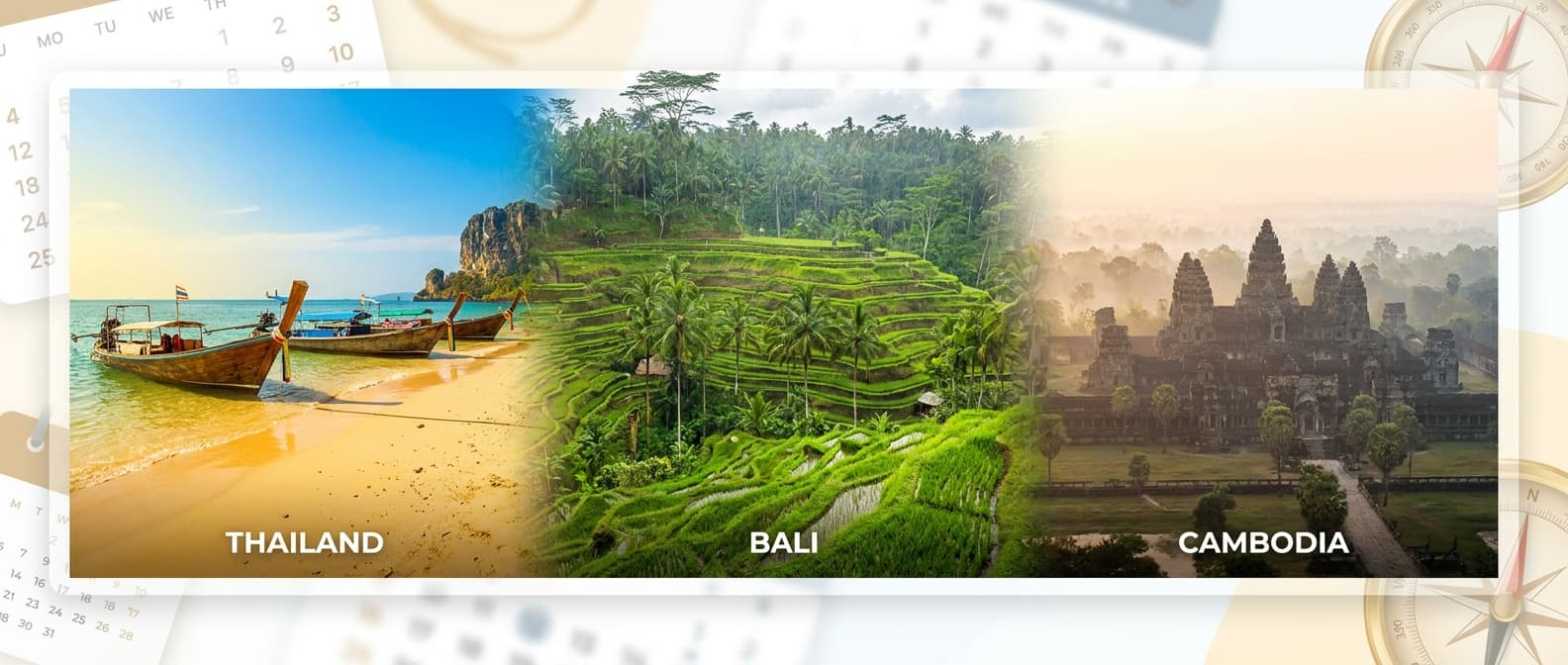
Southeast Asia, a vibrant tapestry of ancient temples, futuristic cities, sprawling jungles, and idyllic beaches, beckons travelers with its promise of adventure and discovery. But planning a trip to this vast and varied region comes with one crucial question: when is the best time to go? The answer isn't a simple date on a calendar; it's a complex interplay of monsoon seasons, regional climates, and personal travel priorities.
The best time to visit Southeast Asia is generally during the dry season, which for most of the region falls between November and March. This period offers pleasant temperatures, minimal rainfall, and clear skies, making it ideal for beach holidays and outdoor exploration. However, this is also the peak tourist season, meaning higher prices and larger crowds. For budget-conscious travelers or those seeking a more authentic experience, the shoulder seasons (April-June and September-November) present a fantastic alternative with fewer crowds and lower costs.
This comprehensive guide is designed to demystify Southeast Asia's climate patterns. We will dive deep into the distinct travel seasons, explore the pros and cons of each, and provide a detailed month-by-month breakdown. You will learn which countries shine in which months, how to navigate the rainy season like a pro, and how major festivals can shape your itinerary. By the end, you'll be equipped with the knowledge to choose the absolute perfect time for your unforgettable journey through this enchanting corner of the world.
What Are the Main Travel Seasons in Southeast Asia?
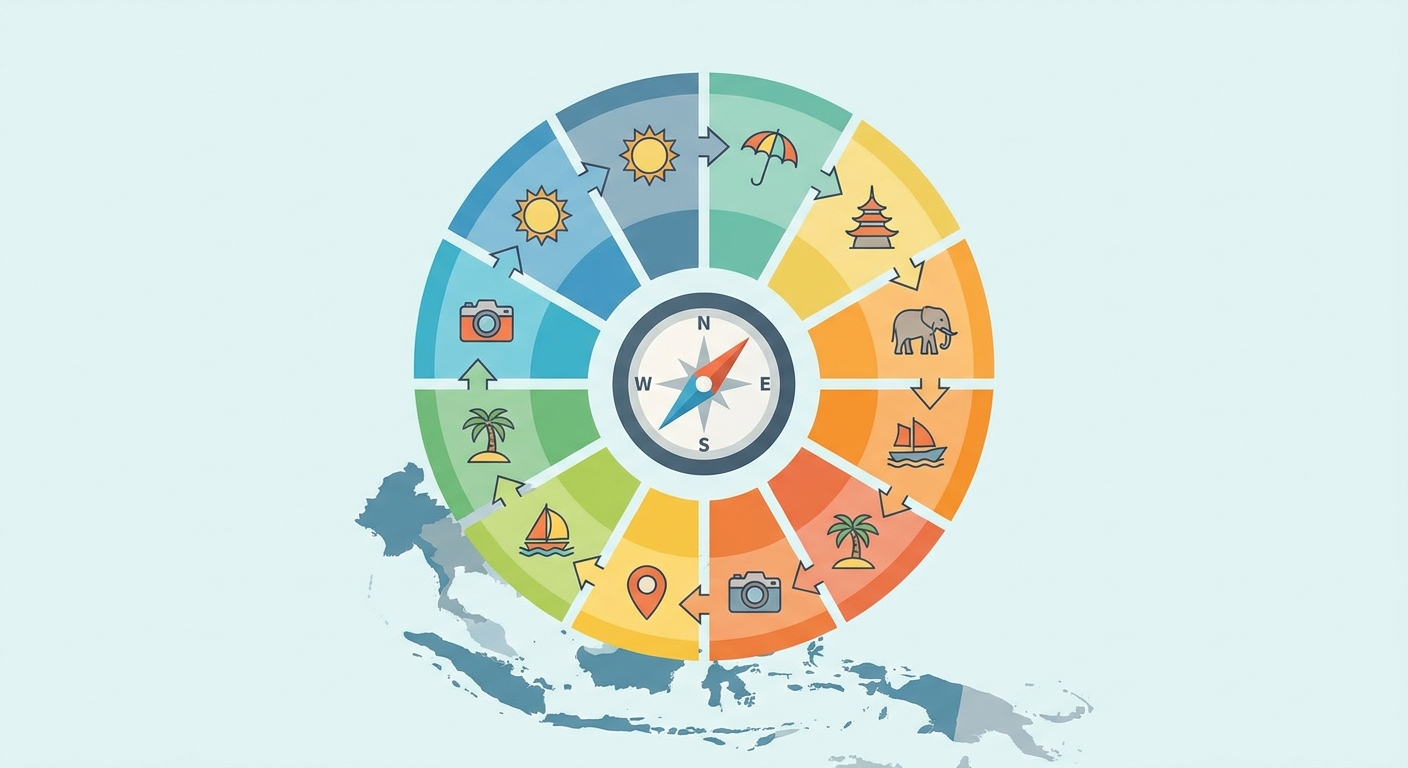
The best time to visit Southeast Asia largely depends on understanding its three distinct seasons: the dry season, the wet (or monsoon) season, and the transitional shoulder seasons. Each offers a unique travel experience with its own set of advantages and disadvantages regarding weather, cost, and crowds. Choosing the right one depends entirely on your travel style and priorities.
The region's climate is primarily governed by monsoons, which are seasonal wind patterns that bring predictable periods of rain or dry weather. However, it's crucial to remember that Southeast Asia is not a single climatic entity. A monsoon affecting Thailand's west coast might be completely different from the weather patterns in Bali or Northern Vietnam. Generally, the Northeast Monsoon brings dry, cooler air from November to March, while the Southwest Monsoon ushers in warmer, humid, and rainy conditions from May to October. Understanding this fundamental rhythm is the first step to planning your trip.
Let's break down what each season means for a traveler. The Dry Season is often considered the 'best' time to visit. It's characterized by lower humidity, plenty of sunshine, and comfortable temperatures, making it perfect for sightseeing, trekking, and beach activities. The downside? It's the most popular time, leading to peak-season pricing on flights and accommodation and significant crowds at major attractions. In contrast, the Wet Season sees frequent, often heavy, rainfall. While this can disrupt travel plans, it also brings lush, vibrant landscapes, spectacular waterfalls, and far fewer tourists. It's the most affordable time to travel, and the rain often comes in predictable, short bursts rather than all-day downpours. Finally, the Shoulder Seasons are the sweet spot for many, offering a balance of decent weather, manageable crowd levels, and more reasonable prices.
To illustrate, consider a trip to Cambodia to see Angkor Wat. Visiting in January (dry season) means perfect, sunny weather for exploring the temples, but you'll be sharing the sunrise with thousands of others. Visiting in August (wet season) means you might get caught in an afternoon shower, but the temple moats will be full, the surrounding jungle will be a brilliant green, and you'll have more space to yourself. Visiting in November (shoulder season) could give you the best of both worlds: the rains are subsiding, the landscape is still lush, and the peak season crowds have yet to arrive. Your choice depends on whether you prioritize perfect weather, lower costs, or fewer people.
| Season | Typical Months | Pros | Cons |
|---|---|---|---|
| Dry Season (Peak) | November - March | Pleasant weather, low humidity, lots of sunshine. Ideal for beach and outdoor activities. | High prices, large crowds, accommodation books up fast. |
| Hot Season (Shoulder) | March - May | Fewer crowds than peak season, very hot weather, good for water-based activities. | Can be uncomfortably hot and humid, start of rains in some areas. |
| Wet Season (Low) | June - October | Lowest prices, fewest tourists, lush green landscapes, dramatic skies. | High humidity, frequent rain can disrupt travel, some islands or parks may close. |
When Is the Peak Dry Season and Which Countries Are Best to Visit?
The peak dry season, typically running from November to March, is widely regarded as the most idyllic time to travel through much of Southeast Asia. During these months, the northeast monsoon brings cooler, less humid air, resulting in sun-drenched days and comfortable evenings. This predictable, pleasant weather makes it the perfect window for almost any activity, from exploring ancient ruins to lounging on world-class beaches.
This period is the high season for a reason. Countries like Thailand, Cambodia, Laos, Vietnam (south and central), Myanmar, and the Philippines experience their best weather. In Thailand, both the Andaman Sea (Phuket, Krabi) and Gulf Coast (Koh Samui, but with some lingering rain in November/December) are spectacular. It's the prime time for island hopping, scuba diving in crystal-clear waters, and enjoying outdoor markets without the oppressive heat or sudden downpours of other seasons. Similarly, exploring the vast temple complex of Angkor Wat in Cambodia or cruising the Mekong River in Laos is far more comfortable when humidity is low and the sun is shining.
However, this postcard-perfect weather comes at a price. The dry season is unequivocally the most expensive and crowded time to visit. Flights and hotels often need to be booked months in advance, especially around the Christmas and New Year holidays, and prices can be double or even triple what you might pay in the low season. Popular sites, such as Maya Bay in Thailand or the Kuang Si Falls in Laos, can feel overrun with tourists, which can detract from the experience for those seeking tranquility. You'll need to be prepared for queues and share your beautiful vistas with many other travelers.
For example, imagine planning a trip to the Philippines in February. You can expect flawless weather for diving in Palawan and exploring the stunning lagoons of El Nido. Your photos will be spectacular, with deep blue skies and turquoise water. The trade-off is that you'll be paying a premium for your beachfront bungalow, and the boat tours will be fully booked. In contrast, a traveler visiting in August might face daily rain showers but could secure the same bungalow for half the price and enjoy the lagoons with only a handful of other boats. The dry season is perfect for those who prioritize guaranteed good weather and don't mind the associated costs and crowds.
What Should You Expect During the Hot Season?
The hot season, generally spanning from March to May, acts as a fiery transition between the pleasant dry season and the full-blown monsoon. This period is defined by soaring temperatures and rising humidity across mainland Southeast Asia, often reaching highs of 40°C (104°F) or more. For travelers, this means intense, often draining heat that can make midday sightseeing a significant challenge.
During these months, countries like Thailand, Cambodia, Laos, and Myanmar experience their peak temperatures. Cities like Bangkok, Phnom Penh, and Mandalay can feel like ovens, with the heat radiating off the pavement. Outdoor activities, such as exploring temple complexes or trekking, should be planned for the very early morning or late afternoon to avoid the worst of the sun's rays. This is a time to embrace air-conditioning, seek out hotel pools, and stay hydrated constantly. The heat builds progressively until the first monsoon rains arrive, which can start as early as late April or May, offering some relief but also bringing intense, short-lived storms.
Despite the challenging climate, traveling during the hot season has its unique advantages. It's a shoulder period between the peak and low seasons, so you'll find fewer crowds than in December or January. This can lead to better deals on accommodation and a more relaxed atmosphere at popular tourist sites. Furthermore, this season hosts some of the region's most vibrant festivals. The most famous is Songkran, the Thai New Year, which takes place in mid-April. It's celebrated with a nationwide water fight, a joyous and welcome tradition that provides a fun way to cool off from the extreme heat. Similar water festivals occur in Cambodia (Chaul Chnam Thmey) and Laos (Pi Mai Lao).
A real-world scenario would be a traveler visiting Chiang Mai, Thailand, in April. Their days would start early, perhaps with a 7 AM visit to a temple on Doi Suthep mountain to catch the cooler morning air. By 11 AM, the heat would become intense, making it the perfect time for an indoor activity like a Thai cooking class or a long, leisurely lunch in an air-conditioned cafe. The afternoon might be spent by the hotel pool before venturing out again around 5 PM for the evening street food markets. If their visit coincides with Songkran, their entire day could be spent joyfully splashing and being splashed with water, turning the oppressive heat into an integral part of a massive, unforgettable celebration. This season is best for heat-tolerant travelers who want to experience unique cultural events and avoid the biggest crowds.
How Can You Navigate the Rainy Season in Southeast Asia?
The rainy season, often called the green season or monsoon season, typically runs from June to October in most of mainland Southeast Asia. It carries a reputation for torrential downpours and travel disruptions, but for the savvy traveler, it can be a surprisingly rewarding time to visit. The key is to understand the nature of the rain and plan your itinerary strategically.
First, it's important to dispel the myth of non-stop rain. In many destinations, the monsoon doesn't mean gray, drizzly skies all day. More commonly, it involves a predictable pattern of bright, sunny mornings followed by a short, intense, and dramatic downpour in the late afternoon. These storms are powerful but often last for only an hour or two, after which the sun may reappear. This pattern allows for plenty of sightseeing in the mornings, with the afternoon rain providing a perfect excuse for a nap, a massage, or a visit to an indoor attraction like a museum. The rain washes the dust from the air, cools the temperatures, and transforms the landscape into a stunningly vibrant and lush green.
The biggest advantages of traveling during the wet season are the significantly lower costs and the absence of crowds. Flights and luxury accommodations can be a fraction of their peak season price, making it the best time for budget travelers to experience high-end properties. Popular sites like Angkor Wat or the temples of Bagan are blissfully quiet, allowing for a more intimate and personal experience. Furthermore, the season brings natural attractions to life. Waterfalls like the Kuang Si Falls in Laos are at their most powerful and spectacular, and rice paddies across Vietnam and Bali are at their most photogenic, displaying a brilliant emerald hue.
However, there are challenges. In some areas, particularly on coastlines exposed to the southwest monsoon like Thailand's Andaman coast (Phuket, Krabi), the weather can be more persistent, with rough seas making boat travel unsafe and some islands closing down entirely. Trekking paths can become muddy and treacherous, and the risk of flooding in low-lying areas is real. The strategy is to choose your location wisely. For instance, while the Andaman coast is wet, Thailand's Gulf coast (Koh Samui, Koh Phangan) experiences its best weather from June to August. Similarly, Indonesia, particularly Bali and the surrounding islands, has its dry season during these months, making it an excellent rainy-season escape from the rest of SEA. A smart traveler in July would skip Phuket and instead head to Koh Samui for sunshine or to Ubud in Bali for perfect weather amidst verdant rice fields.
Why Is the Shoulder Season Often the Best Time to Travel?
The shoulder season, encompassing the transitional months between the major wet and dry seasons, is often the secret sweet spot for visiting Southeast Asia. These periods, typically April to June and again from September to November, offer a compelling blend of benefits that can outweigh both the flawless-but-crowded peak season and the cheap-but-wet low season. It's the ideal time for travelers who value balance and flexibility.
The primary appeal of the shoulder season is the compromise it offers on weather, crowds, and cost. In the April-to-June window, you're catching the tail end of the dry weather before the monsoon fully sets in. The weather is hot, but the heavy rains are usually not yet a daily occurrence. In the September-to-November period, the opposite is true: the monsoons are tapering off, the landscapes are incredibly lush and green from the months of rain, and the sunshine is returning. In both cases, you avoid the extreme tourist density of the peak season, meaning more spontaneous travel is possible and you won't be jostling for space at every viewpoint.
This reduction in crowds translates directly into better value. Airlines and hotels, eager to fill rooms after the peak rush or before the next one begins, often offer attractive deals. You can find significant discounts on everything from boutique hotels to five-star resorts, allowing your travel budget to stretch much further. This makes it an excellent time for flashpackers or mid-range travelers who want a touch of luxury without the peak-season price tag. The overall atmosphere is more relaxed, and interactions with locals can feel more genuine when they aren't overwhelmed by the sheer volume of visitors.
For a practical example, consider a trip to Northern Vietnam, including Hanoi and Sapa, in late October. The monsoon rains have largely passed, washing away the summer haze and leaving the air crisp and clear. The famous rice terraces of Sapa, having just been harvested, display a beautiful golden-brown hue, and the weather is perfect for trekking - not too hot during the day and pleasantly cool at night. While you might encounter an occasional shower, it's a far cry from the daily downpours of August. You'll find that accommodation in Sapa is readily available and more affordable than in December, and the streets of Hanoi's Old Quarter are bustling but not uncomfortably packed. You get the benefit of the post-rainy season's beauty without the peak-season crowds, making it a perfect compromise.
What Is the Cheapest Time to Visit Southeast Asia?
The cheapest time to visit Southeast Asia is unequivocally during the low season, which corresponds with the wet or monsoon season, generally from June to October for most of the region. During this period, the influx of tourists drops significantly due to the perception of unfavorable weather, creating a classic supply-and-demand scenario that works heavily in the traveler's favor. This is the prime window for backpackers, budget-conscious travelers, and anyone looking to make their money go further.
The most substantial savings are found in flights and accommodation. Airlines often release promotional fares to fill seats, and it's not uncommon to find international flights for 30-50% less than their peak season counterparts. Once on the ground, the savings continue. Hotels and guesthouses, facing low occupancy rates, slash their prices dramatically. A luxury hotel room that would be prohibitively expensive in January might become an affordable splurge in July. Furthermore, you'll have more bargaining power in markets and when booking local tours, as vendors are more eager for business. Even activities and entrance fees can sometimes be lower.
Beyond the monetary benefits, traveling during the low season offers a different, arguably more authentic, experience. With fewer tourists around, you can connect more deeply with the local culture. You'll find yourself sharing a temple with monks instead of tour groups or being the only foreigner in a local restaurant. The pace of life slows down, and the experience feels less commercialized. The landscapes, fed by the daily rains, are at their most vibrant and lush. This is when the rice paddies are a dazzling green and the jungles are teeming with life, offering incredible photographic opportunities for those willing to brave a shower.
Let's compare two scenarios. A traveler planning a two-week trip to Cambodia and Laos in January (peak season) might budget $2,500. They would pay top dollar for their guesthouse near Angkor Wat and find that popular restaurants and tours are fully booked. Another traveler planning the exact same itinerary in September (low season) could potentially do it for $1,500. They might find a deal on a boutique hotel with a pool, enjoy a less crowded sunrise at Angkor Wat, and find that their budget stretches to include more activities, like a cooking class or extra spa treatments. While they would need to be prepared for afternoon downpours, the financial savings and more relaxed atmosphere would be a significant trade-off.
A Month-by-Month Breakdown: What to Expect from January to June?
Planning a trip to Southeast Asia requires a granular look at the calendar, as the 'best' place to be can change dramatically from one month to the next. The first half of the year sees the region transition from the cool, dry peak season to the sweltering hot season and the onset of the monsoon. Here's a detailed guide to help you navigate this dynamic period.
January & February: The Prime Time
This is the heart of the dry season and arguably the best all-around time for travel in mainland Southeast Asia. Thailand, Cambodia, Laos, Myanmar, and Vietnam (especially the south) are at their peak, with blue skies, low humidity, and comfortable temperatures. It's perfect for beach holidays on Thailand's Andaman coast, exploring the temples of Bagan in Myanmar, or cycling through the Mekong Delta in Vietnam. The downside is that this is also peak tourist season, so expect crowds and high prices. In Maritime Southeast Asia, Malaysia's west coast (Langkawi, Penang) is excellent, while Indonesia and the Philippines are also enjoying fantastic dry weather.
March & April: The Heat Arrives
The heat begins to build across the mainland. Temperatures in Thailand, Cambodia, and Laos can become intensely hot, often exceeding 35°C (95°F). While the weather is still predominantly dry, the heat can be draining for sightseeing. However, this is a great time for water-based activities. April is famous for its New Year water festivals, like Songkran in Thailand and Pi Mai in Laos, which are incredible cultural experiences. For cooler temperatures, head to the mountains of Northern Vietnam or the Cameron Highlands in Malaysia. The Philippines remains a great option, though it's also getting hotter. This is a shoulder period with thinning crowds before the rains.
May: The Turning Point
May is a month of transition. The heat and humidity are at their peak across much of the mainland, and the southwest monsoon begins to make its presence felt with the first major rainfalls. This can be an unpredictable month; you might get a week of sunshine or a week of daily downpours. It's officially the low season in many places, meaning prices drop. If you don't mind the heat and the risk of rain, it can be a good value month. In contrast, this is an excellent time to visit Indonesia (Bali, Lombok, Komodo), which is just entering its dry season. Similarly, the central coast of Vietnam (Hoi An, Da Nang) enters its best weather period, shielded from the southern monsoon.
June: The Green Season Begins
The monsoon is now established across most of Thailand, Cambodia, Laos, and Vietnam. This means daily afternoon downpours are the norm. However, as mentioned, this isn't necessarily a bad thing. The landscapes turn a vibrant green, waterfalls are powerful, and tourist numbers are low. It's a fantastic time for budget travelers. The key is to choose your location wisely. Avoid Thailand's Andaman coast (Phuket), which gets heavy rain. Instead, head to the Gulf Coast (Koh Samui, Koh Tao), which has its own microclimate and enjoys relatively dry, sunny weather in June. Malaysia's east coast (Perhentian, Tioman islands) and Indonesia are also in their prime dry season, offering perfect beach escapes.
A Month-by-Month Breakdown: What to Expect from July to December?
The second half of the year in Southeast Asia is dominated by the monsoon season, which gradually gives way to the return of the cool, dry weather. This period offers incredible value and lush landscapes for those who plan carefully, culminating in the festive and busy peak season. Here's your guide for navigating July through December.
July & August: Deep in the Monsoon
These months represent the peak of the rainy season for most of mainland Southeast Asia. Expect high humidity and daily, often heavy, afternoon showers in Thailand, Cambodia, Laos, and Northern Vietnam. Trekking can be muddy, and some rural roads may become impassable. However, the rice terraces are at their most spectacular green, and major sites are wonderfully uncrowded. The strategic traveler will focus on regions with different weather patterns. This is the absolute best time to visit Indonesia, with Bali, the Gili Islands, and Komodo National Park enjoying perfect dry, sunny weather. It's also prime time for Malaysia's east coast islands and Central Vietnam (Hoi An, Da Nang), which remain dry and sunny.
September & October: The Rains Recede
September is often the wettest month of the year in places like Thailand and Cambodia, and it's also the height of the typhoon season in the Philippines and coastal Vietnam, so caution is advised. However, by October, the rains begin to subside across the mainland. The frequency and intensity of downpours decrease, and the sun starts to reappear for longer stretches. This is a fantastic shoulder season month. The landscape is still incredibly lush from the rain, but the weather is improving daily. Prices are still at low-season levels, but the travel experience is becoming much easier. It's a great time for photographers and those seeking a balance of good value and decent weather. Trekking in Northern Thailand and Laos becomes pleasant again towards the end of October.
November: The Return of the Good Weather
November is arguably one of the best months to visit Southeast Asia. The monsoon has officially ended in most of the region, leaving behind clean air, green landscapes, and comfortable, sunny weather. The peak season crowds have not yet arrived, creating a perfect window for travel. Thailand, Vietnam, Cambodia, Laos, and Myanmar are all entering their prime. It's an ideal time for almost any activity. The only places to be cautious are Thailand's Gulf Coast (Koh Samui), which experiences its own mini-monsoon this month, and parts of Malaysia's east coast as their rainy season begins. It's a month that offers peak-season weather with shoulder-season prices and crowds.
December: Peak Season in Full Swing
December brings idyllic weather to the vast majority of Southeast Asia. From the beaches of the Philippines to the mountains of Northern Thailand, you can expect endless sunshine, low humidity, and perfect temperatures. This marks the beginning of the absolute peak tourist season. The Christmas and New Year period is the busiest and most expensive time of the entire year. You must book flights and accommodation far in advance. While the weather is flawless, be prepared for packed beaches, crowded temples, and a bustling, festive atmosphere. It's a fantastic time to be in the region if you thrive on energy and don't mind the splurge.
How Do Major Festivals and Holidays Impact Travel Plans?
Timing your visit to coincide with a major festival can transform a great trip into an unforgettable one, offering a vibrant immersion into local culture, traditions, and celebrations. However, these events also significantly impact travel logistics, from accommodation availability to transportation schedules. Understanding this dynamic is crucial for smooth and enjoyable travel planning.
Festivals are a cornerstone of life in Southeast Asia, marking religious holidays, seasonal changes, and historical events. Some of the largest and most famous events attract not only international tourists but also huge numbers of domestic travelers. For example, Songkran in Thailand (mid-April), the world's biggest water fight, sees a mass exodus from Bangkok as city dwellers return to their provincial homes. This means buses, trains, and flights are often sold out weeks or even months in advance. Accommodation in popular festival hubs like Chiang Mai can double in price and must be booked far ahead. While the experience is exhilarating, arriving without reservations during such a peak period can be a logistical nightmare.
Similarly, holidays like Tết (Vietnamese New Year, typically late January or early February) and Chinese New Year (celebrated in Singapore, Malaysia, and Vietnam) are profound cultural experiences but challenging for travelers. Tết is a family-centric holiday in Vietnam, and for about a week, much of the country effectively shuts down. Many shops, restaurants, and tour agencies will be closed, and transportation becomes scarce and expensive. While it can be a beautiful time to witness local traditions, it requires careful planning to ensure you have a place to stay and can find food and transport. For a traveler unaware of the holiday's scale, it could lead to significant frustration.
On the other hand, planning around a festival can be incredibly rewarding. Witnessing the Yi Peng Lantern Festival in Chiang Mai (usually in November), where thousands of paper lanterns are released into the night sky, is a truly magical and moving experience. Attending the vibrant and colorful Thaipusam festival in Malaysia, with its incredible displays of devotion, provides a deep insight into the local Hindu community. The key is to do your research. Identify which festivals align with your travel dates, understand their significance, and then plan accordingly. Book your transport and accommodation well in advance, embrace the crowds and the energy, and be respectful of the local customs and traditions you are privileged to witness. This proactive approach allows you to fully enjoy the spectacle without the stress of last-minute logistical hurdles.
What Are the Regional Weather Differences You Must Know?
One of the biggest mistakes travelers make is treating Southeast Asia as a single climatic zone. The reality is a complex mosaic of weather patterns, primarily divided between Mainland Southeast Asia and Maritime Southeast Asia. Understanding this fundamental difference is the key to finding good weather somewhere in the region at any time of the year.
Mainland Southeast Asia, which includes Thailand, Cambodia, Laos, Vietnam, and Myanmar, generally follows a more predictable monsoon cycle. The climate is largely driven by the Southwest Monsoon (bringing rain from roughly May to October) and the Northeast Monsoon (bringing cool, dry air from November to March). This creates a distinct high season (Nov-Mar) and low season (May-Oct) that is relatively consistent across these countries. However, even within this mainland block, there are crucial exceptions. Vietnam, due to its long, S-shaped geography, has three distinct climate zones. While the south is sweltering, the mountainous north can be cold and even see frost in the winter months. Similarly, Thailand's coastline is split: when the Andaman coast (Phuket) is being drenched by the monsoon from May to October, the Gulf coast (Koh Samui) is enjoying its sunniest weather.
Maritime Southeast Asia - encompassing Indonesia, the Philippines, Malaysia, Singapore, and Brunei - is far more complex. Its weather is dictated by its proximity to the equator and the fact that it's an archipelago of thousands of islands. Indonesia is a prime example of this divergence. As it straddles the equator, its seasons are effectively the reverse of the mainland. While Thailand is in its rainy season from June to September, Bali, Lombok, and the Komodo Islands are experiencing their peak dry season, making them a perfect rainy season getaway. Malaysia is split by the South China Sea; the west coast (Penang, Langkawi) has its best weather from December to March, while the east coast (Perhentian Islands) is best from June to August, completely opposite to its western counterpart.
The Philippines presents another layer of complexity with its typhoon season. While it shares a general wet and dry season pattern, it is located in the Pacific's typhoon belt, with the peak storm season running from July to October. A visit during this time requires flexibility and close monitoring of weather reports, as a powerful storm can cause widespread travel cancellations. Singapore, being almost directly on the equator, doesn't have distinct wet and dry seasons but rather two monsoon periods with rain possible year-round, though it's typically heavier from November to January. Failing to research these regional nuances can lead to disappointment. A traveler assuming all of Southeast Asia is perfect in December might book a trip to Koh Samui only to be met with daily downpours, while a short flight away in Phuket, the weather would be flawless.
Conclusion
Choosing the best time to visit Southeast Asia is less about finding a single perfect month and more about aligning your travel priorities with the region's diverse and dynamic seasons. There is no one-size-fits-all answer. The ideal time for a sun-seeking beach lover is entirely different from that of a budget-conscious backpacker or a culture-focused festival chaser. The key takeaway is that with strategic planning, you can have an incredible experience in Southeast Asia any month of the year.
If your priority is guaranteed sunshine, minimal rain, and comfortable temperatures for exploring, the peak dry season from November to March is your undisputed champion. This period offers postcard-perfect weather across Thailand, Cambodia, Laos, Vietnam, and the Philippines, but you must be prepared for higher prices and significant crowds. For those who value a balance of good weather, fewer tourists, and better prices, the shoulder months of October/November and April/May offer a fantastic compromise, providing the best of both worlds. The landscape is often at its most beautiful, and the atmosphere is more relaxed.
Conversely, don't be too quick to dismiss the rainy season. From June to September, the 'green season' brings lush landscapes, dramatic waterfalls, and the lowest prices of the year. By understanding that the rain often comes in short, predictable bursts and by choosing your destinations wisely - such as visiting Indonesia or Thailand's Gulf Coast, which experience their dry seasons during this time - you can enjoy a wonderfully crowd-free and affordable adventure. Ultimately, the best time to visit is a personal decision. Use this guide to weigh your options: Do you prefer perfect weather at a premium, or are you willing to embrace a few rain showers for a more solitary and budget-friendly journey? Once you answer that, your perfect Southeast Asian adventure awaits.
Frequently Asked Questions
Traveling during the typhoon season (generally July to October) is possible but requires caution and flexibility. The primary regions affected are the Philippines and the coastal areas of Vietnam and Taiwan. While a direct hit from a major typhoon is statistically unlikely for any specific location, tropical storms can bring heavy rain and strong winds, leading to flight cancellations, ferry disruptions, and flooding. It's crucial to monitor weather forecasts closely, have travel insurance that covers weather-related events, and maintain a flexible itinerary. If a storm is approaching, follow all local advice and be prepared for delays. For most other parts of Southeast Asia, like Thailand, Indonesia, and Malaysia, typhoons are not a significant concern.
The best month to visit both Thailand and Vietnam for consistently good weather is February or March. During this period, both countries are well into their dry seasons. In Thailand, you'll experience sunny skies and pleasant temperatures ideal for both the northern mountains of Chiang Mai and the southern beaches of Phuket and Krabi. In Vietnam, the south (Ho Chi Minh City) and central regions (Hoi An) are dry and warm, while the north (Hanoi, Ha Long Bay) is emerging from its cooler winter into a pleasant spring. This window avoids the intense heat of April and the widespread rains of the monsoon season, offering the most reliable and comfortable travel conditions across these two diverse countries.
Traveling during the peak season (typically November to March, especially around Christmas and New Year) can be significantly more expensive. On average, you can expect to pay 30-50% more for flights and accommodation compared to the low season (June to September). In highly popular tourist destinations like Phuket, Bali, or Palawan, luxury hotel prices can easily double or even triple during the absolute peak holiday weeks. Pre-booking is essential as the best-value options sell out months in advance. To save money, consider traveling during the shoulder seasons (April-May, Oct-Nov), where you can often find a good balance between pleasant weather and more reasonable prices.
Yes, you can absolutely go scuba diving during the rainy season, but location is everything. The key is to visit a region where the monsoon's impact is minimal or one that has a different weather pattern. For example, when the Andaman coast of Thailand (Similan Islands, Phuket) is closed or has poor visibility from May to October, the Gulf of Thailand (Koh Tao, Koh Samui) has excellent diving conditions. Similarly, Indonesia's prime diving season in places like Komodo and the Gili Islands runs from April to September, coinciding with the rainy season elsewhere. While rain itself doesn't stop diving, associated winds and storms can create rough seas and poor visibility, so always choose a reputable dive operator who prioritizes safety.
No single country in Southeast Asia has perfect weather year-round, as the entire region is subject to monsoonal climates. However, Malaysia and Indonesia come close to offering year-round travel options due to their differing regional weather patterns. In Malaysia, when the west coast (Penang, Langkawi) is in its rainy season, the east coast (Perhentian Islands) is dry, and vice versa. Similarly, Indonesia is a massive archipelago where you can almost always find a dry, sunny island to visit. Singapore, being on the equator, has a relatively stable, hot, and humid climate year-round, with rain possible at any time, making it a consistent, if not always dry, destination.