What is 12Go Asia? The Ultimate 2026 Guide to How it Works
Planning a trip through the vibrant, sprawling landscapes of Asia can be an exhilarating experience. From the bustling streets of Bangkok to the serene waters of Ha Long Bay, the continent offers a kaleidoscope of adventures. Yet, navigating the complex web of local transportation - a mix of trains, buses, ferries, and flights - can often feel overwhelming. This is where a specialized online travel agency (OTA) becomes an indispensable tool for the modern traveler. If you've started researching your journey, you've likely encountered the name 12Go Asia, a platform promising to simplify this very challenge.
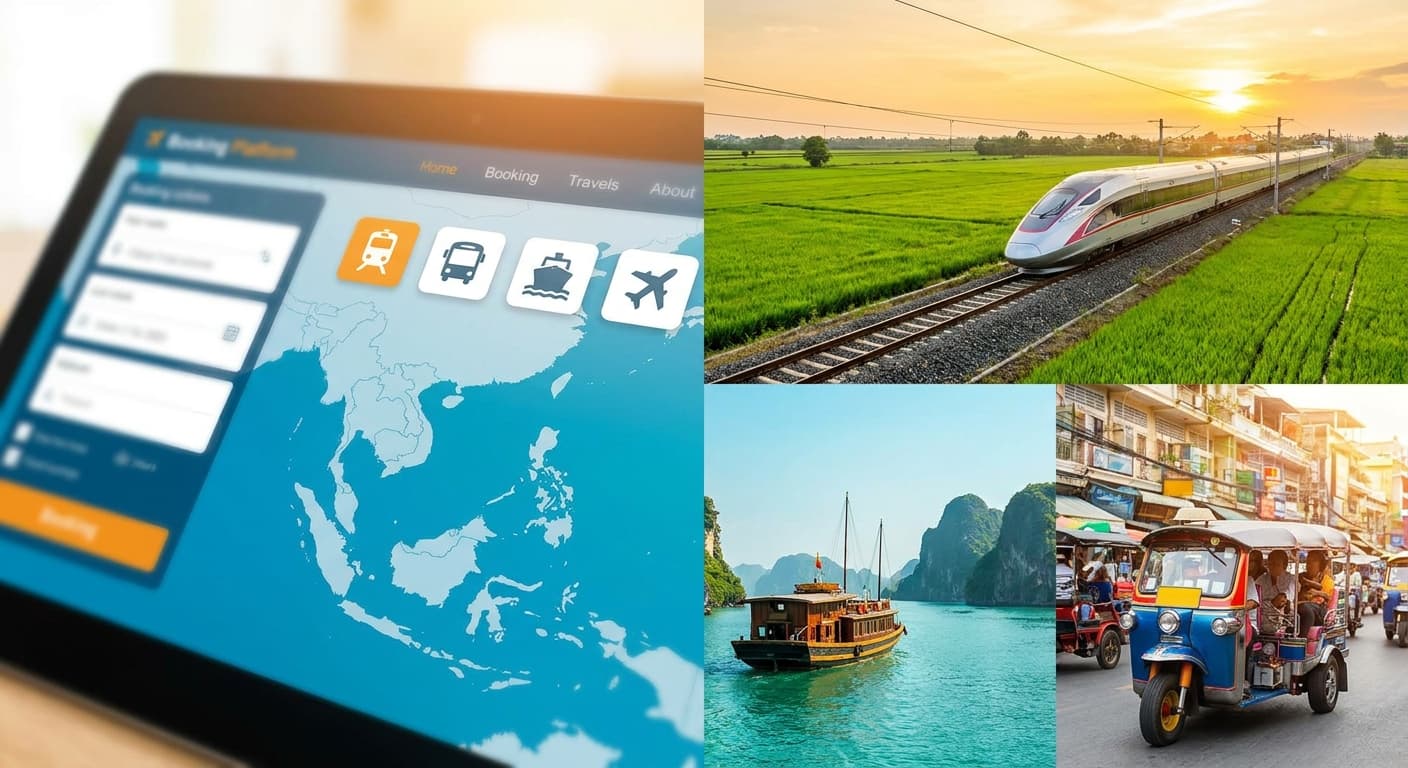
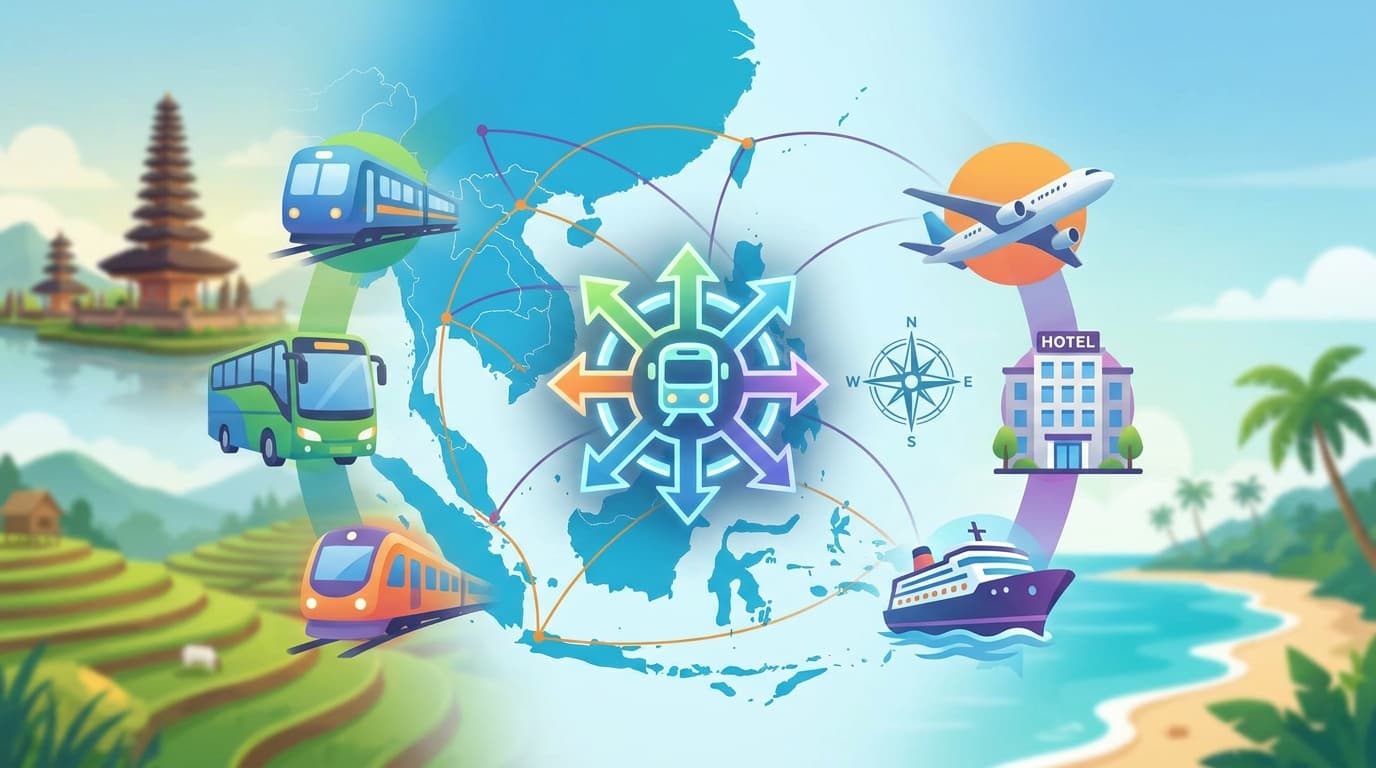
So, what exactly is 12Go Asia? In short, 12Go Asia is a comprehensive online booking platform that allows travelers to search, compare, and book tickets for various modes of transportation across Asia and beyond. It acts as a central hub, connecting you with hundreds of local transport operators, making it possible to plan a multi-leg journey from a single website or app. Think of it as a digital travel agent specializing in the ground and sea-level logistics of getting from point A to point B in regions where information isn't always readily available in English or easily bookable online.
This in-depth guide will unpack everything you need to know about this powerful travel tool. We will explore precisely how it works, the vast network of countries and transport types it covers, and how it stacks up against alternatives. You will learn about its booking process, payment systems, cancellation policies, and whether it's a trustworthy service for your next adventure. By the end, you'll be equipped with the knowledge to decide if 12Go Asia is the right partner for your travel planning and how to use it to its full potential.
What Exactly is 12Go Asia?
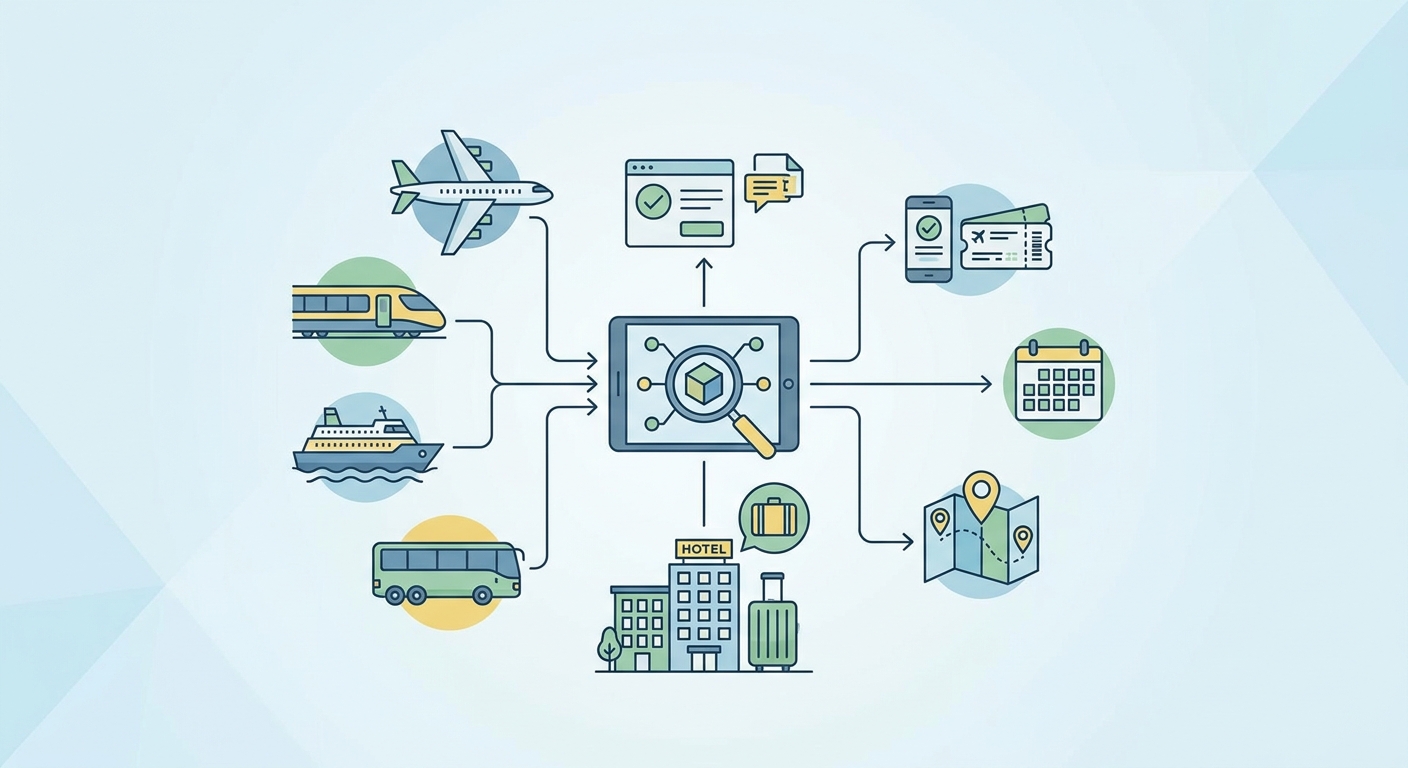
12Go Asia is an online travel agency (OTA) that specializes in booking ground and sea transportation, primarily across Southeast Asia, but with an expanding global presence. It functions as an aggregator and a one-stop-shop, consolidating thousands of routes from hundreds of local and regional transport operators into a single, user-friendly search engine. This allows travelers to seamlessly book everything from sleeper trains and VIP buses to high-speed ferries and private transfers.
Founded in 2013 in Bangkok, Thailand, the company was born from a clear need. The founders recognized the immense difficulty travelers faced when trying to coordinate travel within Southeast Asia. Booking a bus in Cambodia, a train in Thailand, and a ferry in the Philippines often required visiting separate, often confusing local websites (if they existed at all), calling ticket offices, or physically going to the station days in advance. 12Go Asia was created to bridge this gap, providing a reliable, English-language platform with transparent pricing and real-time availability. Its core mission is to make regional travel accessible and stress-free for a global audience.
The platform's business model is straightforward. It establishes direct partnerships with local transportation companies. When you search for a route, 12Go Asia queries the inventories of these partners and presents the available options. For this service, it charges a small booking fee or commission, which is typically included in the final price you see. This fee covers the cost of running the platform, providing multilingual customer support, and handling the payment processing, which is often a significant hurdle when trying to book directly with smaller, local operators who may not accept international credit cards.
A key aspect that differentiates 12Go Asia is its focus on multi-modal transportation. It doesn't just show you buses or trains in isolation. Its powerful search algorithm can piece together complex journeys. For example, if you want to get from Chiang Mai in northern Thailand to the island of Koh Phi Phi in the south, the platform can build an itinerary that includes a flight to Krabi, a bus from the airport to the pier, and a ferry to the island, all bookable in a single transaction. This integrated approach is what makes it a powerful logistical tool, saving travelers hours of research and coordination.

How Does the 12Go Asia Booking Process Actually Work?
The 12Go Asia booking process is designed to be intuitive and straightforward, guiding users from route discovery to ticket confirmation in just a few steps. It works by integrating directly with the inventory systems of its partner operators, allowing you to see real-time availability and pricing. This eliminates the guesswork and uncertainty often associated with booking travel in less digitally-connected regions.
Let's walk through a typical booking scenario. Imagine you want to book a sleeper train from Bangkok to Chiang Mai, a classic Thai travel route. The process would look like this:
- Search Your Route: You begin on the 12Go Asia homepage. You enter your origin (Bangkok), destination (Chiang Mai), travel date, and the number of passengers. The platform's search engine is smart and will suggest locations as you type.
- Compare Your Options: After you click search, the platform presents a comprehensive list of all available options for that day. This isn't just limited to trains. You'll see trains, buses, and even flights, all on one page. You can filter these results by transport type, departure time, price, or duration. For the train, you'll see different classes listed, such as 2nd Class Sleeper (AC) or 1st Class Sleeper, each with its own price and details.
- Select and Review Details: You click on your preferred train option. A new screen appears with crucial details: the departure and arrival stations (e.g., Hua Lamphong vs. Krung Thep Aphiwat Central), the train number, amenities (like air conditioning or toilets), and, most importantly, user reviews and photos. This user-generated content is invaluable for setting expectations about the cleanliness and comfort of a specific service.
- Enter Passenger Information: Once you're satisfied, you proceed to the next step, where you enter the full names of all passengers exactly as they appear on their passports. This is a critical step, as mismatched names can cause issues with ticket validation, especially for flights or border crossings.
- Choose Your Seat (If Applicable): For some services, particularly trains and certain VIP buses, you may be given the option to select your seat preference, such as a lower bunk (generally more desirable) or an upper bunk on a sleeper train, or a window versus an aisle seat on a bus.
- Payment and Confirmation: Finally, you proceed to the payment page. 12Go Asia accepts a wide range of international payment methods, including credit cards (Visa, MasterCard), PayPal, and other regional payment gateways. After your payment is successfully processed, you will receive a booking confirmation email. This email is not your ticket, but rather a voucher and proof of your reservation.
The final step - receiving your actual ticket - varies by operator and route. This is a crucial distinction to understand. For many modern operators, you will receive an e-ticket that you can simply show on your phone. For others, especially older state-run railways, you might need to print your voucher or pick up a physical ticket from a designated office near the station. 12Go Asia makes this process very clear in the confirmation email, providing detailed instructions, maps, and office hours to ensure you get your ticket without any hassle. This clear communication is a core part of how the service works to prevent travel-day stress.
Which Countries and Regions Does 12Go Asia Cover?
12Go Asia offers extensive coverage, primarily focused on Southeast Asia where it originated, but has significantly expanded its network to include other parts of Asia, Oceania, and even select regions in Europe and the Americas. The platform's strength lies in its deep integration with local operators in countries that are popular with backpackers and independent travelers, making it a go-to resource for planning overland journeys.
The core of its network is firmly planted in Southeast Asia. This is where you will find the most comprehensive set of options. The countries with the most robust coverage include:
- Thailand: As its home base, Thailand has the most exhaustive coverage. You can book virtually any form of transport, from state railway trains and long-distance buses to island ferries in the Andaman Sea and the Gulf of Thailand, and even minivans for shorter routes.
- Vietnam: Another key market, 12Go Asia is excellent for booking the famous North-to-South railway line, sleeper buses between major cities like Hanoi, Hue, and Ho Chi Minh City, and ferries to popular islands like Phu Quoc and Cat Ba.
- Cambodia: The platform simplifies travel between Phnom Penh, Siem Reap, and coastal towns like Sihanoukville, offering a wide array of bus and private taxi operators.
- Malaysia: Coverage is strong for bus routes connecting major cities like Kuala Lumpur, Penang, and Malacca, as well as routes into Singapore and Thailand. Train services and ferries to islands like Langkawi are also well-represented.
- Philippines: Given its geography, 12Go Asia is particularly useful here for booking the extensive network of inter-island ferries, alongside long-distance buses on major islands like Luzon.
- Indonesia: Travelers can book trains across Java, buses in Bali, and ferries connecting the Gili Islands, Lombok, and Bali.
Beyond this core region, 12Go Asia has made significant inroads into other parts of the continent. In South Asia, you can find options for train and bus travel in India and Sri Lanka. In East Asia, it offers services in Japan (including some Shinkansen routes), South Korea, and China. The platform has also expanded to include countries like Laos, Myanmar, and even into Oceania with services in Australia and New Zealand. This continuous expansion demonstrates the company's ambition to become a global overland travel portal.
The key takeaway for travelers is that the depth of coverage varies by country. While you can expect a multitude of choices for a route like Bangkok to Phuket, the options might be more limited for a less-traveled route in a newly added country. The platform is constantly adding new operators and routes, so it's always worth checking, even for more obscure destinations. This wide but varied geographical scope means it can serve as a primary planning tool for a multi-country Asian backpacking trip, allowing you to manage the bulk of your transportation logistics from a single, familiar interface.

What Types of Transportation Can You Book on 12Go Asia?
12Go Asia's primary value proposition is its ability to aggregate and offer a diverse range of transportation options on a single platform. This multi-modal approach sets it apart from airline-focused OTAs or websites dedicated to a single type of transport. It truly shines in its comprehensive coverage of ground and sea travel, which forms the backbone of most regional travel in Asia.
The main categories of transport available for booking are:
- Trains: This is one of the platform's strongest offerings. It covers national railways in numerous countries, including Thailand's State Railway, Vietnam Railways, and Malaysia's KTM. You can book various classes, from basic third-class seats to comfortable first-class air-conditioned sleepers, making it ideal for long, scenic overnight journeys.
- Buses: Buses are the workhorse of Asian travel, and 12Go Asia has an enormous inventory. This ranges from budget-friendly local buses to "VIP" or luxury coaches with reclining seats, onboard toilets, and included snacks. The platform allows you to compare different bus companies on the same route, checking reviews for safety and comfort.
- Ferries: For anyone planning to visit the islands of Thailand, the Philippines, or Indonesia, this is an essential feature. 12Go Asia partners with numerous ferry operators, offering everything from slow, car-carrying ferries to high-speed catamarans. This simplifies the often-chaotic process of booking island transport, especially during peak season.
- Flights: While not its primary focus, 12Go Asia also includes flights in its search results, primarily from low-cost carriers in the region like AirAsia. This is particularly useful for comparing the time and cost of flying versus taking an overnight train or bus on longer routes.
- Private Transfers and Taxis: For travelers seeking more comfort, convenience, or traveling in a group, the platform offers pre-booked private cars, SUVs, and minivans. This is a popular option for airport transfers or for routes where public transport is infrequent or inconvenient. It provides a fixed price, eliminating the need to haggle with local drivers.
- Combined Journeys: Perhaps the most innovative feature is the "Journey" or "Van+Ferry" type of ticket. 12Go Asia bundles multiple legs of a trip from different operators into a single ticket. For instance, a trip from Bangkok to Koh Samui might be sold as one package that includes a bus to the pier and the subsequent ferry to the island. This guarantees the connection and simplifies the logistics for the traveler immensely.
A real-world example highlights the power of this diversity. A traveler wants to get from Hanoi, Vietnam, to Luang Prabang, Laos. A direct search on 12Go Asia might reveal several options: a direct (but very long) sleeper bus, a flight, or a combination of a bus to the border, followed by another leg. By presenting all these choices side-by-side, with clear pricing, duration, and user reviews, the traveler can make an informed decision based on their budget, timeline, and comfort preferences. This ability to compare vastly different modes of transport for the same journey is a core function that makes 12Go Asia an incredibly effective travel planning tool.
Is 12Go Asia a Legitimate and Reliable Service?
Yes, 12Go Asia is a legitimate and widely trusted service used by millions of travelers each year. As a major player in the online travel space for over a decade, it has built a strong reputation for reliability and convenience. However, like any third-party booking platform, it's essential to understand its role as an intermediary and what that means for your booking.
The legitimacy of 12Go Asia is founded on several key pillars. First, it has established formal partnerships with hundreds of transport operators across the continent. These are not random listings; they are official integrations with bus companies, ferry lines, and state railways. This means that when you book, your reservation is being made directly in the operator's system via 12Go's API. This direct link ensures that your booking is secure and your seat is confirmed. The platform acts as a verified agent for these local companies, many of whom lack the resources to build and maintain their own international booking systems.
Second, the platform prioritizes transparency and social proof. Every route and operator listed on 12Go Asia features user-generated reviews and ratings. After completing a trip, travelers are prompted to leave feedback on their experience, covering aspects like punctuality, vehicle cleanliness, staff helpfulness, and overall value. This massive database of real-world reviews is one of its most valuable assets. It allows prospective travelers to vet a specific bus company or ferry service before booking, helping them avoid operators with poor safety records or consistently late departures. This crowdsourced quality control adds a significant layer of trust.
From a security standpoint, 12Go Asia employs standard industry practices for online payments. It uses secure, encrypted connections (SSL) to process transactions and works with reputable international payment gateways like Stripe and PayPal. This means your credit card information is handled securely, which is a significant advantage over attempting to pay on a less secure, local operator's website. Common user concerns often stem from misunderstandings about the platform's role. For example, if a bus is late or the air conditioning on a train is broken, that is the responsibility of the transport operator, not 12Go Asia. 12Go's responsibility is to ensure your booking is accurately made and that you receive the correct ticket and information. Their customer service team can assist in cases of disputes or cancellations, but they cannot control the on-the-ground service quality of the operator. Understanding this distinction is key to having a positive experience.
What Are the Key Features and Benefits of Using 12Go Asia?
Using 12Go Asia offers a host of distinct advantages over traditional booking methods, especially for international travelers navigating unfamiliar regions. The platform's features are designed to solve common travel pain points, focusing on convenience, clarity, and consolidation. The primary benefit is the sheer convenience of having a one-stop-shop for multi-modal travel planning.
One of the most significant benefits is the centralized and simplified search process. Instead of visiting a dozen different websites for bus, train, and ferry companies - many of which may not be in English or accept foreign credit cards - you can do all your research in one place. The platform standardizes the information, presenting departure times, duration, price, and operator details in a consistent format. This makes comparing a 10-hour bus journey against a 12-hour train ride incredibly easy, allowing you to quickly determine the best trade-off between cost, comfort, and time.
Another key feature is price and schedule transparency. The price you see on the search results page is typically the final price you'll pay, inclusive of taxes and the platform's booking fee. This avoids the frustration of hidden charges appearing at the last step of the checkout process. Furthermore, by showing a full day's schedule from multiple operators, you can easily spot the most convenient departure time for your itinerary, rather than being limited to the schedule of a single company you might have found through a Google search.
The platform's user review system is another standout benefit. While official company websites will always present their services in the best light, 12Go Asia's reviews offer unfiltered, real-world feedback from fellow travelers. You can learn if a particular bus company is known for reckless driving, if a "VIP" bus truly has reclining seats, or if a specific ferry route is often canceled due to bad weather. This crowdsourced intelligence is invaluable for making informed decisions and managing expectations, contributing to a safer and more pleasant journey.
Finally, the ability to book complex, multi-leg journeys in a single transaction is a game-changer. For example, getting from a city center to a remote island often requires a bus to a pier, followed by a ferry. Booking these separately carries the risk of a missed connection if the bus is late. 12Go Asia often sells these as a single "joint ticket," where the operators coordinate and the connection is guaranteed. This removes a massive logistical headache and provides peace of mind. Combined, these features transform the often-daunting task of planning overland travel in Asia into a streamlined, secure, and user-friendly experience.
How Does 12Go Asia Compare to Other Travel Booking Platforms?
While 12Go Asia is a dominant player in its niche, it operates in a competitive landscape alongside other large OTAs and the option of booking directly with transport providers. Understanding its unique strengths and weaknesses in comparison is crucial for deciding when and why to use it. Its main competitors include platforms like Klook, Agoda, and the traditional method of direct booking.
12Go Asia's primary advantage lies in its specialized focus on A-to-B transportation logistics. Platforms like Klook or Viator are more focused on tours, activities, and attractions. While Klook does offer some transport options like airport transfers and train passes (e.g., Japan Rail Pass), its inventory of inter-city buses, trains, and ferries is far less comprehensive than 12Go's. You would use Klook to book a day trip from Bangkok to Ayutthaya, but you would use 12Go Asia to book the public train or bus to get there independently. They serve different, though sometimes overlapping, travel needs.
Agoda, primarily known for accommodation bookings, has also expanded into transportation. Its strength is in bundling flights and hotels. However, its ground transportation offerings are generally not as deep or as well-integrated as 12Go's. Agoda might be a better choice if you want to book a flight and hotel package, but for complex overland routes involving multiple bus or ferry legs, 12Go's specialized search engine and operator network are superior.
The most significant alternative is, of course, booking directly with the operator. This can sometimes be slightly cheaper, as it cuts out the middleman's booking fee. However, this approach comes with several potential drawbacks. The operator's website may not be available in English, it might not accept international credit cards, or it may be poorly designed and difficult to navigate. Furthermore, you lose the ability to easily compare different companies and transport types. Booking direct is a viable option if you are a seasoned traveler, fluent in the local language, or are already at the destination and can go to the station in person. For most international tourists planning their trip in advance, the small fee charged by 12Go Asia is a worthwhile price for the convenience, security, and support it provides.
Here is a table summarizing the key differences:
| Feature | 12Go Asia | Klook / Viator | Agoda | Booking Direct |
|---|---|---|---|---|
| Primary Focus | Inter-city transport (trains, buses, ferries) | Tours, activities, attractions, passes | Accommodation, flights | Single operator's specific service |
| Strength | Comprehensive multi-modal route planning | Curated experiences and attraction tickets | Hotel and flight packages | Potentially lower price (no booking fee) |
| Weakness | Less focus on tours and activities | Limited A-to-B transport inventory | Weaker ground transport options | Language barriers, payment issues, no comparison |
| Best For | Independent travelers planning overland journeys | Travelers looking for organized tours and things to do | Users booking flights and hotels together | Budget-conscious travelers already in the country |
What Should You Know About Payments, Cancellations, and Refunds?
Navigating the financial aspects of any booking platform is crucial, and 12Go Asia is no exception. Understanding its payment methods, and more importantly, its policies on cancellations and refunds, can prevent potential frustration. The platform offers flexibility in payments but operates within the often-strict rules set by its hundreds of transport partners when it comes to changing or canceling a booking.
For payments, 12Go Asia provides a modern and secure checkout experience. It accepts a wide variety of international payment methods, which is a major advantage over trying to book directly with local operators. These typically include:
- Credit and Debit Cards: Visa, MasterCard, and sometimes American Express are widely accepted.
- PayPal: A popular and secure option for users who prefer not to enter their card details directly.
- Digital Wallets: Depending on the region, options like Google Pay, Apple Pay, or other local e-wallets may be available.
The payment is processed through a secure gateway, and you receive an immediate confirmation voucher upon successful transaction. The price is charged in the currency you select on the website, though the base currency is often tied to the operator's location (e.g., Thai Baht for a trip in Thailand).
Cancellations and refunds are where things become more complex, and this is the most critical area for travelers to understand. 12Go Asia's cancellation policy is, in most cases, a reflection of the transport operator's own policy. Each bus company, ferry line, and railway has its own set of rules regarding changes and cancellations. Some operators may allow cancellations with a partial refund if done well in advance (e.g., more than 72 hours before departure). Many low-cost operators, however, have a strict no-cancellation, no-refund policy. 12Go Asia is bound by these rules. The platform clearly displays the cancellation policy for each specific ticket before you book. It is essential to read and understand these terms during the booking process. You can usually find this information by clicking on the details of a specific route option.
If your ticket is eligible for a refund, the process generally involves contacting 12Go Asia's customer support. They will then liaise with the transport operator on your behalf. It's important to note that 12Go Asia's own booking fee is typically non-refundable, even if the operator provides a refund for the ticket's base fare. If a trip is canceled by the operator (e.g., due to mechanical failure or bad weather), you are generally entitled to a full refund. In such cases, you should contact 12Go's support with the details, and they will process the refund after confirming the cancellation with their partner. The key takeaway is to treat most bookings, especially with budget carriers, as non-refundable and to purchase travel insurance that covers cancellations for unforeseen circumstances.
How Can You Maximize Your Experience with 12Go Asia?
To get the most out of the 12Go Asia platform and ensure a smooth travel experience, it pays to use it strategically. By employing a few pro tips and being aware of common pitfalls, you can leverage the service to its full potential, saving time, money, and stress. These strategies range from booking practices to understanding the nuances of the tickets you receive.
First and foremost, book popular routes in advance, especially during peak season or around public holidays. Routes like the overnight train from Bangkok to Chiang Mai, ferries to the Thai islands during the Christmas-New Year period, or buses during Vietnam's Tet holiday can sell out weeks, or even months, in advance. 12Go Asia allows you to secure these tickets from anywhere in the world, which is a significant advantage. Don't wait until you arrive in the country to book a critical transport leg, as you may be left disappointed or forced to take a much less desirable option.
Second, pay close attention to the ticket type and retrieval method. This is one of the most common points of confusion. After booking, your confirmation email will specify exactly what you need to do. It could be one of several options: an e-ticket you can show on your phone, a voucher you must print at home, or a confirmation you need to exchange for a physical ticket at an office near the station or pier. Read these instructions carefully. If you need to pick up a physical ticket, factor in extra time to locate the office and collect it before your departure.
Third, diligently read the user reviews for specific operators. Don't just look at the star rating; read the comments. Fellow travelers often leave incredibly detailed feedback that can help you make a better choice. They might mention that one bus company has newer buses with more legroom, that a certain ferry is consistently late, or that a particular train's second-class sleeper is just as good as the first class for half the price. This qualitative data is often more valuable than the basic schedule and price information.
Finally, consider using the 12Go Asia mobile app. Having the app on your phone gives you easy access to all your bookings, tickets, and confirmation details in one place, even if you're offline. It can be much easier to pull up a QR code on the app than to search through your email for a PDF attachment. The app also makes it easier to book on the go, should your travel plans change unexpectedly. By combining advance planning with a careful reading of all details and leveraging user-generated content, you can transform 12Go Asia from a simple booking site into a powerful logistical assistant for your entire trip.
Navigating Asia's diverse and dynamic transport networks is a core part of the travel experience. For decades, this meant poring over paper timetables, wrestling with language barriers at chaotic ticket counters, and hoping for the best. The rise of platforms like 12Go Asia has fundamentally changed this dynamic, empowering travelers with information, choice, and convenience. As we've explored, the service acts as a crucial digital bridge, connecting a global audience with hundreds of local transport operators through a single, streamlined interface. It excels at simplifying complexity, whether that's comparing a flight against a sleeper train or booking a multi-leg island-hopping journey in one go.
The key to using the platform successfully lies in understanding its role. It is an expert intermediary, a travel-tech company that has done the hard work of building partnerships, standardizing information, and providing a secure payment platform. Its core strengths - comprehensive multi-modal search, transparent pricing, an invaluable trove of user reviews, and robust customer support - make it an indispensable tool for independent travelers. It provides a level of certainty and planning capability that was once unimaginable for overland travel in many parts of the world. However, it's also important to remember that 12Go Asia does not own the buses or operate the trains; the quality of the on-the-ground experience is still in the hands of the local partners it works with.
So, should you use 12Go Asia for your next trip? The answer depends on your travel style, but for the vast majority of visitors to Asia, the answer is a resounding yes. If you value your time, appreciate the ability to plan ahead, and want the peace of mind that comes with confirmed bookings and clear instructions in your own language, the small booking fee is a very reasonable price to pay. It transforms a potentially stressful logistical challenge into a simple, click-and-book process, freeing you up to focus on what truly matters: immersing yourself in the incredible adventure that awaits.
Frequently Asked Questions
Generally, booking through 12Go Asia is slightly more expensive than booking directly at the station due to a small booking fee. This fee covers the platform's operational costs, customer support, and payment processing. However, the minor additional cost often provides significant value by saving time, eliminating language barriers, and allowing you to book with international payment methods. For popular routes that sell out, the ability to secure a ticket in advance from home is well worth the small premium. Sometimes, the price can be very similar, especially if the operator offers the same online price.
The ticket delivery method varies by operator and is clearly stated in your booking confirmation email. There are three common types: an e-ticket (a PDF or QR code you can show on your phone), a voucher you must print and show, or a booking confirmation that you must exchange for a physical ticket at a designated office near the departure point. It is crucial to read your confirmation email carefully to understand which method applies to your specific journey. Always allow extra time if you need to pick up a physical ticket.
Changing a travel date depends entirely on the policy of the specific transport operator you booked with, not 12Go Asia itself. Many low-cost operators have strict no-change and no-cancellation policies. Some more flexible operators may allow changes for a fee, provided it is done well in advance. You must check the specific terms and conditions listed for your ticket before you book. If changes are permitted, you will need to contact 12Go Asia's customer service, who will then coordinate with the operator on your behalf. It is not possible to change dates directly on the website after booking.
If your scheduled trip is canceled by the transport operator (for reasons such as mechanical issues, extreme weather, or insufficient passengers), you are typically entitled to a full refund. In this situation, you should contact 12Go Asia's customer support as soon as possible. Provide them with your booking details and any information you received from the operator about the cancellation. 12Go Asia will then verify the cancellation with their partner and process a full refund, including their booking fee, back to your original payment method. Their support team will guide you through this process.
Yes, the reviews on 12Go Asia are generally very trustworthy. They are submitted by verified customers who have actually booked and completed a trip through the platform. After a journey is finished, 12Go sends a prompt to the traveler to leave a review about their experience with the specific operator. This system ensures that the feedback comes from real users, not bots or fake accounts. These reviews provide invaluable, unbiased insights into the quality, punctuality, and comfort of a service, making them one of the platform's most helpful features for planning your travel.