

Is Travel Insurance Necessary for Your Next International Trip? A Definitive Guide
You've booked the flights, reserved the perfect hotel, and mapped out an itinerary that promises adventure and relaxation. As you tick items off your pre-travel checklist, the question is travel insurance necessary often lingers. It can feel like an extra, slightly begrudging expense on top of an already costly trip. You might think, "I'm healthy," or "What are the chances something will actually go wrong?"
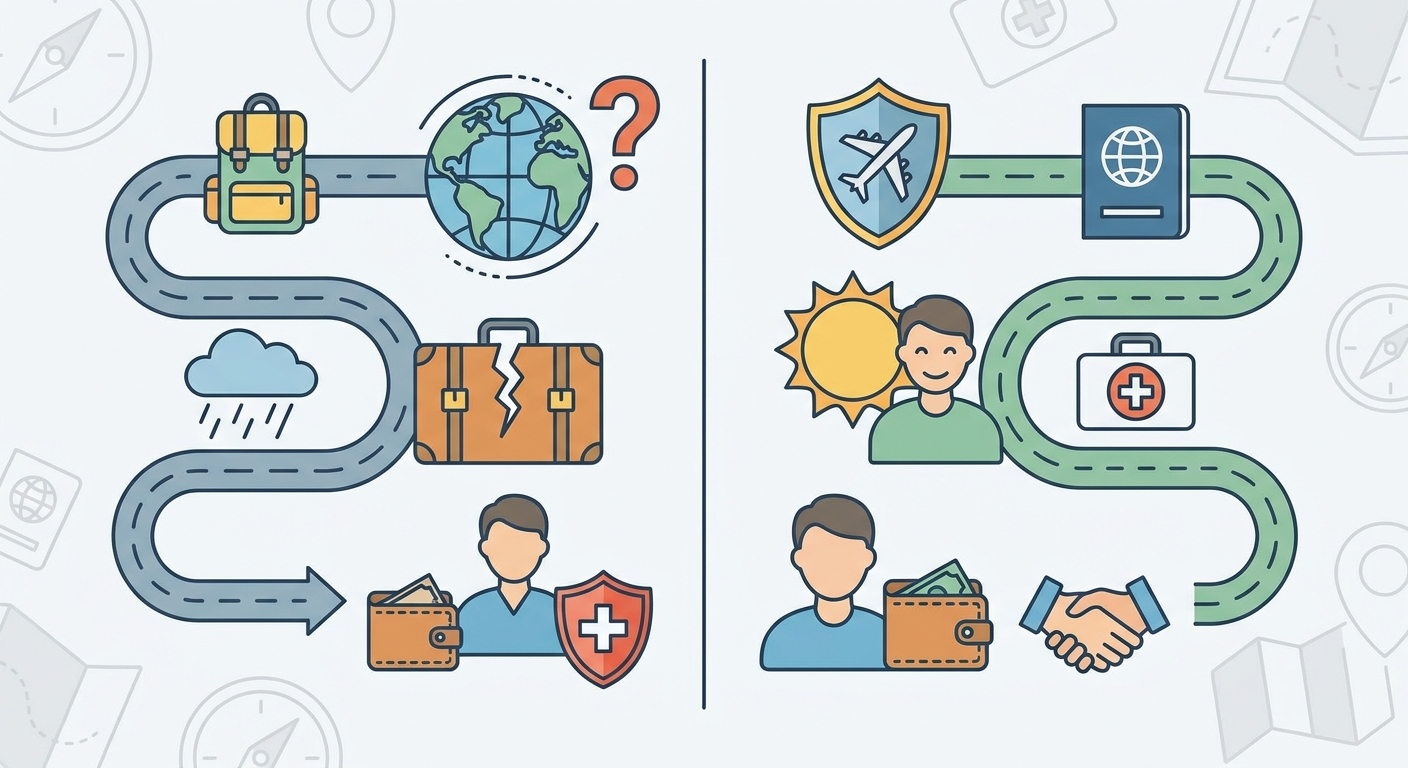
For the vast majority of international trips, the answer is a resounding yes. Travel insurance is not just necessary; it's an essential safety net that protects you from unforeseen events that can turn a dream vacation into a financial and logistical nightmare. Think of it less as a typical insurance product and more as a temporary, all-encompassing support system for when you are far from home, navigating unfamiliar systems in a foreign language.
While the temptation to save a hundred dollars by skipping it is understandable, the potential costs it protects you against can run into the tens, or even hundreds, of thousands of dollars. From a sudden medical emergency on a remote hiking trail to a last-minute trip cancellation due to a family crisis, the risks are real. This guide will move beyond the simple "yes" or "no" and dive deep into the specific protections travel insurance offers, explore the scenarios where it becomes invaluable, analyze when your credit card coverage might suffice, and ultimately empower you to make an informed decision for your unique travel style and destination.
What Exactly Is Travel Insurance and What Does It Typically Cover?
At its core, travel insurance is a type of short-term insurance policy designed to protect you from financial losses and unexpected events that can occur while you are traveling. It's a bundle of different coverages, each addressing a specific potential problem, from minor inconveniences like a delayed or canceled flight to catastrophic events like a medical evacuation. Understanding these components is the first step in appreciating its value.
Think of a comprehensive policy as a multi-tool for travelers. It has different functions for different situations. The primary components usually include medical expense coverage, trip cancellation or interruption, baggage loss or delay, and travel assistance services. Some policies are bare-bones, focusing only on medical emergencies, while others are robust, all-inclusive packages that cover a wide array of potential mishaps. The specific details, coverage limits, and exclusions will always vary between providers and plans, which makes reading the policy document crucial.
A real-world example helps illustrate this. Imagine a family plans a two-week trip to Italy. A week before departure, their child develops a severe ear infection and the doctor advises against flying. Their Trip Cancellation coverage could reimburse them for the non-refundable costs of their flights and pre-paid tours. Alternatively, if they were already in Rome and a parent had to fly home urgently due to a family emergency, Trip Interruption would cover the cost of the last-minute flight home and the unused portion of their vacation. This demonstrates how the policy functions both before and during the trip.
The key takeaway is that travel insurance isn't a single product. It's a suite of protections. When you purchase a policy, you're not just buying one thing; you're buying coverage for medical crises, travel mishaps, personal liability, and logistical support. The goal is to transfer the financial risk of these potential events from your personal bank account to the insurance company, allowing you to travel with peace of mind. The cost of the policy is a fraction of the potential cost of any single one of these covered events.

Why Is Medical Coverage the Most Critical Part of International Travel Insurance?
For anyone asking is travel insurance necessary, the medical coverage component is, without question, the most critical part of the answer. While losing your luggage is an annoyance, facing a medical emergency in a foreign country without adequate coverage can be financially catastrophic and incredibly stressful. Your domestic health insurance plan, whether private or government-provided, often has limited or no coverage outside your home country's borders.
This means if you get sick or injured abroad, you could be personally responsible for the entire bill. The costs can be astronomical. A simple visit to an emergency room for a stomach bug could cost hundreds of dollars, while a more serious incident requiring surgery and a multi-day hospital stay can easily exceed $50,000 or $100,000. These are not exaggerated figures; they are the reality of healthcare costs in many parts of the world, particularly in developed nations like the United States and countries in Western Europe.
Consider this scenario: you are on a hiking trip in the Canadian Rockies and take a serious fall, resulting in a compound fracture of your leg. You require a helicopter to evacuate you from the trail to a hospital in Calgary. The evacuation alone can cost over $10,000. The subsequent surgery, hospital stay, and medical care could add another $40,000. Finally, because you cannot fly on a commercial flight with your leg in its condition, you need a medical repatriation flight with a nurse, costing an additional $30,000. Without travel insurance, you would face a bill approaching $80,000. With a comprehensive policy, these costs would be covered, subject to your policy limit.
Beyond just paying the bills, the medical assistance services included in a policy are invaluable. These 24/7 hotlines are staffed by multilingual professionals who can help you find a reputable doctor or hospital, arrange for medical translation services, and coordinate with medical staff to ensure you're receiving appropriate care. In a moment of crisis, having an expert to call who can navigate the local healthcare system on your behalf is an immense relief. Therefore, when evaluating travel insurance, never skimp on medical coverage. Look for policies with at least $100,000 in emergency medical coverage and, crucially, at least $500,000 for medical evacuation and repatriation.
How Does Trip Cancellation and Interruption Insurance Actually Work?
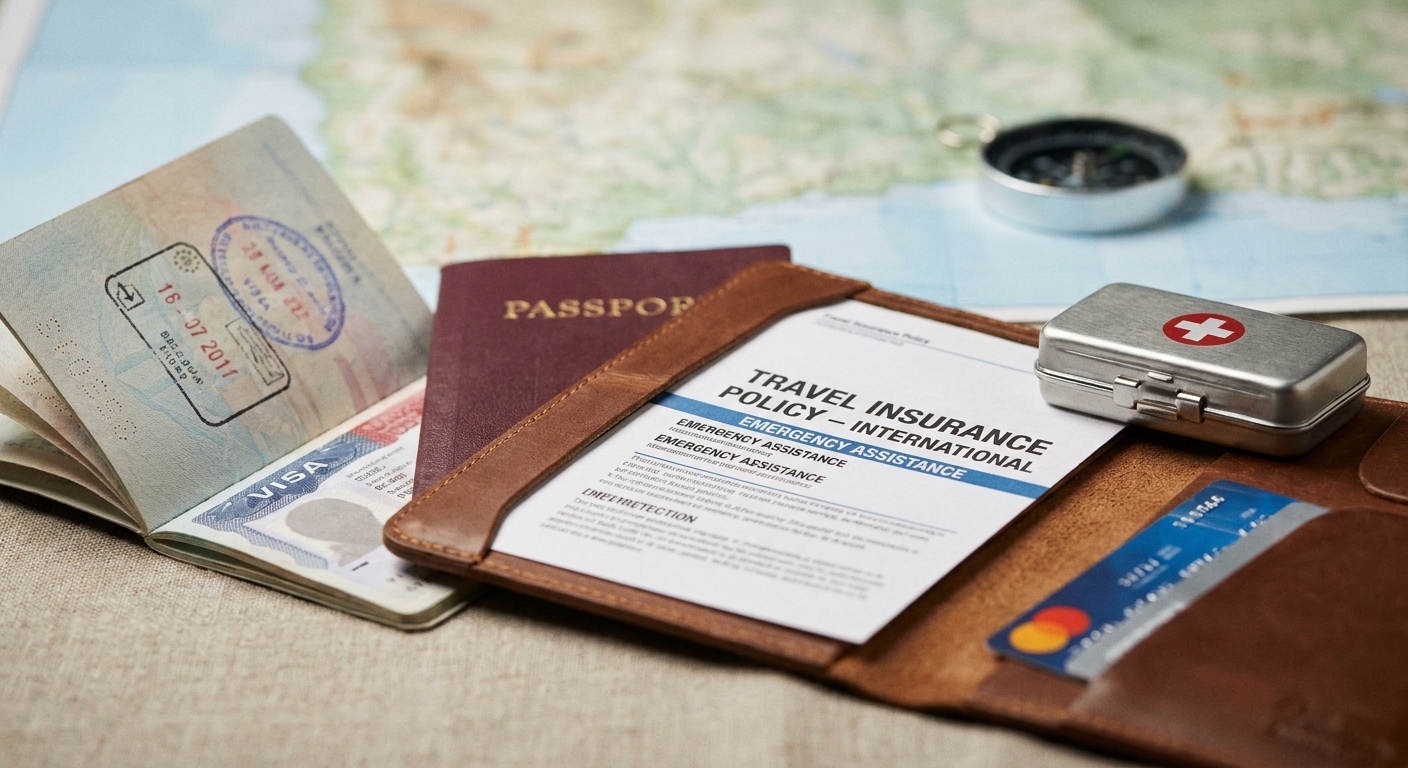
Trip cancellation and interruption coverage protects the financial investment you've made in your trip. These two components work at different stages of your journey but serve the same fundamental purpose: to reimburse you for non-refundable travel expenses when your trip is derailed by a covered reason. Understanding the distinction between them is key to knowing what you're protected against.
Trip Cancellation applies before your scheduled departure. If you are forced to cancel your trip for a reason listed in your policy, it reimburses you for pre-paid, non-refundable expenses. These typically include flights, cruises, hotel bookings, and tour payments. Covered reasons almost always include the unforeseen illness, injury, or death of the traveler, a close family member, or a traveling companion; a natural disaster at your destination; or a legally binding obligation like jury duty.
For example, imagine you've paid $6,000 for an all-inclusive safari trip to Kenya. Two weeks before you're set to leave, your father has a sudden heart attack and requires surgery. This is a clear, covered reason under most policies. You would file a claim with documentation from the doctor, and the insurance would reimburse you for the $6,000 you would have otherwise lost. Without this coverage, that money would simply be gone.
Trip Interruption applies after your trip has already begun. If you need to cut your trip short and return home early due to a covered reason, this benefit kicks in. It typically covers two main things: the cost of a last-minute, one-way ticket home (which can be very expensive) and the value of the unused, non-refundable portion of your trip. The covered reasons are generally the same as those for trip cancellation.
Let's extend the safari example. You are one week into your two-week trip when you receive news that your home has been severely damaged in a flash flood. You need to return immediately. Your trip interruption coverage would pay for the expensive last-minute flight from Nairobi back home. It would also reimburse you for the second week of the safari that you pre-paid for but could not use. This prevents you from losing both the money you spent and the money needed to handle the emergency return.
An important upgrade to consider is a "Cancel for Any Reason" (CFAR) rider. This is an optional add-on that allows you to cancel your trip for literally any reason not listed in the base policy - be it a work conflict, a breakup, or simply changing your mind. It typically reimburses 50% to 75% of your non-refundable costs and must be purchased within a short window (usually 14-21 days) of your initial trip deposit. It provides the ultimate flexibility for those with uncertain schedules or anxieties about travel.

What About My Luggage and Personal Belongings?
While not as financially devastating as a medical emergency, issues with your baggage can cause significant stress and unexpected expenses. Travel insurance policies typically include coverage for your luggage and personal effects, which breaks down into three main categories: baggage delay, baggage loss, and stolen items. Each one addresses a different phase of a potential problem.
Baggage Delay coverage is designed for immediate, short-term relief. It provides reimbursement for the purchase of essential items if your checked luggage is delayed by the airline for a specified period, usually 6 to 12 hours. This isn't a blank check; it's meant to cover necessities like a change of clothes, toiletries, and any other items you need to tide you over until your bag arrives. You must keep all receipts for these purchases to file a claim.
Imagine you fly from New York to London for an important business conference. You land, but your suitcase containing your suit, shoes, and presentation materials does not. Your baggage delay coverage, after the 6-hour waiting period, would allow you to go out and buy a new suit, shirt, and toiletries, and you would be reimbursed up to the policy limit (e.g., $250 or $500). This allows you to attend your meetings prepared and professionally dressed, turning a potential disaster into a manageable inconvenience.
Baggage Loss or damage coverage applies when your luggage is declared permanently lost, stolen, or damaged by the airline or other common carrier. This provides a lump-sum payment for the value of your lost belongings, up to the policy limit. It's important to note that this coverage is often secondary to the airline's own liability, meaning you must file a claim with the airline first. Insurance will then cover the difference between what the airline pays and the value of your items, up to your policy limit. There are also per-item limits, especially for high-value goods like electronics or jewelry, so it's crucial to check your policy details.
Stolen Belongings coverage extends beyond the airline. If your passport, wallet, or camera is stolen from your hotel room or snatched on the street, this part of your policy can help. It will reimburse you for the value of the stolen items (again, subject to per-item and total limits). Crucially, you must file a police report at the location of the theft as soon as possible. This report is non-negotiable documentation required by the insurance company to process your claim. Having this coverage provides a safety net against theft, which can be a real risk in many popular tourist destinations.

Doesn't My Credit Card Already Provide Travel Insurance?
This is one of the most common and important questions travelers ask. Many premium travel credit cards do offer a suite of travel protections, and they can be quite valuable. However, relying solely on credit card insurance without understanding its limitations can be a costly mistake. The coverage provided by credit cards is often less comprehensive and comes with more restrictions than a standalone policy you purchase from an insurance company.
Credit card travel insurance typically excels in areas related to the travel booking itself. This includes trip cancellation/interruption, baggage delay, and rental car collision damage waivers (CDW). The key condition is that you must have paid for a significant portion, if not all, of the trip expenses with that specific credit card for the coverage to apply. If you paid for your flight with one card and your hotel with another, it can complicate or even invalidate a claim.
The most significant gap in credit card coverage is almost always emergency medical expenses. While a few ultra-premium cards offer some level of emergency medical and dental coverage, it is often much lower than what a dedicated travel insurance policy provides. For example, a credit card might offer $25,000 in medical coverage, which sounds like a lot but could be exhausted by a single surgery or a short hospital stay abroad. Furthermore, medical evacuation coverage on credit cards is often limited to transport to the 'nearest suitable facility,' not necessarily repatriation back to your home country, which is a critical distinction.
Let's create a comparison to highlight the differences:
| Feature | Typical Premium Credit Card | Comprehensive Standalone Policy |
|---|---|---|
| Emergency Medical | Often none, or low limits (e.g., $25,000) | High limits (e.g., $100,000 to $1,000,000+) |
| Medical Evacuation | Limited, may not include repatriation home | Robust coverage, includes repatriation |
| Activation | Must book travel with the card | Covers trip regardless of payment method |
| 'Cancel for Any Reason' | Almost never available | Often available as an optional upgrade |
| Pre-existing Conditions | Rarely covered | Often covered with a waiver if policy is bought soon after trip booking |
| Duration of Trip | May have short limits (e.g., 15 or 30 days) | Can be customized for long-term travel |
The actionable insight here is to treat your credit card insurance as a valuable secondary layer of protection, not your primary safety net. It's excellent for covering rental cars or reimbursing you for a flight delay. But for the high-stakes risk of a medical emergency, a standalone policy is superior. The best approach is to review your credit card's guide to benefits to see what you have, identify the gaps (especially medical), and then purchase a standalone travel insurance policy that fills those gaps, ensuring you are fully protected.
How Much Should I Expect to Pay for a Comprehensive Policy?
Understanding the cost of travel insurance is crucial for budgeting, and many travelers are pleasantly surprised to find it's more affordable than they assume. While there is no single fixed price, a general rule of thumb is that a comprehensive travel insurance policy will cost between 4% and 10% of your total non-refundable trip cost. For a $3,000 trip, you might expect to pay anywhere from $120 to $300 for a solid plan.
Several key factors influence the final premium you will pay. The most significant of these are:
- Total Trip Cost: The higher your non-refundable, pre-paid trip expenses, the more the insurer stands to lose if you cancel. Therefore, a more expensive trip will have a higher insurance premium for trip cancellation coverage.
- Age of Travelers: The risk of medical issues increases with age. As a result, premiums rise significantly for older travelers, particularly those over 65 or 70. Policies for seniors are more expensive, but also more critical.
- Trip Duration: A longer trip means more time for something to go wrong. A policy for a three-week backpacking trip will cost more than one for a long weekend getaway.
- Destination: Traveling to a country with extremely high medical costs (like the U.S.), a remote location requiring complex evacuation logistics, or a place with a travel advisory can increase the cost of your policy.
- Level of Coverage: A basic plan with low medical limits and no cancellation coverage will be very cheap. A premium plan with high medical limits, trip cancellation, and a 'Cancel for Any Reason' rider will be at the higher end of the price spectrum.
Let's look at a practical example. A 30-year-old couple is planning a 10-day trip to Spain with a total non-refundable cost of $5,000. A standard comprehensive plan for them might cost around $250 (5% of the trip cost). This plan would likely include $100,000 in medical coverage, $500,000 in medical evacuation, full trip cancellation reimbursement, and baggage protection. Now, consider an 70-year-old couple planning the exact same trip. Due to their age, their premium for the same level of coverage could be closer to $500 or $600 (10-12% of the trip cost).
The most important takeaway is not to simply shop for the cheapest plan. The cheapest policy is often cheap for a reason - it may have low coverage limits, a high deductible, or numerous exclusions. When you ask is travel insurance necessary, the follow-up question should be 'what level of coverage is necessary for my trip?'. Instead of focusing solely on price, focus on value. Evaluate what you are getting for your money. Is the medical coverage adequate? Does it cover the activities you plan to do? A $150 policy that fully protects your $5,000 investment and offers $500,000 in medical evacuation coverage is an incredible value when you consider the potential financial downside. Use comparison websites to view quotes from multiple providers side-by-side to find the best balance of coverage and cost for your specific needs.
Are There Situations Where Travel Insurance Might Not Be Necessary?
While this guide strongly advocates for travel insurance, it's important to acknowledge that the answer to is travel insurance necessary is not always a simple yes. There are specific, limited circumstances where the risk is low enough that you might reasonably decide to forgo purchasing a separate policy. However, this decision should always be made after a careful and honest assessment of the potential risks.
The primary scenario where you might skip it is for a short, inexpensive domestic trip. If you are driving to a neighboring state for a weekend, your domestic health insurance will cover you fully. Since your financial outlay is minimal (perhaps a couple of hundred dollars for a hotel), the need for trip cancellation is low. If your car breaks down, your auto insurance or a roadside assistance program would be the relevant coverage, not travel insurance. In this context, the added cost of a travel policy likely outweighs the potential benefits.
Another situation involves travelers who have extremely comprehensive coverage through other means. For example, some high-level corporate jobs provide employees with a robust annual travel insurance policy that covers both business and leisure travel. Similarly, some ultra-elite credit cards may offer primary medical coverage and evacuation benefits sufficient for your destination (though this is rare). The key is to never assume you have this coverage. You must obtain the policy documents, read the fine print, and confirm that the coverage limits and terms are adequate for your specific international trip.
A final example could be a last-minute, non-refundable flight booked for a very low price to visit family in a country with a strong public healthcare system where you might be eligible for care. If the ticket only cost $300 and you have no other pre-paid expenses, you might be willing to risk losing that amount if you have to cancel. However, you are still exposed to risks like baggage loss and, most importantly, medical emergencies. Even in countries with socialized medicine, emergency services for tourists are not always free, and medical evacuation back home certainly is not. This is a high-risk gamble.
Ultimately, the decision to skip travel insurance boils down to your personal risk tolerance and the specific parameters of your trip. Before you do, ask yourself:
- Am I leaving my home country? (If yes, you almost certainly need it for medical).
- How much non-refundable money would I lose if I had to cancel today? (If it's more than you're comfortable losing, you need it).
- Could I afford a $50,000 emergency medical bill out-of-pocket? (If not, you absolutely need it).
What Are Common Exclusions I Should Watch Out For in a Policy?
Buying travel insurance is not a guarantee that every possible negative event is covered. Every policy contains a list of exclusions - specific situations, activities, and conditions that the insurer will not pay for. Understanding these exclusions before you buy is just as important as understanding the benefits, as it prevents nasty surprises if you need to make a claim.
One of the most common and significant exclusions relates to pre-existing medical conditions. A pre-existing condition is typically defined as any illness, injury, or medical issue for which you received treatment, advice, or medication within a specific look-back period (often 60 to 180 days) before purchasing the policy. If you have to cancel your trip due to a flare-up of a known heart condition, a standard policy might deny your claim. However, many comprehensive plans offer a "Pre-existing Medical Condition Exclusion Waiver" if you purchase the policy within a certain timeframe (e.g., 14-21 days) of your initial trip deposit. This waiver is incredibly valuable for many travelers.
Another major category of exclusions involves high-risk activities. Your standard travel insurance policy assumes you'll be doing typical tourist activities like sightseeing and swimming. It will likely not cover injuries sustained while participating in adventure sports like backcountry skiing, mountaineering, scuba diving below a certain depth, or skydiving. If you plan on engaging in these activities, you must purchase a policy with an optional 'adventure sports' or 'hazardous sports' rider to be covered.
Here are some other common exclusions to look for in the fine print:
- Foreseeable Events: You cannot buy a policy to protect against a hurricane that has already been named or to cancel a trip due to a widely publicized airline strike. The event must be unforeseen at the time of purchase.
- Mental Health Disorders: Many standard policies exclude claims arising from mental or nervous health disorders, like anxiety or depression, unless you are hospitalized. This is an area where policy language is slowly changing, but you need to check carefully.
- Pandemics and Epidemics: While many policies have been updated since 2020 to include some coverage for COVID-19 (e.g., if you get sick and have to cancel), cancellations due to fear of travel or government-imposed travel bans are generally not covered unless you have a CFAR rider.
- Illegal Acts or Substance Abuse: No policy will cover you if you are injured while committing an illegal act or while under the influence of non-prescribed drugs or alcohol.
The actionable insight is simple but critical: read the policy document. It may be long and written in dense legal language, but it is the binding contract between you and the insurer. Pay special attention to the "General Exclusions" section. If you have any questions or are unsure if a specific activity or condition is covered, call the insurance company and get clarification in writing before you purchase the plan. This proactive step can save you immense frustration and financial loss down the road.
How Do I Choose the Right Travel Insurance Plan for My Specific Trip?
Choosing the right travel insurance plan isn't about finding the single "best" policy, but about finding the policy that best matches your unique trip, health, and risk tolerance. A one-size-fits-all approach doesn't work. A student backpacking through Southeast Asia has very different needs than a family on a Caribbean cruise or a senior citizen on a guided tour of Europe. A systematic approach can help you narrow down the options and select the most appropriate coverage.
First, assess your trip's specific profile. Ask yourself a series of questions:
- Where am I going? Medical costs in the USA, Canada, and Japan are very high, requiring a policy with high medical limits. A trip to a remote region in Nepal might prioritize a plan with excellent medical evacuation coverage.
- What will I be doing? If your itinerary includes hiking, skiing, or scuba diving, you'll need to ensure your policy covers these activities, possibly by adding an adventure sports rider. For a relaxing beach vacation, this might be less of a concern.
- What is my financial risk? Calculate the total of all your non-refundable, pre-paid expenses. This is the amount you need for your trip cancellation and interruption coverage. Don't underinsure this amount.
- Who am I traveling with? If you're traveling with children or elderly parents, you'll want a plan with strong medical benefits and a low deductible.
Second, evaluate your personal needs. Your age and health are paramount. If you have any pre-existing medical conditions, your top priority should be finding a plan that offers a waiver. As discussed, this typically requires buying your policy shortly after your first trip payment. If you have a lot of uncertainty around your ability to travel, investing in a "Cancel for Any Reason" (CFAR) add-on might be worth the extra cost for the flexibility and peace of mind it provides.
Third, use a comparison website. These tools are invaluable for modern travel planning. They allow you to enter your trip details (age, destination, dates, cost) and receive quotes from numerous reputable insurance providers. You can then compare plans side-by-side, looking not just at the price but at the specific coverage limits for key categories like medical, evacuation, and baggage. Look at the details: does the medical coverage have a deductible? What is the waiting period for baggage delay coverage to kick in? These details matter.
Finally, once you've narrowed it down to two or three plans, take the time to read reviews and the full policy documents for each. Pay attention to the claims process and customer service reputation of the underwriter. A cheap plan from a company with a terrible claims reputation is a false economy. Your goal is to find a plan that provides robust, relevant coverage from a trusted provider at a competitive price. This methodical approach ensures your safety net is strong, reliable, and perfectly tailored to your upcoming adventure.
Conclusion: An Investment in Your Peace of Mind
Returning to our original question - is travel insurance necessary for your next international trip? After exploring the intricate layers of coverage, the real-world scenarios, and the potential for financial disaster, the answer becomes clear. For nearly every traveler venturing abroad, it is an indispensable tool, an investment that offers a return far greater than its modest cost: peace of mind.
It's a safeguard for your health, protecting you from crippling medical bills in foreign lands with its robust emergency medical and evacuation benefits. It's a shield for your finances, reimbursing the hard-earned money you invested in your trip if an unexpected illness or family emergency forces you to cancel or cut your journey short. It's a practical solution for common travel headaches, helping you replace essential items when an airline loses your luggage or navigate the chaos of a missed connection. More than just a policy, it's a 24/7 global support system ready to assist you in a time of crisis.
While the temptation to skip the expense and hope for the best is perennial, it is a gamble against profoundly high stakes. Your credit card may offer a safety net, but it's one with significant holes, especially concerning medical care. The small percentage of your trip cost that you allocate to a comprehensive insurance plan buys you freedom from worry. It allows you to fully immerse yourself in the joy of discovery, to hike that mountain, try that exotic food, or wander through that ancient city, knowing that if the unexpected happens, you are not alone. So, as you finalize your travel plans, don't view insurance as another tax on your vacation. View it as the final, essential item you pack - the one that ensures your trip is memorable for all the right reasons.
Frequently Asked Questions
Yes, travel insurance is absolutely worth it, even for a one-week trip to Europe. The primary reason is for emergency medical coverage. While European healthcare is excellent, it is not free for tourists, and an accident or sudden illness could result in tens of thousands of dollars in medical bills. Furthermore, a one-week trip involves significant non-refundable costs (flights, hotels) that would be protected by trip cancellation coverage. Given the potential for flight delays, lost luggage, and other common travel disruptions, a relatively inexpensive insurance policy provides a crucial financial safety net and peace of mind, making it a wise investment for any European holiday.
Yes, you can and should get travel insurance if you have a pre-existing condition. Most standard policies exclude these conditions by default. However, many comprehensive plans offer a "pre-existing medical condition exclusion waiver." To qualify for this waiver, you typically must be medically stable to travel when you buy the policy and purchase your insurance within a short window (usually 14-21 days) of making your initial trip payment. This waiver is crucial as it extends coverage to include unexpected flare-ups of your existing condition, which is a significant risk for many travelers. Always read the policy details carefully.
Your domestic health insurance is designed for medical care within your home country and typically offers very limited or no coverage abroad. Travel insurance is a short-term, specialized policy designed for travel. Its main component is emergency medical coverage for accidents and illnesses that occur on your trip. However, it also bundles in a range of other protections unrelated to health, such as trip cancellation, travel delay, lost luggage, and emergency evacuation. In essence, health insurance covers your routine and emergency health at home, while travel insurance covers your emergency health and a variety of financial risks while you are away.
For most domestic trips, travel insurance is less critical but can still be beneficial. Your regular health insurance will cover you for medical issues within your own country. However, if you have pre-paid a significant amount in non-refundable flights, accommodation, or tours, you might want a policy with trip cancellation coverage. This protects your financial investment if you have to cancel due to a covered reason like a sudden illness or family emergency. For short, inexpensive road trips, it's often not necessary, but for expensive domestic holidays or cruises, it can be a prudent choice.
The best time to buy travel insurance is immediately after you make your first non-refundable payment for your trip, such as booking your flights or a tour. Buying early is crucial for two main reasons. First, trip cancellation coverage begins the moment you purchase the policy, protecting you from unforeseen events that could happen between booking and departure. Second, purchasing within a short window of your initial deposit (e.g., 14-21 days) is often required to be eligible for important benefits like the pre-existing medical condition waiver and "Cancel for Any Reason" coverage. Waiting until the last minute negates many key protections.
