
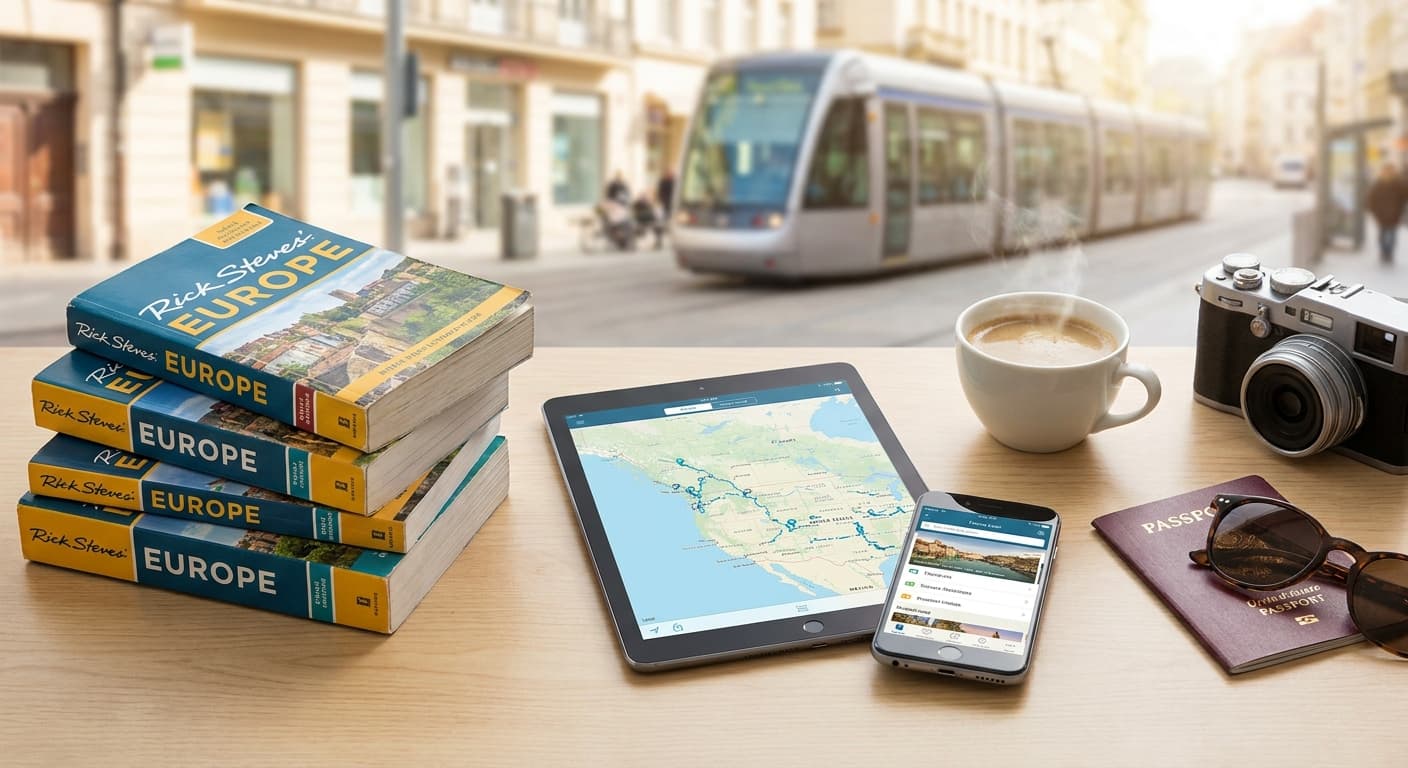
Rick Steves Travel Guides Review: Are They Still Relevant in 2026?
Rick Steves Travel Guides
Yes, Rick Steves travel guides are absolutely still worth it in 2026, but for a specific type of traveler. In an age of information overload, these guidebooks offer expertly curated, opinionated, and ruthlessly efficient advice that saves hours of research and prevents decision fatigue. They are perfect for first-time Europe visitors, families, and anyone who wants a reliable, offline resource that prioritizes cultural immersion.
Overall Score
| Rick Steves Travel Guides: 2026 Summary | |
|---|---|
| Product Name | Rick Steves' Europe Travel Guides |
| Key Features | Curated recommendations, self-guided city walks and museum tours, "Back Door" travel philosophy, high-quality maps, cultural and historical context. |
| Pricing Range | $15 - $30 per book |
| Pros | ✔ Incredibly well-researched and opinionated, saving you decision fatigue. ✔ Focus on cultural immersion and efficiency. ✔ Excellent self-guided tours are like having a personal guide. ✔ Promotes ethical and sustainable travel practices. |
| Cons | ❌ Primarily focused on Europe. ❌ Recommendations can become crowded. ❌ Less ideal for extreme budget or luxury travelers. ❌ Physical books add weight and bulk. |
| Overall Rating | 8.8 / 10 |
| Best For | First-time or second-time travelers to Europe, families, and those aged 40+ who value curated, reliable advice over endless digital scrolling. |
| Website | 👉 Check Latest Prices on Amazon |

Quick Verdict: Are Rick Steves Guides Still a Smart Buy?
Yes, Rick Steves travel guides are absolutely still worth it in 2026, but for a specific type of traveler. In an age of information overload from blogs, vlogs, and AI planners, these guidebooks offer a powerful antidote: expertly curated, opinionated, and ruthlessly efficient advice. They cut through the noise, saving you hours of research and preventing the decision fatigue that plagues modern trip planning. The value isn't just in the lists of sights or restaurants; it's in the meticulously crafted walking tours that turn a city into a living museum and the cultural context that deepens your understanding of a place.
Who should buy one? First-time visitors to Europe, travelers who feel overwhelmed by online research, families seeking a structured plan, and anyone who wants a reliable, offline resource that prioritizes cultural immersion over chasing Instagram trends. They are for people who want to maximize their limited vacation time with proven experiences.
Who should skip it? Hardcore budget backpackers, travelers exploring outside of Europe, digital nomads who prefer apps and blogs for everything, or luxury travelers seeking high-end experiences. If your travel style is purely spontaneous or you thrive on discovering everything yourself, the structured nature of these guides might feel restrictive.
Find the Perfect Rick Steves Guide for Your Trip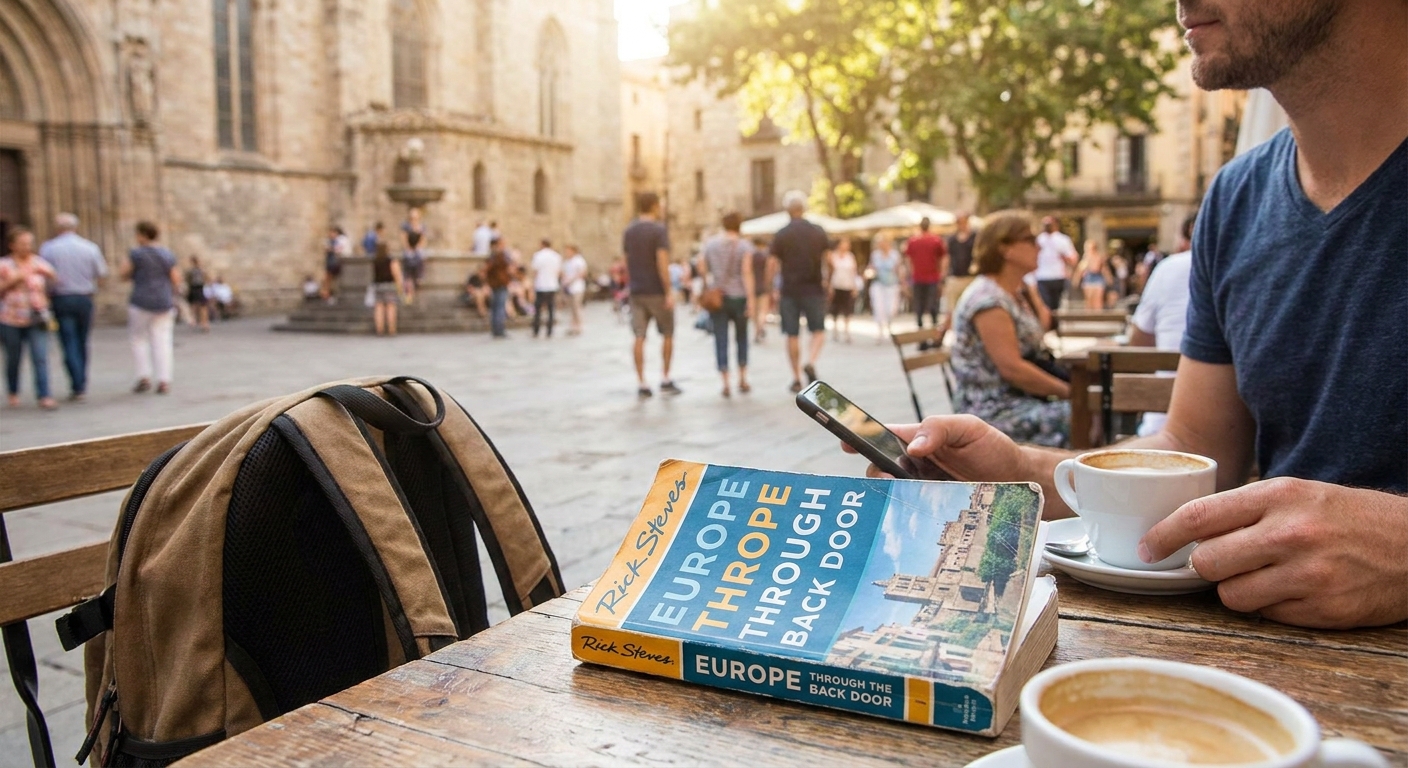
What Exactly Are Rick Steves Travel Guides?
Rick Steves travel guides are more than just books listing hotels and museums; they are a manifestation of a specific travel philosophy. At their core, these guides are curated tools designed to help independent, primarily North American, travelers experience Europe "through the back door." This philosophy, championed by Rick Steves since his first book in 1980, is about connecting with local culture, traveling smartly and efficiently, and gaining a deeper understanding of European history and art. They are intentionally opinionated, acting as a filter to help you avoid tourist traps and focus on what Steves and his team of researchers deem the most rewarding experiences. This is a stark contrast to more encyclopedic guides that aim to list everything, leaving the difficult choices up to you.
The brand's DNA is built on the idea of being a "temporary local." This means providing practical advice on everything from using public transportation and navigating train stations to understanding tipping etiquette and ordering coffee like a native. The guides don't just tell you to visit the Louvre; they give you a strategic plan to see the highlights in two hours, explaining the historical significance of the Mona Lisa, the Venus de Milo, and the Winged Victory along the way. This approach empowers travelers, especially those new to Europe, to feel confident and independent rather than like passive tourists being herded from one sight to another.
A real-world example of this philosophy in action is how a Rick Steves guide handles a city like Rome. Instead of just listing the Colosseum, Roman Forum, and Pantheon as separate entries, the guide links them together with a comprehensive, self-guided "Caesar Shuffle" walk. It provides a map, turn-by-turn directions, and historical context for what you're seeing at each step. This transforms a simple sightseeing checklist into an immersive, educational journey through ancient history. It's this focus on structured, meaningful experiences, rather than just information, that has defined the brand for over four decades and remains its core differentiator in the crowded travel information market.
Ultimately, a Rick Steves guide is a tool for maximizing your time and money to achieve a richer travel experience. It assumes you have a limited vacation window and a moderate budget, and it's designed to help you make the most of both. It's a travel mentor in your pocket, one that has already done the legwork, made the mistakes, and distilled decades of experience into a clear, actionable plan for your trip. This foundational understanding is crucial when evaluating their relevance against modern digital alternatives, which often offer more data but far less wisdom.
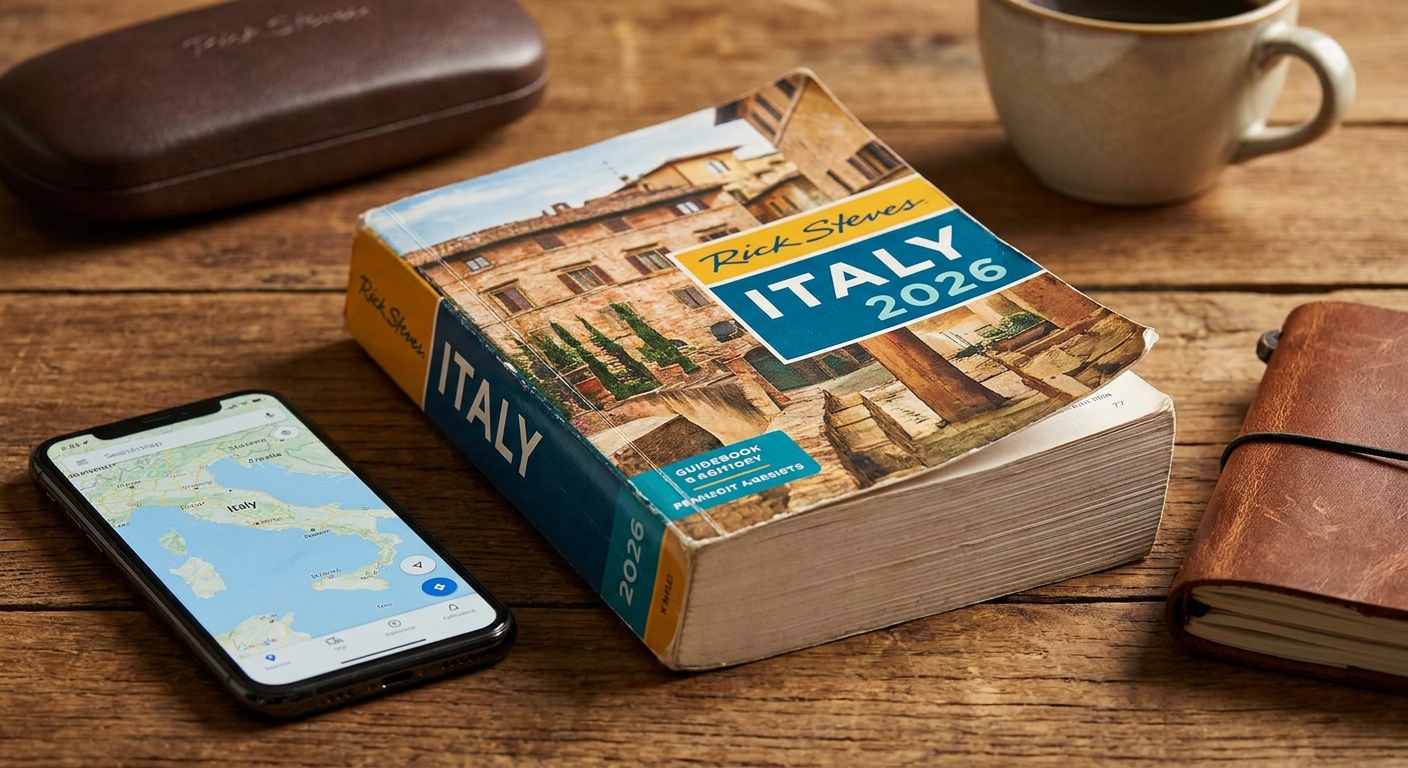
Are Rick Steves Guides Worth It in 2026? The Digital Dilemma
Yes, Rick Steves guides are arguably more valuable in 2026 than ever before, precisely because of the digital noise they cut through. The central question of their relevance hinges on a modern paradox: we have access to infinite information but often suffer from a poverty of attention and a surplus of decision fatigue. Travel blogs, TikTok itineraries, and Google Maps offer a tidal wave of options, but they lack the curation, verification, and cohesive structure of a professionally researched guidebook. A guidebook provides a finite, expert-vetted path, which is a calming and time-saving proposition for many travelers.
The primary value proposition is a massive return on investment in time. Consider the process of planning a 10-day trip to Italy. A traveler relying solely on the internet might spend 20-30 hours sifting through conflicting blog posts, verifying opening times on official websites (often in another language), reading hundreds of TripAdvisor reviews for a single restaurant, and trying to stitch it all into a logical itinerary. A Rick Steves Italy guide condenses that research into a single, reliable source. The cost of the book - around $25 - becomes negligible when you value your planning time at even a minimum wage. The book provides a proven framework you can either follow directly or adapt, saving you from reinventing the wheel.
Let's look at a practical scenario. You're in Florence, wanting to visit the Uffizi Gallery. A quick Google search gives you the location and official website. A travel blog might list the "Top 10 Paintings to See." The Rick Steves Florence & Tuscany guide, however, provides a complete self-guided tour of the museum, room by room. It tells you which rooms to skip if you're short on time, explains the artistic revolution happening in the paintings before you, and points out subtle details you'd otherwise miss. It acts as a personal art historian for the price of a paperback. This level of integrated, practical guidance is something fragmented digital sources struggle to replicate. Furthermore, in an era of spotty Wi-Fi, dead phone batteries, and expensive international data plans, the sheer reliability of a physical, offline resource cannot be overstated. It works everywhere, every time.
The alternative, of course, is a purely digital approach. Apps like TripAdvisor, Google Trips, and countless blogs offer real-time reviews and a wider breadth of options. This is ideal for a traveler who enjoys spontaneous discovery and wants the absolute latest information on a trendy new wine bar. However, this approach comes with its own pitfalls: sponsored content disguised as genuine reviews, outdated information on less-trafficked blogs, and the mental drain of constantly being on your phone. Rick Steves guides are updated regularly (typically every 1-2 years), ensuring a high degree of accuracy for core information like museum hours and transit systems. For the traveler who values a well-trodden, expertly vetted path over the gamble of the digital frontier, the guidebook remains a profoundly worthwhile investment.
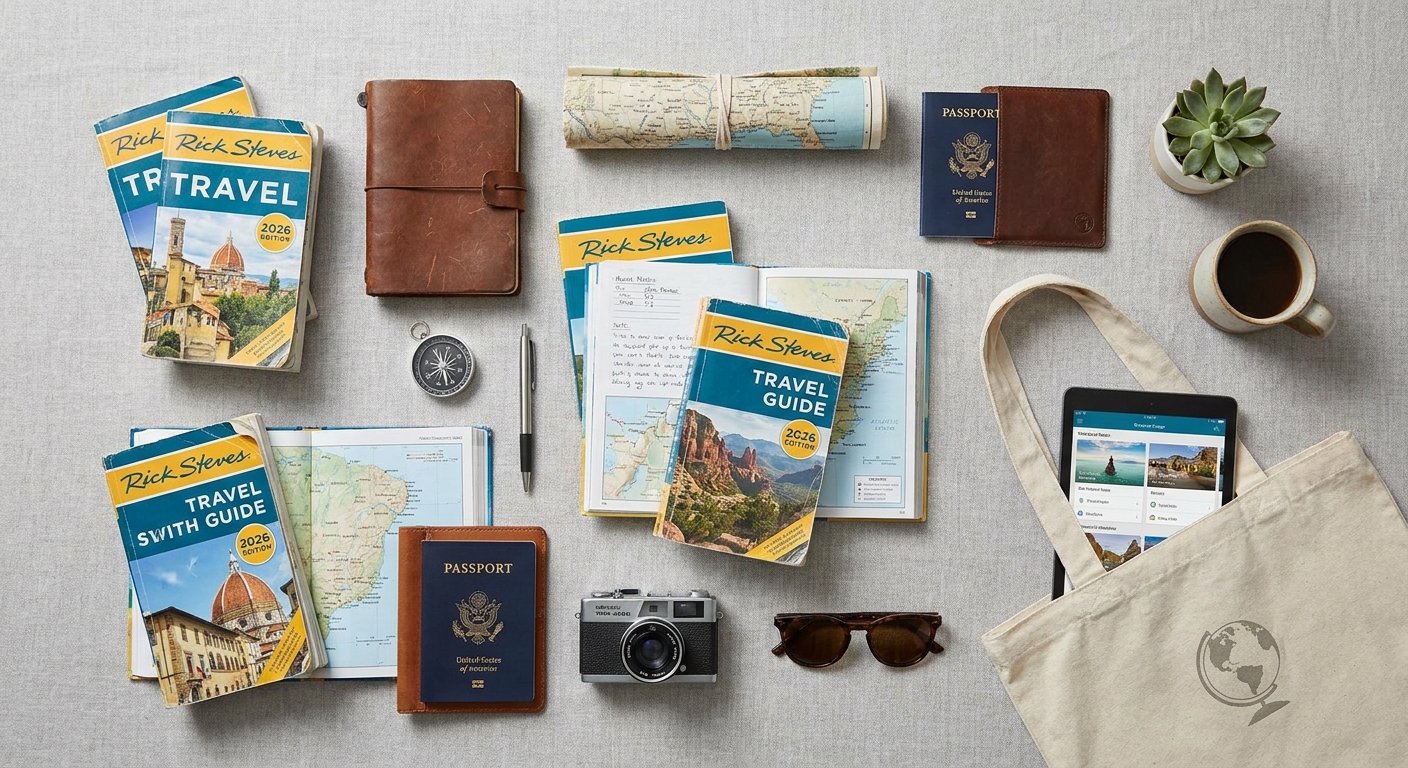
Key Features Deep Dive: What's Inside the Book?
The enduring appeal of Rick Steves guides lies in a set of core features that are meticulously designed to enhance the travel experience. These are not just sections of a book; they are functional tools. The most celebrated of these is the self-guided tour. Found for major cities, neighborhoods, and world-class museums, these are the heart of the books. They provide step-by-step walking instructions, detailed maps, and insightful commentary that brings history and art to life. For instance, the "Grand Canal Cruise" in the Venice guide transforms a public vaporetto ride - which most tourists take passively - into a narrated architectural tour. The guide tells you which side of the boat to sit on and points out specific palaces and their stories as you float by. This feature alone can save you hundreds of dollars on private tour guides while providing a richer, more personal experience.
Another cornerstone is the brand's highly curated and opinionated recommendations. Rick Steves does not try to list every hotel or restaurant in a city. Instead, he and his team select a small number of options across different budget levels that they believe offer the best value and most authentic experience. This is a deliberate choice to combat decision fatigue. When you're tired after a long day of sightseeing in Paris, you don't want to scroll through 500 Yelp reviews. You want a trusted recommendation for a great coq au vin in the neighborhood. The guides provide exactly that, complete with price estimates, opening hours, and what to order. While this means you might miss a newly opened hot spot, it guarantees a high-quality, reliable experience, which is a trade-off many travelers are happy to make.
The practical, logistical advice is another standout feature. The guides are packed with what Rick calls "travel skills." This includes detailed instructions on navigating complex train systems, strategies for avoiding long lines at popular attractions (like booking tickets online in advance or visiting during specific hours), and tips on cultural etiquette. A perfect example is the detailed breakdown of how to use the Swiss rail system in the Switzerland guide. It explains the different types of passes (Swiss Travel Pass, Half Fare Card), how to validate tickets, and how to read the departure boards. For a first-time visitor, this information is pure gold, saving time, money, and significant stress. It's this focus on empowering the traveler with practical knowledge that elevates the books beyond simple directories.
Finally, the high-quality maps and cultural context are woven throughout every chapter. The pull-out city maps are often more user-friendly and context-rich than a sterile Google Map view, highlighting recommended sights and walks. More importantly, each section is prefaced with well-written essays on the region's history, politics, and culture. Understanding the historical rivalry between Florence and Siena, for example, makes a day trip between the two Tuscan cities infinitely more meaningful. This commitment to education ensures that users of the guides don't just see Europe; they begin to understand it. This holistic approach - combining practical logistics, curated recommendations, and deep cultural context - is the unique formula that defines the product's features.

Real-World Performance & User Experience
In the field, away from the theoretical debate of digital versus print, a Rick Steves guidebook performs as a reliable, stress-reducing travel companion. Its true value is most apparent in moments of minor crisis or decision-making on the ground. Imagine you've just arrived at the Roma Termini train station, feeling overwhelmed by the chaos. Your phone's data is slow, and you're wary of the official-looking people offering expensive taxis. This is where the guidebook shines. You flip to the "Rome: Arriving by Train" section. It provides a clear map of the station, tells you exactly where to find the official, metered taxi stand, explains the metro system, and even warns you about common pickpocketing scams in that specific location. In five minutes, you've gone from disoriented and vulnerable to informed and confident, navigating your way to your hotel like a seasoned traveler.
The user experience is defined by efficiency. Let's take a day in Amsterdam. You want to visit the Rijksmuseum. The Rick Steves Amsterdam & the Netherlands guide provides a plan. It advises booking a time slot online to skip the main queue. Once inside, it offers a 90-minute self-guided tour that focuses on the Dutch Masters, providing rich context for Rembrandt's "The Night Watch" and Vermeer's "The Milkmaid." Without the guide, you might wander aimlessly, missing key works or suffering from museum fatigue. After the museum, you follow the book's Jordaan neighborhood walk, which leads you down picturesque canals, past hidden courtyards (hofjes), and to a recommended spot for apple pie. The entire day feels purposeful and enriching, with minimal time wasted on logistics or wondering "what's next?"
However, the performance isn't flawless, and the user experience can have its downsides. The biggest issue is what's known as the "Rick Steves effect." Because the guides are so popular, the small, family-run trattorias and charming B&Bs they recommend can become overwhelmed with North American tourists. You might arrive at a recommended restaurant in Cinque Terre only to find it full of other people holding the exact same guidebook. For travelers seeking complete authenticity and immersion, this can be a drawback. A savvy user learns to use the guide's recommendations as a starting point or a benchmark for quality, perhaps choosing a similar restaurant on an adjacent street to find a more local vibe.
Another real-world consideration is the physical format. Carrying a comprehensive country guide like Rick Steves Italy can be cumbersome, adding weight to your daypack. While many opt for the e-book version, users often report that flipping between a map and a description is clunkier on a screen than with a physical book. The user experience is often best when travelers photocopy or tear out relevant chapters for the day's outing, a time-honored tradition among Steves' devotees. Ultimately, the performance is exceptional for its intended purpose: providing a structured, efficient, and culturally rich travel experience. It excels at removing friction and uncertainty, allowing the traveler to focus more on the destination itself.
Pros and Cons: A Detailed Breakdown
Every travel tool has its strengths and weaknesses, and Rick Steves guides are no exception. A nuanced understanding of these pros and cons is essential for determining if they are the right fit for your travel style. It's not just about what the books do, but also about what they intentionally choose not to do.
Pros: The Overwhelming Positives
- Unmatched Curation and Efficiency: This is the single biggest advantage. The guides are fiercely opinionated, saving you from the paralysis of choice. Instead of 100 restaurant options, you get 5-10 vetted ones. This saves dozens of hours in planning and allows for more confident decision-making on the road. The self-guided walks are a masterclass in this, weaving sights, history, and logistics into a seamless experience that maximizes your time.
- Deep Cultural and Historical Context: Unlike a simple travel blog listicle, these guides invest heavily in teaching you about the places you visit. The introductory chapters and museum tours are written to be engaging and accessible, turning a passive observer into an informed participant. You don't just see Michelangelo's David; you understand its political and artistic significance to Renaissance Florence. This educational component dramatically increases the ROI of your trip.
- Empowers Independent Travel: The books are filled with practical, skill-building advice. From deciphering train schedules to understanding local customs, the guides are designed to make you a more capable and confident traveler. For someone new to Europe, this is invaluable and can be the difference between a stressful trip and a fantastic one.
- Offline Reliability: In a world of unreliable Wi-Fi and costly data roaming, the dependability of a physical book is a significant pro. Your guidebook never runs out of battery, loses its signal in a medieval stone alley, or requires a login. This reliability reduces travel anxiety and keeps you engaged with your surroundings instead of your screen.
Cons: Potential Drawbacks to Consider
- The "Rick Steves Effect": The guide's popularity is its own worst enemy. Recommended hotels can be booked months in advance, and quaint restaurants can feel like an extension of the tour bus circuit. If your primary goal is to escape other tourists, seeing a sea of fellow Rick Steves readers at your dinner spot can be disheartening.
- Narrow Geographic Focus: The brand is laser-focused on Europe. If your travels take you to Asia, South America, or Africa, you'll need to look elsewhere. Even within Europe, the coverage is deepest in Western and Central Europe, with less comprehensive options for some Eastern European or Nordic countries.
- Potential for Outdated Information: While the books are updated frequently (usually every one to two years), the travel world moves fast. A recommended restaurant might close, a museum could change its hours, or a train schedule might be altered between printings. It's always wise to use the guide as a primary resource but to cross-reference critical details like opening times online just before you go.
- Not for Every Travel Style: The guides cater to a specific niche: the middle-class, culturally curious traveler on a 1-3 week vacation. They are less suitable for long-term backpackers on a shoestring budget (who may find the recommendations too expensive) or luxury travelers seeking five-star experiences (which are largely ignored). The structured itineraries can also feel confining to purely spontaneous travelers.
| Pros | Cons |
|---|---|
| ✔ Saves dozens of hours in trip planning research. | ❌ Recommended spots can be crowded with other tourists. |
| ✔ Self-guided tours provide immense value. | ❌ Almost exclusively focused on Europe. |
| ✔ Provides deep historical and cultural context. | ❌ Not ideal for extreme budget or luxury travel styles. |
| ✔ Reliable and works entirely offline. | ❌ Physical books are heavy and bulky. |
| ✔ Empowers travelers with practical skills. | ❌ Some information can become outdated between print runs. |
Who Should Use Rick Steves Guides? (Use-Case Segmentation)
The ideal user for a Rick Steves guidebook is not defined by age, but by mindset and travel goals. Understanding these specific use cases is key to knowing if the investment in a guidebook will pay off for your trip. The guides are purpose-built for certain types of travelers who will find them to be an indispensable tool.
The First-Time Europe Traveler: This is the absolute prime demographic. If you're planning your first trip to Europe, the sheer volume of information online can be paralyzing. Rick Steves provides a trusted, hand-held guide through the entire process. From which cities to visit, how to get between them, where to stay, and what to do, the book offers a complete framework. For this user, the guide isn't just a resource; it's a security blanket that replaces anxiety with excitement. For example, a college graduate planning a backpacking trip might feel overwhelmed by the Eurail pass system. The Rick Steves Europe Through the Back Door guide has an entire chapter dedicated to train travel, breaking down the options and making the choice clear.
The Time-Crunched Professional or Family: Consider a family of four or a couple in their 40s with two weeks of vacation. Their time is their most valuable asset. They don't have 40 hours to research the best way to see the highlights of Paris and Rome. They need an efficient, proven plan that minimizes hassle and maximizes enjoyment. The Rick Steves guides deliver exactly this. The curated itineraries and time-saving tips (like which museum pass is actually worth the money) are designed for this type of traveler. A family using the Rick Steves Paris guide can confidently follow the 2-day "Best of Paris" itinerary, knowing they are hitting the essential sights in a logical order without wasting time crisscrossing the city.
The Culturally Curious Learner: This traveler's goal is not just to see things, but to understand them. They are interested in history, art, and the local way of life. While a travel blog might recommend a great photo spot, Rick Steves explains the historical context behind the beautiful facade. For this user, the self-guided museum tours and historical walks are the most valuable features. A history teacher visiting Normandy, for instance, would find the detailed D-Day Beaches tour in the Rick Steves France guide to be an incredibly powerful and educational tool, far surpassing what they could piece together from scattered online sources. They value the depth of information as much as the logistical advice.
The Planner Who Likes a Framework: This person enjoys the planning process but wants a solid foundation to build upon. They might not follow the book's itinerary to the letter, but they use it as a starting point. They'll use the recommended hotels as a quality benchmark while they search on Booking.com, and they'll adapt the walking tours to include a specific shop or cafe they found online. For them, the guidebook provides the 80% solution, saving them the effort of starting from scratch and allowing them to focus their energy on personalizing the final 20% of their trip. This hybrid approach is a very common and effective way to use the guides in 2026.
Who Should NOT Buy Rick Steves Guides?
While Rick Steves guides are a phenomenal tool for many, they are definitively not a one-size-fits-all solution. Being honest about their limitations is crucial. For certain travelers, purchasing one of these guides would be a waste of money and backpack space, as their travel style is fundamentally misaligned with the product's philosophy.
The Hardcore Budget Backpacker: If your primary goal is to spend the absolute minimum amount of money, a Rick Steves guide is not your best resource. While it promotes smart spending and value, its recommendations for accommodation and food are generally in the low-to-mid range, not the ultra-budget tier. A backpacker looking for the cheapest hostel dorm, cooking their own meals, and using Couchsurfing will find much more relevant information on blogs like The Broke Backpacker or apps like Hostelworld. The Rick Steves ethos is about value, not pure cheapness. For example, he might recommend a $120/night family-run hotel for its charm and location, whereas a budget backpacker is looking for a $25/night dorm room, a category the guide largely ignores.
The Off-the-Beaten-Path Explorer: Rick Steves' motto is "Europe Through the Back Door," but in 2026, that "back door" is now a very well-trodden path. His focus is on making the most popular destinations accessible and meaningful. If your travel ambition is to explore remote villages in the Balkans, hike through the Caucasus Mountains, or find undiscovered gems in rural Poland, this is not the guide for you. Competitors like Lonely Planet or Bradt Guides offer far better coverage of less-touristed regions. A traveler wanting to explore Albania would find the Rick Steves library useless, while the Lonely Planet Western Balkans guide would be their bible.
The Tech-Savvy Digital Minimalist: Some travelers have fully embraced a digital-only workflow and find physical books to be an unnecessary burden. This person is adept at using Google Maps for navigation, finding restaurants through Instagram geolocation tags, booking hotels on apps, and using AI tools like ChatGPT to build initial itineraries. They value real-time information and user-generated content over a static, printed guide. For them, the weight and bulk of a book, however useful, is a dealbreaker. They prefer the dynamic, interconnected nature of digital tools and are comfortable with the research and filtering process that it requires.
The Luxury Traveler: Rick Steves' philosophy is rooted in authentic, middle-class experiences. The guides explicitly avoid high-end luxury. You will not find recommendations for Michelin-starred restaurants, five-star grand hotels, or private chauffeur services. A traveler who prefers these comforts and amenities will find the guides completely unhelpful. Their needs are better served by luxury travel agents or guides like Fodor's or the Michelin Guide, which cater specifically to a higher budget and service level. The Rick Steves guide would tell you the best way to take the train from the airport, while this traveler is looking for the most reliable black car service.
See If Your Destination Is Covered by Rick StevesComparison: Rick Steves vs. The Competition
No travel guide exists in a vacuum. The decision to buy a Rick Steves guide is also a decision not to buy a Lonely Planet guide, a Fodor's guide, or to rely solely on digital resources. Understanding the key differences in philosophy, audience, and style is critical to choosing the right tool for your trip.
Rick Steves vs. Lonely Planet
This is the classic guidebook showdown. The fundamental difference is curation vs. comprehensiveness. Rick Steves is a curated filter; Lonely Planet is an encyclopedia. A Rick Steves guide to Italy will tell you the best things to do. A Lonely Planet guide to Italy will try to tell you all the things you can do. This manifests in their recommendations. Rick Steves might list 5-7 hotels in a city; Lonely Planet will list 20, from budget hostels to boutique hotels. The writing style also differs. Rick Steves is like an enthusiastic history teacher giving you a personal tour. Lonely Planet's tone is more that of a well-informed journalist. Choose Rick Steves if: You are a first-time visitor to a popular European destination and want a clear, efficient plan. Choose Lonely Planet if: You are a more independent traveler, a budget backpacker, or are traveling outside of Europe and want a wider range of options.
Rick Steves vs. Fodor's Travel
The main distinction here is the target budget and travel style. Fodor's caters to a slightly more upscale, mainstream traveler. While they cover a range of budgets, their strength lies in the mid-range to high-end market. Their recommendations often include more established hotels, well-known restaurants, and detailed shopping guides. Rick Steves is focused on value and authentic, often simpler, experiences. You're more likely to find a guide to the best gelato in a Fodor's book, while Rick Steves is more likely to have a detailed guide to understanding the art in the church next to the gelato shop. Fodor's feels more polished and traditional, whereas Rick Steves feels more personal and opinionated. Choose Rick Steves if: You want to immerse yourself in culture and history on a moderate budget. Choose Fodor's if: You appreciate a comfortable travel style, good food and shopping, and want reliable recommendations for a slightly higher budget.
Rick Steves vs. Travel Blogs & Apps
This is the modern battle: print vs. digital. Travel blogs, Instagram, and apps like TripAdvisor offer an endless stream of real-time, user-generated content. Their biggest advantage is timeliness and breadth. You can find a review for a cafe that opened last week. However, their biggest weakness is a lack of reliability, quality control, and structure. Information can be outdated, biased by sponsorships, or simply incorrect. You have to do all the work of vetting and organizing the information. A Rick Steves guide is a closed, finite, and professionally vetted resource. It provides a cohesive plan that links transportation, sights, and food into a logical itinerary. Choose blogs/apps if: You are a spontaneous traveler, a digital native who enjoys research, and you prioritize the absolute latest information. Choose Rick Steves if: You value expert curation, reliability, and want to save time and reduce decision fatigue.
| Feature | Rick Steves | Lonely Planet | Fodor's Travel | Travel Blogs/Apps |
|---|---|---|---|---|
| Target Audience | North American, first-time Europe travelers (40+), families | Independent travelers, backpackers, explorers (20-40) | Mainstream tourists, couples, comfort-focused travelers | Everyone, especially younger, trend-focused travelers |
| Geographic Focus | Western & Central Europe (Deep) | Worldwide (Broad) | Popular destinations worldwide | Hyper-specific niches to broad overviews |
| Style | Opinionated, curated, educational, personal | Comprehensive, journalistic, practical | Polished, reliable, service-oriented | Personal, variable quality, often sponsored |
| Recommendation Type | "The best" - a few vetted choices | "Here are all the options" - many choices | Reliable, mainstream, mid-to-upper range | Trendy, new, user-generated, real-time |
| Key Strength | Self-guided tours & time-saving itineraries | Global coverage & budget/backpacker options | Strong hotel/restaurant recommendations | Timeliness and visual inspiration (e.g., Instagram) |
Pricing & Value Analysis: The ROI of a Guidebook
On the surface, paying $25 for a book in an era of free online content can seem counterintuitive. However, a proper value analysis of a Rick Steves guidebook reveals it to be one of the highest-return investments you can make for your trip. The value isn't in the paper and ink; it's in the time saved, mistakes avoided, and the enhanced quality of your travel experience.
First, let's quantify the time savings. As mentioned earlier, planning a multi-city European trip can easily consume 20-40 hours of research. If you value your time at a conservative $20/hour, that's $400-$800 worth of your life spent on planning. A $25 guidebook that provides a solid, 80%-complete itinerary cuts that research time by at least half, and often more. This represents an immediate ROI of 400% or higher, simply in terms of your time. This doesn't even account for the time saved during your trip - no more standing on a street corner debating where to eat or wasting an hour traveling to a closed attraction.
Second, the guides offer direct monetary savings by helping you avoid common tourist traps and making smart, value-oriented choices. For example, the Rick Steves Paris guide has a section on metro tickets, explaining how a "carnet" of 10 tickets is far cheaper for a multi-day visitor than buying single tickets. This simple tip could save a couple 20 euros. It will steer you away from the overpriced, mediocre restaurants lining the main square and towards a family-run place two blocks away where the food is better and 30% cheaper. It will tell you which city passes are tourist traps and which ones (like the Museum Pass) can save you a fortune if used correctly. Over a 10-day trip, it's not unreasonable to suggest the book's advice could save a traveler $100-$200, making the purchase price a rounding error.
The most significant value, however, is intangible: the reduction of stress and the enhancement of the experience. Travel can be stressful, especially in unfamiliar surroundings. The guidebook acts as a constant, reliable source of information, reducing the cognitive load of navigating a new city. This frees up your mental energy to simply enjoy the moment. The true value is realized when you're standing in the Roman Forum, and instead of just seeing a field of ruins, you're using the guide's detailed map and historical overlay to visualize it as a bustling center of ancient life. You're not just a tourist; you're an engaged, informed traveler. How much is that feeling worth? For many, it's priceless. Compared to the alternatives - a $150 private walking tour, for example - the $25 book offering a similar, self-paced experience provides astronomical value.
Final Verdict: A Timeless Tool in a Digital World
After a thorough analysis of its features, real-world performance, and a direct comparison with its competitors, the conclusion is clear: Rick Steves travel guides are not only still relevant in 2026, but they serve a more vital purpose than ever. In a digital landscape defined by overwhelming choice and questionable reliability, these books stand as beacons of curated wisdom, expert guidance, and stress-reducing efficiency. They are a purpose-built tool designed to solve the fundamental problems of the modern traveler: limited time, a desire for authentic experiences, and the fatigue that comes from endless online research.
The guides succeed by not trying to be everything to everyone. They are unabashedly for the independent, culturally curious traveler on a moderate budget who is visiting Europe. Within that niche, they are unparalleled. The self-guided walks and museum tours alone are worth the price of admission, transforming a passive sightseeing trip into an active, educational journey. The practical advice on logistics, from navigating train stations to skipping ticket lines, is proven to save time, money, and immense frustration. The books empower travelers, giving them the confidence to step off the beaten path, but providing a well-researched map to guide them when they need it.
Of course, they are not without their flaws. The "Rick Steves effect" is a real phenomenon, and travelers seeking total solitude should use the recommendations with caution. The focus is squarely on Europe, and the information, being printed, can never be as up-to-the-minute as a live webpage. However, for their target audience, these are minor trade-offs. The smart traveler in 2026 uses a Rick Steves guide as the foundation of their trip - the reliable, 80% solution - and supplements it with digital tools for real-time checks and spontaneous discoveries. It's not a question of print versus digital, but how print and digital can be used together for the best possible experience.
If you are planning a trip to Europe, especially if it's your first or second time, buying the relevant Rick Steves guide is one of the smartest, highest-value decisions you can make. It will pay for itself before you even leave home in saved planning time, and its value will multiply on the road. It's more than a book; it's an investment in a smoother, deeper, and more enjoyable trip.
Frequently Asked Questions
Rick Steves guides are typically updated every one to two years for major destinations, with some less popular titles updated every three years. The publication date is always clearly printed in the first few pages. While this means the information is highly reliable for sights and transportation, it's always a good practice to double-check specific opening hours or restaurant reservations online right before your visit. This hybrid approach - using the book for structure and the internet for real-time verification - gives you the best of both worlds and ensures a smooth travel experience.
Yes, the restaurant recommendations are very reliable in terms of quality and value, but they come with a major caveat: popularity. The places recommended are chosen because they offer an authentic, high-quality experience at a fair price. However, due to the guidebook's immense popularity (the "Rick Steves effect"), these restaurants can be very crowded with other American tourists. For a guaranteed good meal, they are an excellent choice. If you're seeking a more local, off-the-radar dining experience, use his picks as a benchmark and explore similar establishments on nearby streets.
For a first-time traveler to a popular European destination, you absolutely could rely solely on a Rick Steves guide and have a fantastic, well-organized trip. The books are designed to be a comprehensive resource. However, the best approach in 2026 is to use the guidebook as your primary strategic tool and supplement it with digital resources. Use the book for your daily itinerary, walking tours, and cultural context. Then, use your phone to check real-time museum hours, make a dinner reservation, or navigate the last few blocks to your hotel with GPS.
Yes, 'Europe Through the Back Door' is more relevant than ever, but it's important to understand what it is. It's not a guidebook for specific destinations; it's a 'how-to' manual for traveling smartly in Europe. It teaches you the foundational skills: how to pack light, handle money, use trains, avoid scams, and plan an itinerary. Reading this book *before* you plan your trip is highly recommended. It provides the philosophical and practical framework upon which all the country-specific guides are built. For any first-time independent traveler to Europe, it's essential reading.
The core difference is curation versus comprehensiveness. Rick Steves acts as a filter, giving you his opinion on the best and most worthwhile things to do to save you time and decision fatigue. It's highly curated. Lonely Planet, on the other hand, acts as a directory, aiming to provide a comprehensive list of all available options (hotels, restaurants, sights) across a wider range of budgets, leaving the final choice to you. Rick Steves is best for time-crunched travelers in Europe, while Lonely Planet is better for long-term backpackers or travelers exploring destinations worldwide.
The e-book versions offer the same great content as the physical books and are an excellent way to save weight and space. The main benefit is having all your guides on one device. However, the user experience can be mixed. Many users find it clunkier to flip between a map and a text description on a screen compared to a physical book. The search function is a plus, but the joy of serendipitously discovering something by flipping through pages is lost. It's a personal preference: choose the e-book for minimalism and convenience; choose the physical book for ease of use during in-the-moment navigation.