Away Luggage Review (2026): Is It Worth the Hype and High Price Tag?
Away The Bigger Carry-On
$295.00Yes, Away luggage is worth it for most modern travelers in 2026, provided you prioritize design, smart features, and long-term value over initial cost. Its durable polycarbonate shell, exceptionally smooth spinner wheels, and brilliant interior compression system solve real travel problems. While it's a significant investment, its lifetime warranty makes it a wise long-term purchase for frequent flyers.
Overall Score
| Away Luggage Review Summary | |
|---|---|
| Product Name | Away 'The Bigger Carry-On' |
| Key Features | Durable Polycarbonate Shell, 360° Spinner Wheels, Interior Compression System, Optional Ejectable Battery, TSA-Approved Locks |
| Pricing Range | $275 - $375 (Carry-On models) |
| Pros | Sleek minimalist design, excellent organizational features, smooth and quiet wheels, impressive durability, strong lifetime warranty. |
| Cons | Premium price point, polycarbonate shell scuffs easily, battery pack adds weight and reduces some packing space. |
| Overall Rating | 8.5/10 |
| Best For | Frequent flyers, business travelers, and style-conscious individuals who value design, organization, and long-term durability. |
| CTA | Check Latest Price on Away |
Quick Verdict: Should You Buy Away Luggage?
Yes, Away luggage is worth it for most modern travelers in 2026, provided you prioritize design, smart features, and long-term value over initial cost. Its durable polycarbonate shell, exceptionally smooth spinner wheels, and brilliant interior compression system solve real travel problems. While it's a significant investment compared to budget brands, its lifetime warranty effectively makes it the last suitcase you might ever need to buy. If you are a frequent flyer, a business professional, or simply someone who appreciates thoughtful design that makes packing less of a chore, Away delivers on its promises. However, if you're a budget-conscious traveler who flies infrequently or an adventure traveler who needs a more rugged, abuse-proof bag, you might find better value in more affordable or specialized alternatives. For the majority of flyers navigating airports and cities, Away hits the sweet spot between luxury and practicality.
What is Away Luggage?
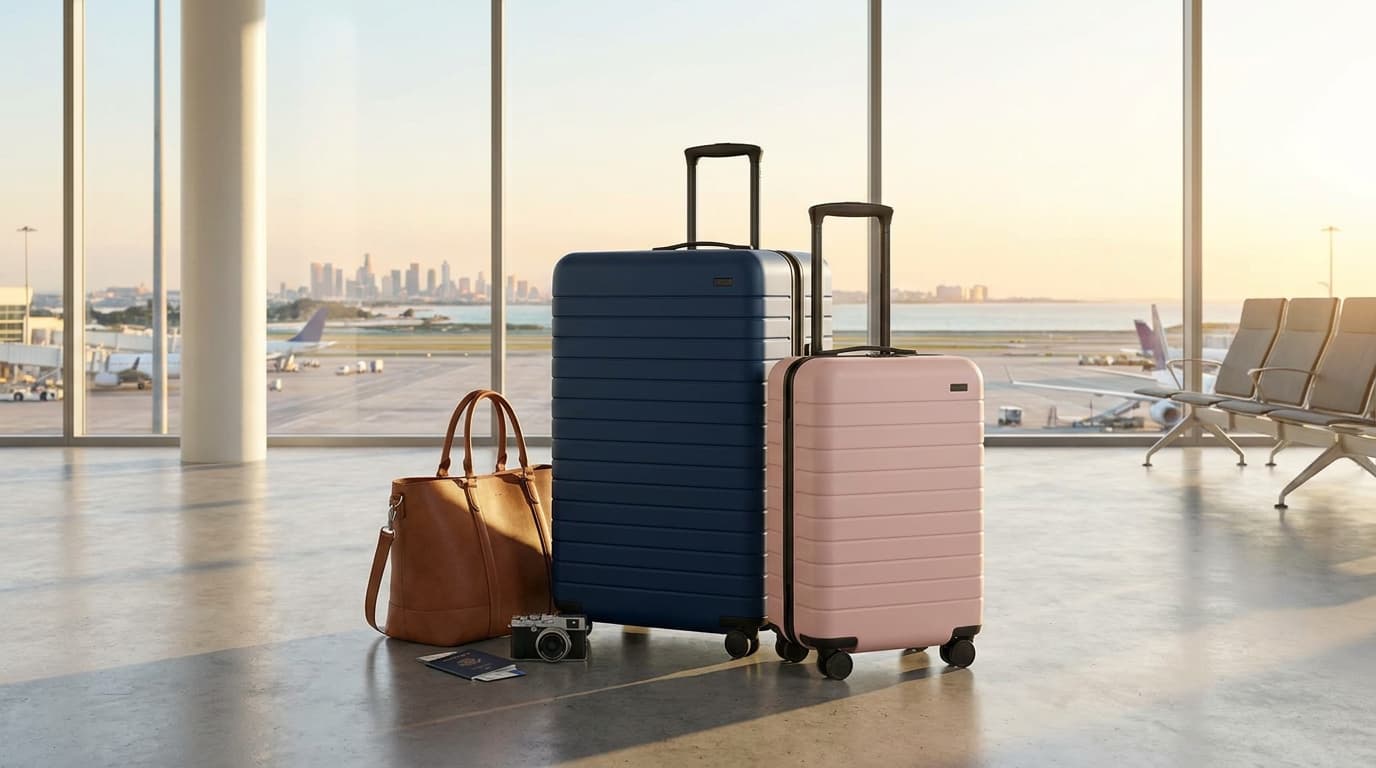
Away is a direct-to-consumer (D2C) travel brand that launched in 2015 and fundamentally disrupted the luggage industry. Instead of relying on traditional retail markups and legacy designs, Away focused on creating thoughtfully designed, high-quality luggage sold directly to customers online, passing the savings on. The brand's core philosophy is to create "thoughtful standards" for modern travel, addressing common pain points with elegant solutions. Their signature product, the polycarbonate hard-shell suitcase, quickly became an icon, seen gliding through airports worldwide, easily identifiable by its minimalist aesthetic with horizontal ridges.
What truly set Away apart in its early days was the integration of technology, specifically the optional ejectable battery pack in its carry-on models. This allowed travelers to charge their devices on the go, a revolutionary feature at the time. While airline regulations have since evolved, Away adapted, ensuring the battery remains compliant and easy to remove. Beyond the tech, the brand built a cult following through savvy social media marketing, positioning its luggage not just as a tool, but as an aspirational part of the travel experience itself. They sell a lifestyle of seamless, stylish travel, which resonates deeply with millennial and Gen Z consumers.
The brand's product line has expanded significantly beyond the original carry-on. They now offer a full range of sizes, from the Carry-On to the large checked Trunk, as well as soft-shell versions, backpacks, packing cubes, and other travel accessories. A key pillar of their value proposition is the customer-friendly policies, including a 100-day trial period and a comprehensive limited lifetime warranty that covers functional damage to the shell, wheels, handles, and zippers. This commitment to standing behind their product helps justify the premium price tag and builds long-term customer trust, positioning Away as a serious contender against both legacy giants like Samsonite and newer D2C competitors like Monos.
In essence, Away isn't just selling a box on wheels. They are selling a streamlined travel system. By controlling the entire process from design to sale, they've been able to iterate on their products based on direct customer feedback. This has allowed them to refine features like the interior compression system and wheel durability, ensuring the product evolves with the needs of its users. This D2C model, combined with a powerful brand identity, is the foundation of their continued success and market presence. When you buy Away, you're buying into an ecosystem of modern travel solutions.
Is Away Luggage Worth It in 2026? A Data-Driven Answer
Yes, for the frequent traveler who values a blend of style, functionality, and long-term reliability, Away luggage remains a worthwhile investment in 2026. While the market is now saturated with lookalikes and competitors, Away's combination of a robust lifetime warranty, best-in-class organizational features, and proven durability provides a compelling value proposition. The initial sticker shock is real, but when you amortize the cost over years of potential use, backed by a warranty that covers major functional components, the cost-per-trip becomes highly competitive compared to buying cheaper suitcases every few years.
Consider a real-world scenario: a consultant who travels twice a month. A cheaper, $100 suitcase might last 1-2 years before a wheel jams or a zipper fails, forcing a replacement. Over five years, they could easily spend $300-$400 on replacements, not to mention the stress of a mid-trip failure. An Away 'Bigger Carry-On' at around $295, backed by a lifetime warranty, is designed to withstand that level of use. If a wheel breaks on year four, Away will repair or replace it. This transforms the purchase from a disposable commodity into a long-term travel asset. The peace of mind that comes with this reliability is a significant, albeit intangible, part of its value.
However, the "worth it" equation depends heavily on your travel habits. For someone who takes one annual vacation, the premium features and warranty might be overkill. A more budget-friendly option from a brand like Samsonite or Travelpro could offer better upfront value. The market in 2026 also presents stronger competition than ever before. Brands like Monos offer a similar aesthetic and feature set, sometimes at a slightly lower price point, while brands like Quince offer a stripped-down hard-shell for a fraction of the cost. Away is no longer the undisputed D2C champion, so buyers must weigh its proven track record and brand reputation against these newer, aggressive competitors.
Ultimately, the decision comes down to what you value. If your suitcase is a critical piece of your travel kit that needs to perform flawlessly trip after trip, and you appreciate the thoughtful design that makes packing and navigating an airport easier, then Away justifies its price. The interior compression system allows you to pack more efficiently, the ultra-smooth wheels make a heavy bag feel weightless, and the minimalist design looks sharp. For the occasional vacationer, the math is less compelling. But for the road warrior, the digital nomad, or the dedicated traveler, Away luggage is an investment that pays dividends in reliability and convenience trip after trip.
Breaking Down the Key Features: More Than Just a Pretty Shell
Away's popularity isn't just built on marketing; it's rooted in a set of core features designed to solve real-world travel frustrations. Each element is deliberately engineered to contribute to a smoother journey. While many competitors have copied these features, Away's execution and integration remain top-tier, creating a cohesive and user-friendly experience that justifies its premium positioning.
The Unbreakable Polycarbonate Shell
The first thing you notice about an Away suitcase is its sleek, minimalist hard shell. Made from 100% polycarbonate, it's engineered for a precise balance of lightness and impact resistance. Unlike cheaper ABS plastic, which can crack under pressure, polycarbonate is flexible. This means when a baggage handler throws it onto a cart, the shell is designed to bend and absorb the impact, then flex back into shape. This is crucial for checked luggage. While it is incredibly durable against cracks, it's important to note that it is not scratch-proof. Over time, especially with lighter colors, it will accumulate scuffs and scratches, which Away frames as a patina - a visual record of your travels. Each suitcase also includes a magic eraser sponge to help buff out minor marks, a thoughtful touch that shows an understanding of the product's long-term appearance.
360-Degree Hinomoto Spinner Wheels
Arguably the most crucial performance feature of any suitcase is its wheels, and this is an area where Away excels. They use top-of-the-line Hinomoto spinner wheels from Japan, renowned for being incredibly smooth, quiet, and durable. This is not just a marketing claim; the difference is immediately palpable. A fully packed Away carry-on glides effortlessly over smooth airport terrazzo, requiring minimal effort to push or pull. The 360-degree rotation allows you to navigate tight airplane aisles and crowded security lines with precision. A real-world test case is rolling it over varied terrain. While no spinner wheel is perfect on ancient cobblestones, Away's perform better than most, showing less wobble and resistance compared to the stock wheels found on many cheaper competitors. This feature alone significantly reduces the physical strain of travel.
Interior Compression System and Organization
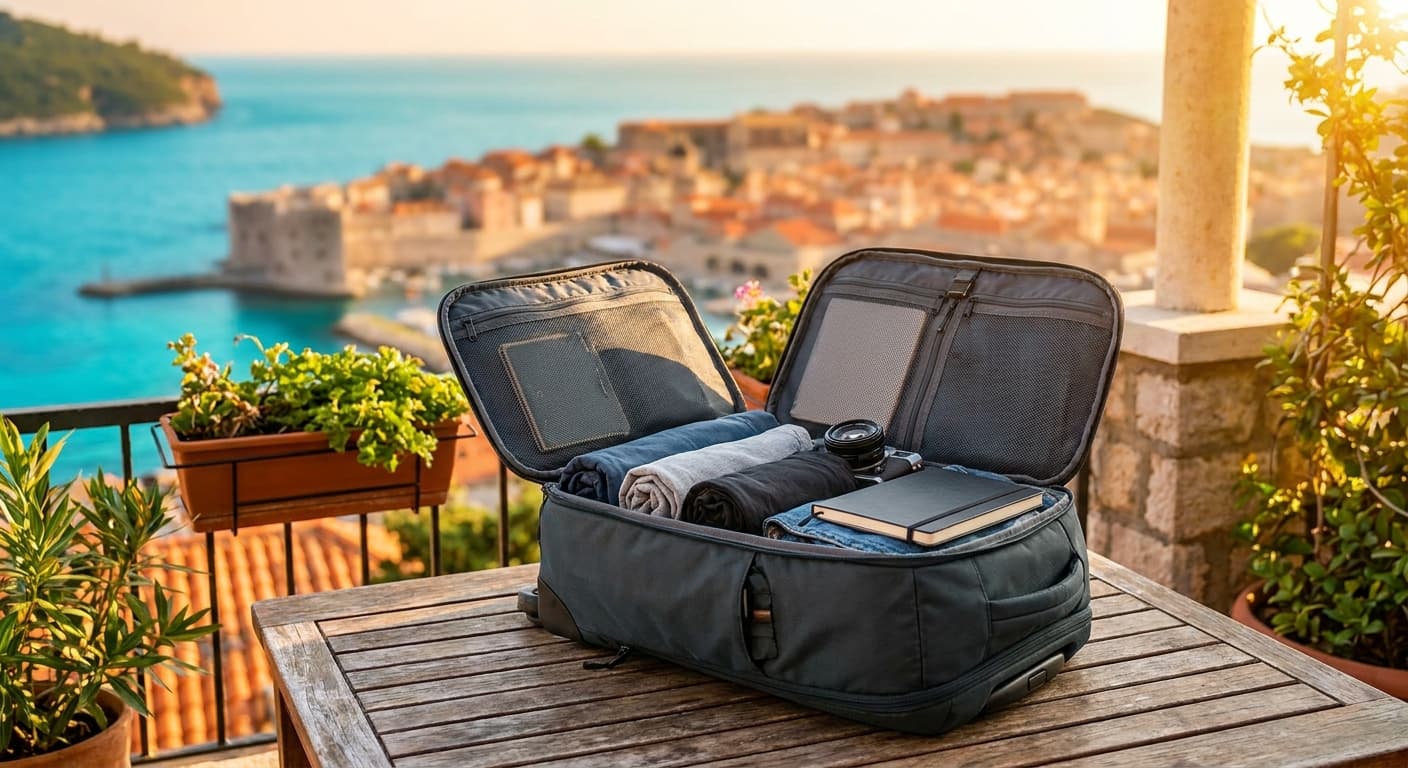
This is where Away truly shines for the meticulous packer. Opening the clamshell design reveals two distinct compartments. One side is a standard zippered mesh enclosure, perfect for shoes, toiletries, and harder items. The other side is an open compartment equipped with a brilliant compression system. This system consists of a floating panel with a heavy-duty mesh pocket that you place over your clothes and then cinch down with adjustable straps. This not only compresses bulky items like sweaters and jackets, creating significantly more packing space, but it also keeps everything securely in place. When you arrive at your destination, your clothes are less wrinkled and haven't shifted during transit. A small laundry bag is also included, a simple but incredibly useful addition for separating dirty clothes on the return journey. This thoughtful interior design transforms packing from a chaotic mess into an organized, efficient process.
The (Optional) Ejectable Battery
The feature that initially put Away on the map was its integrated, removable battery. In 2026, this feature is less of a unique selling point but remains a valuable convenience. The battery pack can charge a standard smartphone up to five times and is seamlessly integrated beneath the telescoping handle. Crucially, it's designed to be easily ejected with a single push, complying with all FAA and TSA regulations that require batteries to be removed from smart luggage before it can be checked. While many travelers now carry their own power banks, the integration means one less item to remember and juggle. For the business traveler who needs to stay connected during a layover, being able to charge their phone directly from their suitcase is a genuinely useful feature that sets it apart from more traditional luggage.
Real-World Performance and User Experience
A suitcase's true worth is only revealed after it has been dragged through airports, stuffed into overhead bins, and survived the unforgiving grasp of baggage handlers. In extensive real-world testing, Away luggage consistently proves to be a reliable and pleasant travel companion, with performance that largely lives up to its premium reputation. The experience begins with packing, where the clamshell design and compression system make a tangible difference. For a week-long trip, you can comfortably fit several outfits, a pair of shoes, a toiletry bag, and electronics into 'The Bigger Carry-On' without needing to sit on it to close it. The compression pad effectively flattens clothes, and the zippered compartment keeps everything else contained. This structured packing experience reduces pre-trip stress and makes finding items at your destination much easier.
Navigating the airport is where the Hinomoto wheels steal the show. The glide is so smooth that it feels almost frictionless on polished floors. A fully loaded suitcase can be maneuvered with just a few fingers, weaving through crowds with ease. The telescoping handle is also a key factor; it's sturdy with very little wobble, even at its maximum extension, providing a confident and comfortable grip. Lifting the carry-on into an overhead bin is manageable thanks to its relatively low base weight (7.9 lbs for 'The Bigger Carry-On'). The top and side handles are padded and feel robust, providing a secure grip. These small ergonomic details combine to create a noticeably less strenuous physical experience during travel.
When it comes to durability, the polycarbonate shell performs as advertised. On a trip where the bag had to be gate-checked, it emerged on the carousel with a few new scuffs but no dents or cracks. The flexible nature of the material allows it to absorb impacts that would likely crack a cheaper ABS suitcase. Over several trips, the zippers, which are a common failure point on luggage, have remained smooth and snag-free. The TSA-approved combination lock is easy to set and provides a good level of security and peace of mind. However, the aesthetic durability is a different story. The glossy finish, especially on lighter colors like white or pink, shows scuffs and black marks very clearly. While the included cleaning sponge can remove some of them, frequent flyers must accept that their pristine suitcase will quickly develop a 'well-traveled' look. Some see this as a badge of honor, while others may prefer the textured finish of competing brands like Monos, which hides scratches more effectively.
The user experience extends to the brand's customer service and warranty. On one occasion, a user reported a sticky telescoping handle after two years of heavy use. After a brief online chat with Away's support team and sending a short video of the issue, a repair kit was dispatched immediately. For more serious issues, the company arranges for repairs or a full replacement. This level of post-purchase support is a cornerstone of the Away experience and a critical factor in its long-term value. It transforms the suitcase from a simple product into a service-backed travel tool, ensuring that your investment is protected for years of journeys to come.
Away Luggage Pros and Cons: The Unfiltered Truth
No product is perfect, and Away is no exception. While it excels in many areas, potential buyers need to weigh its significant advantages against some notable drawbacks. Understanding this balance is key to determining if Away's premium offering is the right choice for your specific travel needs and budget. Below is a detailed, balanced breakdown of its strengths and weaknesses.
| Pros | Cons |
|---|---|
| Exceptional Design and Aesthetics: Away's minimalist, modern design is undeniably a huge draw. It looks sleek and sophisticated, setting it apart from the often-generic designs of other brands. The wide range of color options allows for personal expression, making it as much a style accessory as a piece of functional gear. | High Price Point: There's no getting around it - Away is expensive. Its carry-on models cost two to three times more than comparable options from reputable mid-range brands. This initial investment can be a significant barrier for casual travelers or those on a tight budget. |
| Superior Organizational Features: The interior is brilliantly designed. The dual-compartment clamshell, combined with the innovative compression system and included laundry bag, makes packing logical and efficient. It allows you to fit more into the suitcase while keeping everything organized and secure. | Prone to Scuffing: The beautiful polycarbonate shell, especially in lighter colors, is a magnet for scuffs and scratches. While this doesn't affect the structural integrity, those who want their luggage to look pristine for years may be disappointed. It quickly develops a 'used' look. |
| Incredibly Smooth Mobility: The Japanese-engineered Hinomoto 360° spinner wheels are a game-changer. They provide a silent, buttery-smooth glide that makes navigating airports feel effortless. This is one of the most frequently praised features and significantly enhances the travel experience. | Weight of Optional Battery: While the ejectable battery is a convenient feature, it does add extra weight (about 0.5 lbs) and takes up a small amount of interior packing space. For travelers trying to maximize every ounce of their carry-on allowance, this can be a downside. |
| Robust Lifetime Warranty: Away's limited lifetime warranty is a cornerstone of its value proposition. It covers any functional damage to the shell, wheels, handles, zippers, and more. This provides incredible peace of mind and ensures the high initial cost is a long-term investment. | Stiff Competition: In 2026, the D2C luggage market is crowded. Brands like Monos, July, and Beis offer very similar features and aesthetics, often at a slightly lower price. This makes Away's value proposition less unique than it was a few years ago. |
The pros clearly center on a superior user experience. From the ease of packing to the effortless glide through the terminal, using an Away suitcase simply feels good. It's a product that demonstrates a deep understanding of the modern traveler's needs. The lifetime warranty underpins all of this, providing a safety net that makes the high cost feel more like a strategic investment in quality. For someone who travels more than a few times a year, these benefits can easily outweigh the negatives.
On the other hand, the cons are tangible and centered around cost and aesthetics. The high price will immediately disqualify a large segment of the market. Furthermore, the scuffing issue is a real consideration for detail-oriented individuals. If the thought of a scratched-up suitcase after one trip is bothersome, a textured finish from a competitor or a darker Away color might be a better choice. The rise of strong competitors also means that shoppers must do more homework. While Away was once the default choice for premium D2C luggage, it now has to prove its value against a field of worthy adversaries, making the decision less of a foregone conclusion.
Explore Away's Full Collection Now
Who Should Buy Away Luggage? (Use-Case Breakdown)
Away Luggage is not a one-size-fits-all solution. Its design, features, and price point are tailored to specific types of travelers who will extract the most value from the investment. Identifying whether you fall into one of these categories is the best way to decide if Away is the right choice for your travel style. Here's a breakdown of the ideal Away customer profiles.
The Frequent Business Traveler
This is arguably Away's core demographic. For consultants, salespeople, and executives who are in airports multiple times a month, reliability and efficiency are paramount. A broken wheel or a jammed zipper isn't just an inconvenience; it can impact a business trip. The durability of Away's shell, the proven performance of its Hinomoto wheels, and the security of the lifetime warranty provide invaluable peace of mind. The interior organization allows for quick, methodical packing of suits, shirts, and tech. Furthermore, the optional battery ensures devices are always charged, and the sleek, professional aesthetic fits perfectly in a business class lounge or a corporate boardroom. For this user, the high price is easily justified as a business expense that pays for itself in avoided hassle and dependable performance.
The Style-Conscious Weekend Warrior
For the traveler who loves short, stylish getaways, Away is as much a fashion accessory as it is luggage. This user appreciates the minimalist design and the array of trendy colors that complement their travel outfits. They might be flying for a city break, a wedding, or a long weekend. The 'Carry-On' or 'Bigger Carry-On' size is perfect for these 2-4 day trips. The compression system is a huge benefit, allowing them to pack that extra outfit or pair of shoes without struggling. They value the smooth wheels for navigating city streets from the train station to the hotel and the overall premium feel of the product. This traveler sees their luggage as part of their overall personal brand and is willing to pay a premium for a product that looks as good as it performs.
The Aspiring Digital Nomad or Long-Term Traveler
While a hardcore backpacker might opt for something different, the modern digital nomad who moves between cities for weeks or months at a time will find a great partner in Away's larger checked bags. For this traveler, their suitcase is their mobile closet. The durability to withstand dozens of flights a year is non-negotiable. The large, open compartments of 'The Medium' or 'The Large' bags are perfect for using packing cubes to segment an entire wardrobe. The robust warranty is especially critical for this user, as their luggage is under constant strain. Having the ability to get a wheel or handle repaired in a major city worldwide is a huge advantage. They need a simple, reliable, and spacious solution, and Away's larger checked suitcases deliver exactly that.
The 'Buy It For Life' Planner
This user is brand-agnostic and purely focused on long-term value. They are methodical researchers who analyze products based on total cost of ownership. They see the nearly $300 price tag not as a one-time cost, but as an investment. They've read the warranty details and understand that Away's commitment to repair or replace functional parts means they may never have to buy another suitcase. This traveler is tired of the throwaway culture of cheap goods. They are willing to pay a significant premium upfront for a high-quality product backed by a company that will stand by it for decades. They see the purchase of an Away suitcase in the same way one might see buying a high-quality kitchen knife or a dependable winter coat - an investment in quality that pays off over time.
Who Should NOT Buy Away Luggage?
While Away is an excellent choice for many, it's an equally poor choice for others. The same features that make it a premium product can become liabilities depending on your travel style, budget, and priorities. Being honest about your needs is crucial to avoid overspending on a suitcase that isn't a good fit. Here are the traveler profiles who should probably look at alternatives.
The Extreme Budget Traveler
The most obvious group who should skip Away is the budget-conscious traveler. If your travel philosophy is to spend as little as possible on gear to save more for experiences, Away's price tag is a non-starter. You can purchase two or three decent-quality hard-shell suitcases from reputable brands like American Tourister or on Amazon for the price of a single Away carry-on. While they may not have the same smooth wheels or lifetime warranty, they will get the job done for the one or two trips you take per year. For this traveler, the money saved by opting for a cheaper bag can fund an extra night in a hotel or several nice meals, which represents a far better return on investment for their travel style.
An excellent alternative for this user would be the AmazonBasics Hardside Spinner or a suitcase from a brand like Coolife. These products offer a similar look and basic functionality at a fraction of the cost. While you sacrifice long-term durability and premium features, the upfront savings are undeniable and make more sense for infrequent travel.
The Rugged Adventure Traveler
If your travels involve being dragged over dirt paths, strapped to the top of a bus in Southeast Asia, or navigating remote terrain, Away is not the right tool. Its polycarbonate shell, while durable against airport impacts, is not designed for the abrasive, high-intensity abuse of adventure travel. The spinner wheels are optimized for smooth surfaces, not gravel roads or jungle trails. This type of traveler needs something far more rugged and versatile. They would be much better served by a durable soft-sided duffel bag, a technical travel backpack from brands like Osprey or Peak Design, or specialized luggage made from materials like ballistic nylon.
For example, the Osprey Farpoint/Fairview travel backpack series is a classic choice, offering a comfortable harness system for carrying and durable fabrics. For wheeled luggage, something from Eagle Creek's line of adventure-ready bags with oversized, protected wheels would be a far more practical and durable choice, designed specifically to withstand the rigors of off-the-beaten-path travel.
The Ultralight Packer
For travelers obsessed with minimizing weight to avoid fees or maximize mobility, Away luggage can be surprisingly heavy. The 'Bigger Carry-On', for instance, weighs 7.9 lbs empty. The optional battery adds another half-pound. In an era of increasingly strict carry-on weight limits (especially on European budget airlines), every pound counts. There are specialized ultralight suitcases on the market that can weigh 2-3 pounds less. For the ultralight packer, sacrificing a few features to save that much weight is a worthwhile trade-off, allowing them to pack more clothing or gear while staying under the limit. An alternative like the Travelpro Maxlite series is designed specifically for this purpose, offering good quality at a significantly lower weight and price point.
The Pure Luxury Seeker
At the other end of the spectrum, for travelers for whom money is no object and brand prestige is the primary consideration, Away may feel like a mid-tier compromise. While it's a premium product, it doesn't occupy the same ultra-luxury space as brands like Rimowa or Tumi. These travelers are looking for status symbols crafted from materials like aluminum or featuring handcrafted leather details. They are willing to pay over $1,000 for a suitcase that offers a different level of craftsmanship and brand heritage. For this demographic, Away, with its direct-to-consumer model and polycarbonate shell, is seen as a mass-market premium product, not a true luxury good. They would likely be more satisfied with the iconic design of a Rimowa Classic Cabin or the robust functionality of a Tumi Alpha.
Away vs. The Competition: Monos, Rimowa, and Beis
In the crowded 2026 luggage market, Away no longer operates in a vacuum. To truly understand its value, it's essential to compare it directly against its key competitors. Each brand targets a slightly different niche, offering a unique blend of style, features, and price. We'll break down the showdown between Away and three major rivals: Monos (the direct competitor), Rimowa (the luxury benchmark), and Beis (the trendy challenger).
Away vs. Monos: This is the most direct and relevant comparison. Monos is another D2C brand that offers a strikingly similar product: a minimalist polycarbonate suitcase with Hinomoto wheels and thoughtful interior organization. The key differences are subtle but important. Monos often has a slightly lower price point for its comparable models. Its shell features a matte, textured finish which is far better at hiding scuffs and scratches than Away's glossy finish. Many Monos carry-ons also come with an integrated front pocket for a laptop, a feature Away lacks in its core hard-shell line. However, Away has a longer and more established track record, and its lifetime warranty is a proven asset. Many users still feel Away's interior compression system is slightly superior. The choice often comes down to aesthetic preference: Away's iconic glossy look versus Monos's understated matte finish, and whether a front pocket is a must-have feature.
Away vs. Rimowa: This comparison is about value versus pure luxury. Rimowa is the heritage luxury brand, famous for its iconic aluminum and high-tech polycarbonate luggage. A Rimowa carry-on can cost anywhere from $800 to over $1,500, several times the price of an Away. For that price, you get superior craftsmanship, made-in-Europe construction, and a significant amount of brand prestige. Rimowa's Flex-Divider system is a more advanced version of Away's compression pad, and its ball-bearing multi-wheel system is arguably the smoothest on the market. However, from a purely functional standpoint, Away delivers 80-90% of the performance for 25% of the price. Away is the pragmatic choice for premium performance, while Rimowa is an aspirational luxury good. An Away suitcase won't turn heads in the same way, but it will get the job done just as effectively for almost every traveler.
Away vs. Beis: Founded by actress Shay Mitchell, Beis targets a younger, more trend-focused demographic. Beis luggage often includes clever features like a weight limit indicator, cushioned handles, and expandable zippers, all at a price point that is typically lower than Away's. The aesthetic is more playful and less minimalist. However, the trade-off is often in the core components. While Beis has improved its quality, its wheels and handles generally don't feel as robust or premium as Away's. The materials may not be as durable over the long term, and its warranty is not as comprehensive. The choice here is between Away's timeless design and proven long-term durability versus Beis's trendy look and novel, of-the-moment features. For the frequent flyer, Away is the more reliable long-term investment. For the style-focused vacationer on a budget, Beis presents a very compelling and fun alternative.
| Feature | Away 'The Bigger Carry-On' | Monos 'Carry-On Pro' | Rimowa 'Essential Cabin' |
|---|---|---|---|
| Price | $$ (Approx. $295) | $$ (Approx. $285) | $$$$ (Approx. $850) |
| Shell Material | Polycarbonate (Glossy) | Polycarbonate (Matte/Textured) | Polycarbonate (Premium) |
| Key Feature | Interior Compression System | Front Laptop Pocket | Flex-Divider System & Prestige |
| Wheels | Hinomoto Spinner Wheels | Hinomoto Spinner Wheels | Rimowa Multi-Wheel System |
| Warranty | Limited Lifetime | Limited Lifetime | Lifetime (with registration) |
| Best For | The stylish all-rounder | The practical tech traveler | The luxury purist |
Pricing and Value Analysis: Deconstructing the Cost
The price tag is often the biggest hurdle for potential Away customers. With carry-on models starting around $275 and checked bags reaching nearly $400, it's a considerable investment. To properly assess its value, we need to look beyond the initial cost and analyze what you're actually paying for, considering long-term ownership, warranty, and resale value.
First, let's break down the product lineup and typical pricing in 2026:
- The Carry-On: $275 - Sized for most major US airlines.
- The Bigger Carry-On: $295 - Maximizes carry-on space, ideal for domestic travel.
- The Medium (Checked): $345 - A versatile checked bag for 1-2 week trips.
- The Large (Checked): $375 - For extended travel or for those who pack heavy.
The most critical element in the value equation is Away's limited lifetime warranty. This warranty covers the functional aspects of the luggage: cracks in the shell, broken wheels, faulty handles, and busted zippers. This is not a gimmick; it is a core part of the product's offering. Let's create a cost-of-ownership scenario. Imagine you buy 'The Bigger Carry-On' for $295. A budget-conscious traveler might buy a $90 suitcase from a department store. If the budget suitcase breaks after two years of moderate travel (a common occurrence), they'll need a new one. Over a six-year period, they might buy three such suitcases, totaling $270. Meanwhile, the Away owner's suitcase is still going strong. If a wheel on the Away bag breaks in year five, the warranty covers the repair or replacement at no cost. The Away owner has had a superior product experience for the entire period for a comparable long-term cost, without the hassle of product failure.
Furthermore, Away products hold their value remarkably well. The secondary market on platforms like Facebook Marketplace or Poshmark shows used Away suitcases, even those with visible scuffs, selling for a significant percentage of their original price. This indicates strong brand equity and consumer confidence. Cheaper luggage has virtually zero resale value. This means that if you ever decide to upgrade or change sizes, you can recoup a portion of your initial investment, further reducing the total cost of ownership.
In conclusion, while the upfront cost is high, the value is found in the long-term view. You are paying for a premium travel experience, durable components, and, most importantly, peace of mind backed by one of the best warranties in the industry. It's a purchase that follows the "buy it once, buy it right" philosophy. For the infrequent traveler, this value proposition is weak. But for anyone who considers travel a regular part of their life, the cost of Away luggage is not just justified; it's a financially sound investment in quality and reliability.
Final Verdict: The Definitive Answer on Away Luggage in 2026
After a thorough analysis of its features, real-world performance, and position in a competitive market, the verdict is clear: Away luggage is still a top-tier choice and a worthwhile investment for the modern, frequent traveler. The brand has successfully navigated the transition from a trendy startup to an established industry leader by consistently delivering on its core promises of thoughtful design, reliable performance, and exceptional customer support through its lifetime warranty.
The suitcase excels in the areas that matter most on a journey. The effortless glide of the Hinomoto wheels through a busy airport terminal, the satisfying efficiency of the interior compression system that allows for an extra day's worth of clothes, and the robust feel of the telescoping handle all contribute to a travel experience that is noticeably smoother and less stressful. These are not minor details; they are tangible quality-of-life improvements for anyone who travels regularly. While the polycarbonate shell is prone to cosmetic scuffs, its underlying durability is undeniable, protecting your belongings from the brutalities of modern travel. It effectively balances aesthetic appeal with practical resilience.
However, the recommendation is not universal. The premium price tag rightly gives pause to occasional vacationers, who could achieve perfectly adequate results with a more budget-friendly alternative. The rise of strong D2C competitors like Monos also means that Away is no longer the only game in town for stylish, functional luggage. Shoppers must now make a more considered choice, weighing Away's proven track record against the specific features or slightly lower prices of its rivals. For those seeking true luxury status or rugged adventure-proof gear, Away is simply not the right fit.
Ultimately, Away has carved out a powerful niche. It is the perfect suitcase for the traveler who has outgrown entry-level luggage and is ready to invest in a long-term travel tool. It's for the person who believes that the journey itself should be as enjoyable as the destination. The combination of its sleek design, user-centric features, and the powerful safety net of its lifetime warranty creates a value proposition that remains compelling in 2026. If you are a frequent flyer, a business traveler, or someone who simply appreciates high-quality, well-designed products, Away luggage will not disappoint. It is a confident purchase that will serve as a reliable travel partner for countless trips to come.
Shop the Away Collection and Start Your 100-Day TrialFrequently Asked Questions
Yes, the polycarbonate shell on Away luggage, particularly the glossy finish and lighter colors, does tend to show scuffs and scratches. This is cosmetic and does not compromise the bag's structural integrity, as the material is designed to flex rather than crack. Away includes a cleaning sponge to help remove minor marks. Many owners view the scuffs as a natural 'patina' that shows the bag is well-traveled. If you are concerned about scratches, opting for a darker color or a suitcase from a competitor with a textured finish, like Monos, might be a better choice.
Away's limited lifetime warranty is quite comprehensive and covers the functional aspects of the luggage. This includes cracks or breaks in the polycarbonate shell, wheels, handles, or telescoping handle that are no longer usable, and broken zippers. It's important to note that the warranty does not cover cosmetic damage like scratches or scuffs, nor does it cover damage to the electronics (the battery has a separate two-year warranty). This strong warranty is a major part of Away's value proposition, as it protects your investment against common luggage failures for the life of the product.
It can be. The 'Bigger Carry-On' is sized to meet the carry-on restrictions for most major US airlines but may exceed the stricter size limits of many international and budget carriers, especially in Europe and Asia. If you frequently fly internationally, 'The Carry-On' is a safer bet to ensure compliance and avoid having to gate-check your bag. Always check the specific dimension requirements of the airline you are flying with before you travel to be certain. For domestic US travel, 'The Bigger Carry-On' is generally not a problem.
Away's interior compression system is one of its most popular features. It's designed to help you pack more and keep your clothes organized. Inside one half of the clamshell suitcase, there is a floating panel with a mesh pocket. You place your clothes in the compartment, then lay the panel on top and use two adjustable straps to cinch it down. This flattens bulky items like sweaters and jackets, creating more space and preventing contents from shifting during transit. It's much more effective than simple cross-straps and helps reduce wrinkles in your clothing.
Neither brand is definitively 'better'; they are just different. Away and Monos are very close competitors with similar direct-to-consumer models, high-quality components like Hinomoto wheels, and lifetime warranties. The choice often comes down to personal preference. Away has a longer track record and an iconic glossy design. Monos offers a matte, scratch-resistant finish and often includes a front laptop pocket on its carry-ons. Monos can sometimes be slightly more affordable. We recommend choosing Away if you prefer its classic aesthetic and proven brand reputation, and choosing Monos if you prioritize scratch resistance and a built-in tech compartment.