Ultimate Guide to Planning a Budget-Friendly European Backpacking Trip (2024)
Europe, with its rich history, diverse cultures, and stunning landscapes, is a dream destination for many. However, the perception of it being an expensive place often deters budget travelers. Fear not! Backpacking through Europe on a shoestring is absolutely achievable with careful planning and smart choices. This ultimate guide will equip you with all the necessary knowledge and tips to embark on an unforgettable, budget-friendly European adventure in 2024.
Planning Your Budget: The Foundation of Affordable Travel
Before even thinking about packing your bag, establishing a realistic budget is paramount. Start by outlining your trip's duration and desired comfort level. Are you comfortable staying in hostels and cooking your own meals, or do you prefer a mix of budget hotels and occasional restaurant meals? Research the average daily cost of living in the countries you plan to visit. Western Europe (e.g., Switzerland, Norway) generally has higher costs compared to Eastern Europe (e.g., Poland, Czech Republic). Consider factors such as accommodation, transportation, food, activities, and miscellaneous expenses like laundry and souvenirs. A good starting point for a truly budget-conscious traveler aiming for Eastern Europe is around €30-€50 per day, while Western Europe might require €50-€80 per day. Build in a buffer for unexpected costs, as travel rarely goes exactly as planned.
Choosing Your Destinations: The Key to Cost-Effective Travel
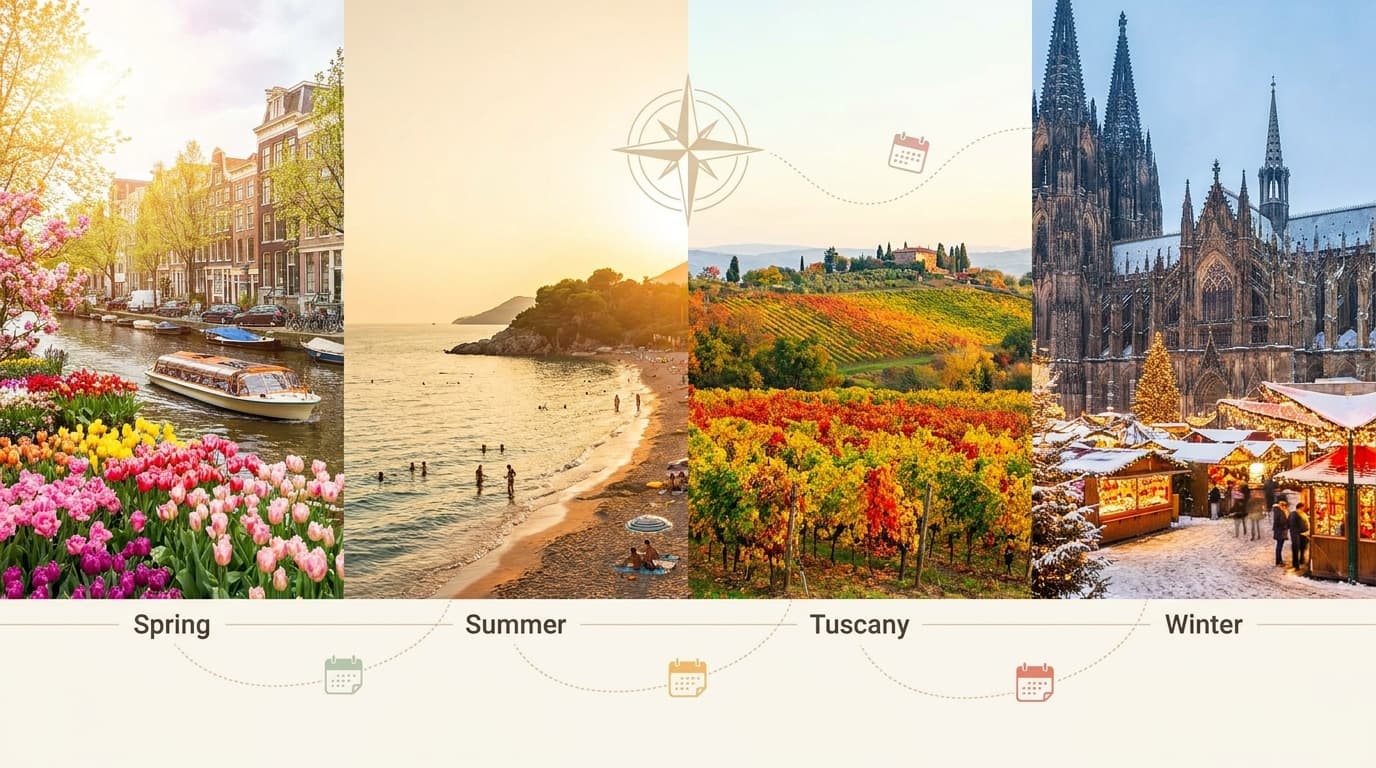
The destinations you choose significantly impact your overall budget. Opting for less-touristed regions and Eastern European countries can drastically reduce your expenses. Consider exploring cities like Prague, Budapest, Krakow, and Sofia, which offer excellent value for money compared to Paris, London, or Rome. Researching free activities, such as walking tours, visiting free museums on specific days, and exploring local parks, can help you experience the culture without spending a fortune. Also, consider traveling during the shoulder seasons (spring and autumn) to benefit from lower accommodation prices and fewer crowds. Be flexible with your itinerary and willing to explore lesser-known gems, which often offer a more authentic and affordable travel experience.
Accommodation on a Budget: From Hostels to Couchsurfing
Accommodation is often one of the largest expenses on a backpacking trip. Hostels are a fantastic option for budget travelers, offering dorm rooms at affordable prices. They also provide opportunities to meet fellow travelers and share experiences. Websites like Hostelworld and Booking.com are excellent resources for finding and booking hostels. Consider Couchsurfing for free accommodation, allowing you to stay with locals and immerse yourself in the culture. Airbnb can also offer budget-friendly options, especially if you're traveling with a group and can split the cost of an apartment. Look for accommodations with kitchen facilities to save money on food by preparing your own meals. Camping is another great option, especially in countries with well-maintained campsites. Many campsites offer basic amenities at a fraction of the cost of hotels or hostels.
When booking accommodation, always read reviews carefully to ensure the safety and cleanliness of the place. Consider locations slightly outside the city center, as they are often more affordable and still easily accessible by public transport. Take advantage of free breakfast offered by some hostels and hotels to save on your morning meal. Remember to book in advance, especially during peak season, to secure the best deals and avoid last-minute price hikes.
Transportation: Navigating Europe Affordably
Getting around Europe can be expensive, but with strategic planning, you can significantly reduce your transportation costs. Consider purchasing a Eurail pass if you plan to travel extensively by train. Eurail passes offer unlimited travel within a specific region or across multiple countries for a set period. However, assess whether a Eurail pass is truly cost-effective for your itinerary. If you're only visiting a few cities, individual train tickets might be cheaper. Websites like Trainline and Omio allow you to compare train and bus prices and book tickets in advance. Budget airlines like Ryanair, EasyJet, and Wizz Air offer incredibly cheap flights, but be mindful of baggage restrictions and extra fees. Booking flights well in advance and being flexible with your travel dates can help you secure the best deals.
Buses are generally a more affordable option than trains, especially for long-distance travel. Companies like FlixBus and Eurolines offer extensive networks throughout Europe. Consider overnight buses to save on accommodation costs and maximize your travel time. Walking and cycling are fantastic ways to explore cities and save money on transportation. Many cities offer bike-sharing programs or affordable bike rentals. Utilize local public transportation, such as buses, trams, and metros, which are often much cheaper than taxis or ride-sharing services. Consider carpooling or ride-sharing services like BlaBlaCar for longer journeys, allowing you to split the cost of fuel with other travelers.
Food and Drink: Eating Well Without Breaking the Bank
Food can be a significant expense on a backpacking trip, but there are plenty of ways to eat well without emptying your wallet. Cooking your own meals is the most effective way to save money. Take advantage of hostel kitchens or Airbnb apartments with kitchen facilities. Visit local markets and supermarkets to purchase fresh ingredients at affordable prices. Pack snacks like nuts, dried fruit, and granola bars to avoid buying expensive snacks on the go. Look for lunchtime specials and set menus at restaurants, which are often significantly cheaper than dinner options. Explore local street food markets and food stalls for affordable and authentic cuisine. Avoid tourist traps and restaurants in popular tourist areas, as they tend to be overpriced.
Take advantage of free breakfast offered by some hostels and hotels. Carry a reusable water bottle and refill it throughout the day to avoid buying bottled water. Limit your alcohol consumption, as drinks can be expensive, especially in bars and restaurants. Consider attending free food tastings and events to sample local delicacies without spending any money. Research local customs and etiquette regarding tipping, as tipping practices vary across Europe. Learn a few basic phrases in the local language, such as "thank you" and "how much does this cost?", to show respect and potentially get better deals.
Activities and Entertainment: Experiencing Europe on a Shoestring
Experiencing Europe doesn't have to be expensive. Many cities offer free walking tours, providing an excellent introduction to the city's history and culture. Visit free museums on specific days or times, as many museums offer free admission on certain days or evenings. Explore local parks and gardens, which are often free and offer a relaxing escape from the city. Attend free concerts and events, which are often advertised on local websites and bulletin boards. Take advantage of free activities like hiking, cycling, and swimming, especially in countries with stunning natural landscapes. Visit local markets and festivals, which offer a glimpse into the local culture and often feature free entertainment.
Consider purchasing a city pass, which can offer discounts on attractions and public transportation. Research free activities and events in advance to plan your itinerary accordingly. Take advantage of student discounts if you're a student. Volunteer in exchange for accommodation and food, which can be a rewarding and cost-effective way to travel. Connect with locals and other travelers to learn about hidden gems and affordable activities. Remember that the best experiences are often the unexpected ones, so be open to exploring and trying new things.
Essential Tips for Budget Backpacking in Europe (2024)
Beyond the specific categories mentioned above, several general tips can help you maximize your budget while backpacking through Europe. Pack light to avoid checked baggage fees and make it easier to navigate public transportation. Invest in a good quality backpack that is comfortable and durable. Learn a few basic phrases in the local language to communicate with locals and show respect. Be aware of your surroundings and take precautions against theft, especially in crowded tourist areas. Make copies of your important documents, such as your passport and visa, and store them separately from the originals. Purchase travel insurance to protect yourself against unexpected events, such as medical emergencies and lost luggage.
Stay connected with friends and family back home to let them know your whereabouts and keep them updated on your travel plans. Download offline maps and translation apps to navigate without relying on Wi-Fi. Be flexible with your itinerary and willing to change your plans if necessary. Embrace the unexpected and be open to new experiences. Remember that backpacking is about more than just seeing the sights; it's about immersing yourself in the culture, meeting new people, and creating memories that will last a lifetime. Most importantly, have fun and enjoy the adventure!
Staying Safe and Connected: Essential Considerations
While budget is important, safety should always be a top priority. Research the safety conditions of the countries you plan to visit and be aware of potential risks. Avoid walking alone at night in poorly lit areas and be cautious of scams and pickpockets, especially in tourist hotspots. Keep your valuables secure and consider using a money belt or hidden pouch. Share your itinerary with someone back home and check in regularly. Ensure you have the necessary vaccinations and health insurance coverage for your trip. Familiarize yourself with local emergency numbers and contact information for your embassy or consulate.
Staying connected is also crucial, especially for navigation and communication. Consider purchasing a local SIM card or using an international roaming plan to access the internet and make phone calls. Many hostels and cafes offer free Wi-Fi, but be cautious when using public Wi-Fi networks, as they may not be secure. Download offline maps and translation apps to use when you don't have internet access. Invest in a portable power bank to keep your devices charged on the go. Staying connected will allow you to research attractions, book transportation, communicate with loved ones, and access emergency services if needed.