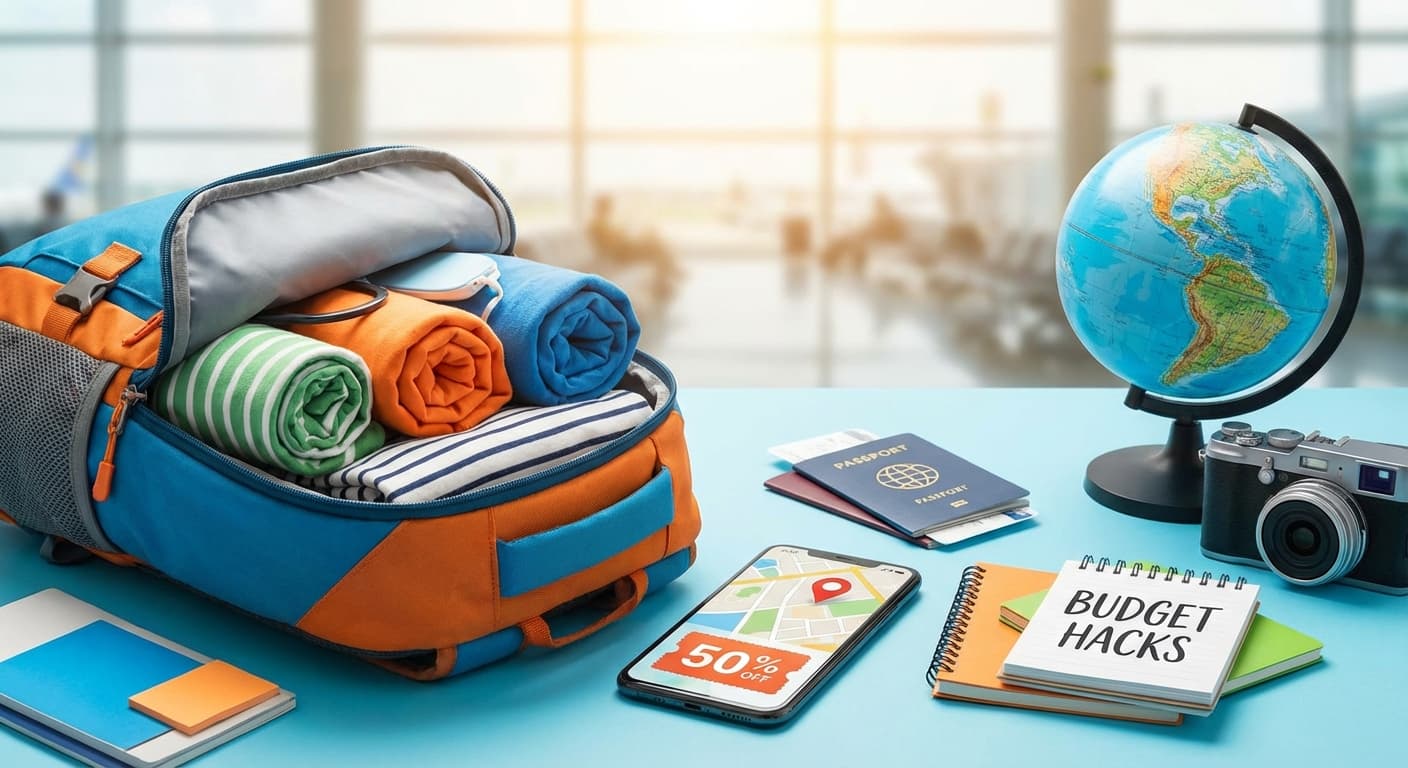
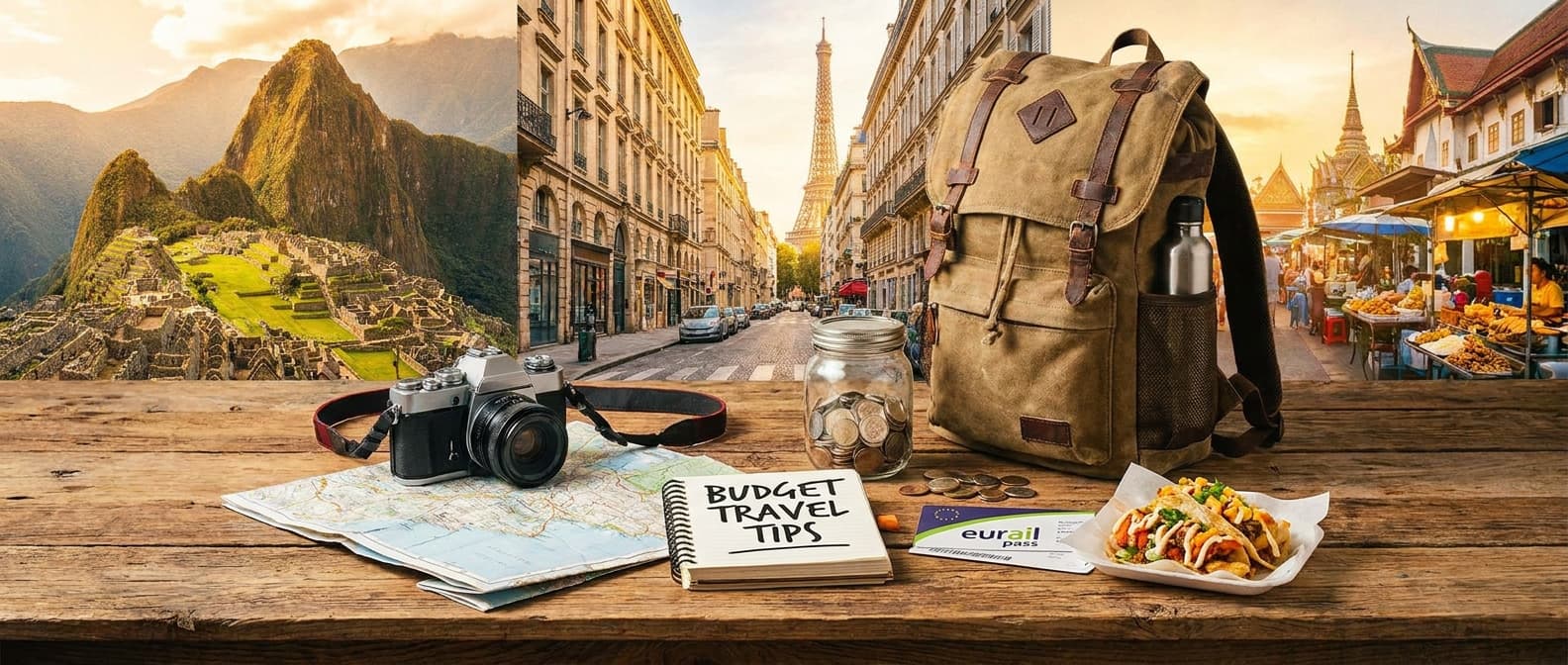
Budget Travel Tips: How to See the World Without Breaking the Bank
The allure of exploring ancient ruins, tasting exotic cuisines, and waking up to a new horizon is a universal dream. Yet, for many, a single, formidable barrier stands in the way: money. The perception that travel is an expensive luxury reserved for the wealthy is a pervasive myth, one that keeps countless would-be adventurers at home. But what if you could traverse continents, experience vibrant cultures, and create lifelong memories without draining your savings account? The truth is, you absolutely can.
Seeing the world on a budget isn't about sacrifice; it's about strategy. It's about shifting your mindset from that of a tourist to that of a savvy traveler. It involves making smart, informed decisions that prioritize experiences over extravagance. From the way you book your flights to the places you choose to eat, every choice can either inflate your costs or extend your journey. The core principle is simple: spend less on the necessities so you can spend more time exploring.
This comprehensive guide is designed to be your definitive resource for affordable travel. We will delve deep into the actionable strategies and proven hacks that seasoned budget travelers use every day. You will learn how to master the art of finding cheap flights, uncover comfortable and affordable accommodation, eat like a king on a pauper's budget, and fill your itinerary with free or low-cost activities. By the end of this article, you'll be equipped with the knowledge and confidence to turn your travel dreams into a tangible, affordable reality.
How Can You Find the Cheapest Flights Possible?
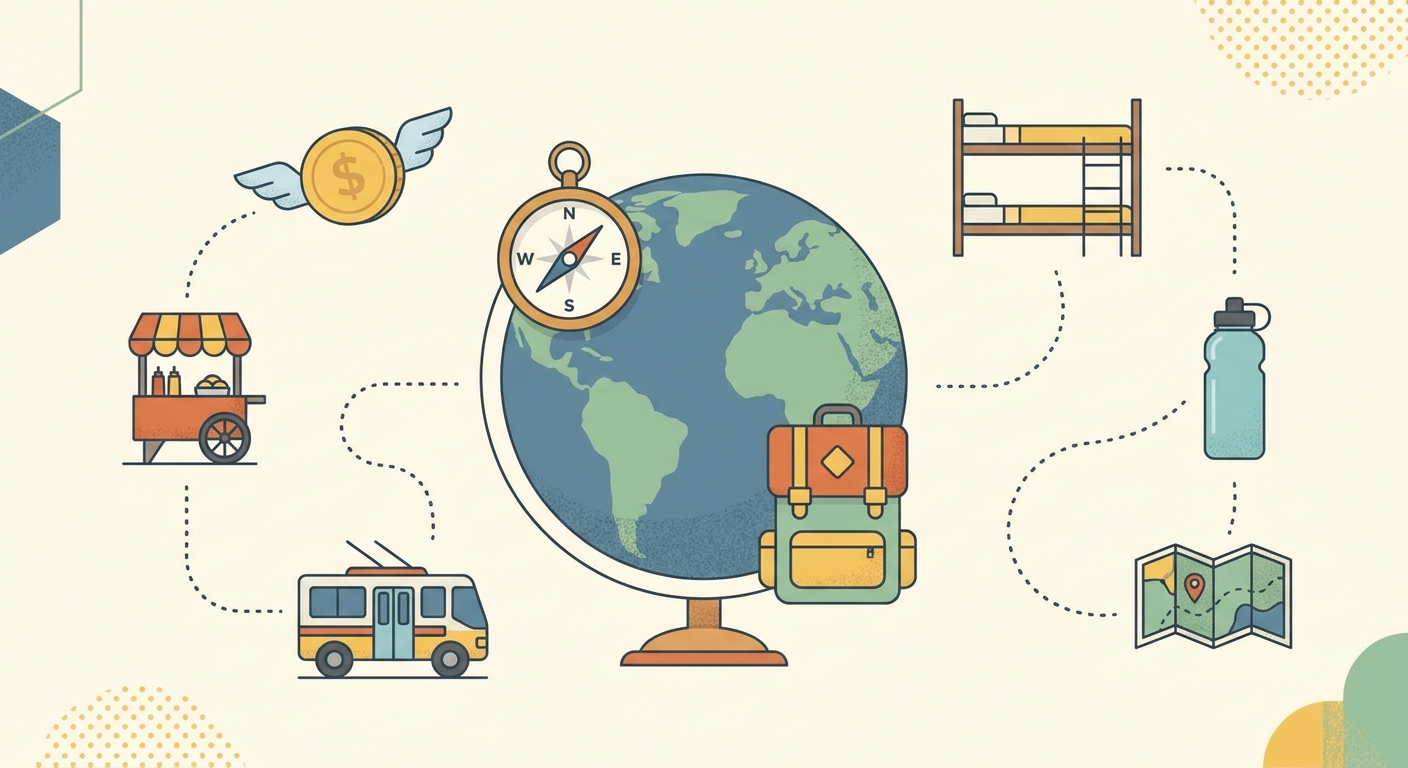
The single most effective way to find the cheapest flights is by being flexible with your travel dates and destinations and by using a combination of flight comparison tools and direct airline checks. Airfare is often the largest single expense of any trip, and mastering the art of flight booking is the first and most crucial step in budget travel. It requires a blend of strategy, timing, and the right digital tools.
The foundation of cheap flight hunting is flexibility. If you are locked into specific dates, especially during peak season or holidays, you will almost always pay a premium. The magic happens when you can shift your travel by a few days, a week, or even a month. Many flight search engines, like Google Flights and Skyscanner, have features that allow you to view prices across an entire month or even search for the 'cheapest month' to travel. This allows you to see at a glance that flying on a Tuesday instead of a Friday could save you hundreds of dollars.
Next, leverage the power of flight aggregators. These are powerful search engines that scan hundreds of airlines and online travel agencies (OTAs) to find the best prices. However, don't rely on just one. It's wise to cross-reference between several, such as Google Flights, Skyscanner, and Momondo. Each uses slightly different algorithms and may have exclusive deals with different partners. A common mistake is to book the first fare you see. Instead, use these sites to identify the cheapest dates and airlines, and then check the airline's official website directly. Sometimes, airlines offer a slightly lower price or better terms when you book directly with them, avoiding third-party commissions.
Another critical tactic is to understand the nuances of budget airlines. Carriers like Ryanair in Europe, AirAsia in Asia, and Spirit in the US offer incredibly low base fares. However, they make their money on ancillary fees for things like checked baggage, seat selection, and even printing a boarding pass at the airport. Before booking, always calculate the total cost with all necessary add-ons. A $50 flight can quickly become a $150 flight if you're not careful. Still, for travelers who can pack light and forgo luxuries, these airlines are an unbeatable way to hop between cities or countries for less than the cost of a train ticket.
Real-World Example: Booking a Trip to Europe
Imagine you want to fly from New York to Paris in June. A rigid search for June 10th to June 20th might show fares starting at $900. By using Google Flights' calendar view, you discover that flying from June 4th to June 16th drops the price to $650. Furthermore, you notice that flying into Dublin on a budget carrier and then taking a separate cheap flight to Paris costs only $550 in total. This multi-step process, enabled by flexibility and smart tool usage, saves you $350.
Actionable Insight: Set Up Price Alerts
Don't spend hours manually searching for flights every day. Once you have a route and a general timeframe in mind, set up price alerts on multiple platforms like Google Flights and Skyscanner. You'll receive an email notification when the price for your desired route drops, allowing you to book at the optimal moment without the constant effort. This passive monitoring is a game-changer for securing the best deals.
What Are the Best Ways to Secure Affordable Accommodation?
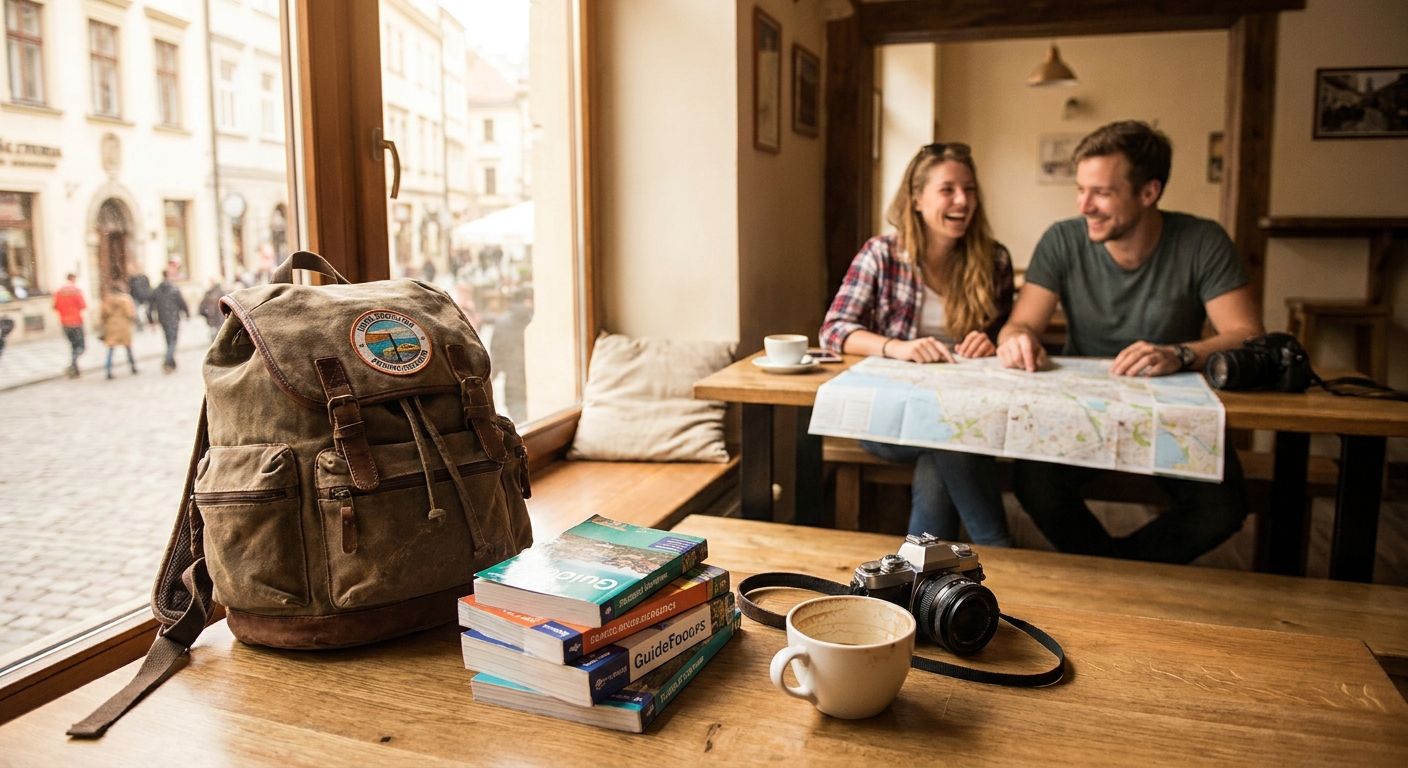
The best way to secure affordable accommodation is to look beyond traditional hotels and embrace alternatives like hostels, guesthouses, house-sitting, and short-term apartment rentals. Your choice of where to sleep is the second-largest travel expense, and being open-minded can lead to massive savings and more authentic local experiences.
For solo travelers and those on a tight budget, hostels are the undisputed champion. The modern hostel is a far cry from the dingy dorms of the past. Today, you can find boutique hostels with stylish designs, private rooms, rooftop bars, and organized social events. They offer an incredible value proposition: a safe place to sleep for a fraction of the cost of a hotel. More importantly, they are social hubs. You'll meet fellow travelers from around the world, share tips, and maybe even find a companion for a day trip. Platforms like Hostelworld and Booking.com are the best places to find and book hostels, with extensive reviews and photos to help you choose.
If dorm rooms aren't your style, consider guesthouses or private rooms on platforms like Airbnb. Guesthouses, often family-run, provide a more intimate and local experience than a large hotel. You get a private room, often with an ensuite bathroom, and the chance to interact with your hosts, who can provide invaluable local knowledge. Similarly, booking a private room in a local's apartment via Airbnb can be significantly cheaper than renting an entire place and offers a similar glimpse into local life. Always read the reviews carefully to manage expectations regarding cleanliness, location, and host interaction.
For long-term travelers, house-sitting is a revolutionary concept. In exchange for looking after someone's home and perhaps their pets while they are away, you get free accommodation. This can save you thousands of dollars over a multi-week or multi-month trip. Websites like TrustedHousesitters and MindMyHouse connect homeowners with travelers. While there's an annual membership fee, it can pay for itself in just a few nights. This option requires responsibility and a good profile with references, but the reward is unparalleled savings and the chance to live like a local in a comfortable home.
Comparison: Accommodation Types
To better understand your options, let's compare the most common budget accommodation types for a week-long stay in a city like Lisbon, Portugal.
| Accommodation Type | Average Cost (per night) | Pros | Cons |
|---|---|---|---|
| Hostel Dorm | $20 - $40 | Extremely cheap, social, great for solo travelers | Lack of privacy, potential for noise |
| Private Room in Airbnb | $40 - $70 | Privacy, local experience, kitchen access | Can be isolating, shared common spaces |
| Budget Hotel / Guesthouse | $60 - $100 | Full privacy, professional service, daily cleaning | More expensive, less social, fewer amenities |
| House-Sitting | $0 (plus membership fee) | Free, full home amenities, live like a local | Requires responsibility, competitive, fixed dates |
Actionable Insight: Stay Outside the City Center
Accommodation prices drop significantly the further you move from the main tourist hubs (like Times Square in New York or the Eiffel Tower in Paris). Look for places in residential neighborhoods that are well-connected by public transport. You'll not only save money but also experience a more authentic side of the city, with cheaper local restaurants and cafes. A 15-minute metro ride can often cut your accommodation bill by 30-50%.
How Do You Eat Well and Save Money on Food While Traveling?
To eat well and save money while traveling, you must prioritize eating like a local, which means seeking out street food, shopping at local markets, and cooking your own meals whenever possible. Food is a huge part of the travel experience, but restaurant bills can quickly decimate a budget. The key is to find the sweet spot between indulging in local cuisine and being financially prudent.
First and foremost, embrace street food and local markets. In many parts of the world, especially in Asia, Latin America, and the Middle East, the most authentic and delicious food is found not in fancy restaurants but at humble street stalls and bustling markets. These vendors often specialize in one or two dishes, perfecting them over generations. You can get a full, flavorful meal for just a few dollars. Look for stalls with long lines of locals - that's always the best sign of quality and safety. Markets are also fantastic for trying local snacks, fruits, and cheeses at a low cost.
Second, take advantage of accommodations with kitchen facilities. Booking a hostel or an Airbnb with a kitchen is one of the most powerful budget travel hacks. This doesn't mean you have to cook every meal, but preparing your own breakfast and the occasional dinner can lead to enormous savings. A trip to a local supermarket is an adventure in itself, allowing you to see what local people actually buy and eat. You can stock up on essentials like oats, eggs, pasta, and fresh produce. Even making your own sandwiches for lunch instead of buying them at a tourist cafe can save you $10-15 per day, which adds up to hundreds over a long trip.
Third, be smart about dining out. When you do decide to eat at a restaurant, avoid the tourist traps located on the main squares. Walk a few blocks away into the side streets, and you'll often find better food at half the price. Look for lunch specials or 'menu del día' (menu of the day), which many restaurants offer on weekdays. These are typically fixed-price, multi-course meals that provide incredible value. Another great tip is to have your main meal at lunchtime, when prices are lower, and a lighter, cheaper meal for dinner. Also, always carry a reusable water bottle. Buying bottled water multiple times a day is not only expensive but also environmentally unfriendly. You can refill it at your accommodation or at public fountains.
Real-World Scenario: A Food Budget in Thailand
A traveler in Chiang Mai, Thailand, has a daily food budget of $20. For breakfast, they use the hostel kitchen to make oatmeal and coffee ($1). For lunch, they head to a local market and get a delicious Pad Thai from a street vendor and a fresh fruit smoothie ($3). For dinner, they join some friends from the hostel at a small, family-run restaurant a few streets away from the main tourist area and have a green curry with rice ($4). Throughout the day, they refill their water bottle for free. Total daily food cost: $8. This leaves them with $12 for a beer, a coffee, or to save for a nicer meal later in the week.
Actionable Insight: Follow the 'Two-Block Rule'
When you're hungry and in a major tourist area, make it a rule to walk at least two blocks away from the main attraction or square before choosing a restaurant. This simple act will almost always lead you away from overpriced, low-quality tourist traps and towards more authentic, reasonably priced establishments favored by locals. It's a small effort with a big impact on both your wallet and your palate.
What Is the Secret to Finding Free and Low-Cost Activities?
The secret to finding free and low-cost activities is to shift your focus from ticketed attractions to immersive experiences. Many of the most memorable travel moments don't come with an entrance fee. It's about exploring a city's public spaces, tapping into its cultural pulse, and discovering its natural beauty, all of which can often be done for free.
Start by embracing the simple pleasure of walking. The best way to get to know a city is on foot. Wander through different neighborhoods, get lost in narrow alleyways, and observe the daily life unfolding around you. Many cities also offer free walking tours. These tours operate on a tip basis, so while not technically 'free', you can pay what you feel the tour was worth, making it an incredibly affordable way to get your bearings and learn about the city's history from a local guide. They are a fantastic activity for your first day in a new place.
Next, seek out a city's green spaces and public areas. Parks, public gardens, beaches, and riverbanks are free to enjoy and offer a wonderful respite from the urban hustle. You can spend an afternoon reading a book in the Luxembourg Gardens in Paris, watching the sunset from a beach in Barcelona, or having a picnic in Ueno Park in Tokyo. Many cities also host free events in these spaces, such as outdoor concerts, festivals, or movie screenings, especially during the summer months. Check local event listings or the city's official tourism website for a schedule.
Furthermore, take advantage of free museum days. Many world-class museums around the globe offer free admission on certain days of the week or month, or during specific evening hours. A quick Google search for 'free museum days in [City Name]' can save you a significant amount of money. For example, the Louvre in Paris is free on the first Friday of the month after 6 pm, and many of London's top museums, like the British Museum and the National Gallery, are always free. Planning your itinerary around these free admission times is a simple yet highly effective budget strategy.
Example: A Free Day in Rome
A traveler in Rome wants to experience the city without spending a fortune on entrance fees. They start their morning by visiting the Pantheon, an architectural marvel that is free to enter. Afterward, they wander over to the Trevi Fountain and the Spanish Steps, two iconic landmarks that cost nothing to see. For the afternoon, they join a free walking tour of the Roman Forum, getting a history-rich overview from the outside without paying the entrance fee. They end the day by climbing Janiculum Hill for a breathtaking, free panoramic view of the city at sunset. They've experienced the essence of Rome's history and beauty, all for the cost of a tip for the tour guide.
Actionable Insight: Visit the Local Tourist Information Office
Upon arriving in a new city, make your first stop the official tourist information office. The staff are a goldmine of local knowledge. They can provide you with free city maps, tell you about any current festivals or free events, give you public transport advice, and provide discount vouchers for paid attractions. They are paid to help you enjoy their city, and their insider tips are often more valuable than what you'll find in a generic guidebook.

How Can You Master Transportation Without Overspending?
Mastering transportation without overspending hinges on prioritizing public transport, walking whenever feasible, and researching multi-day or regional travel passes. Getting from point A to point B, both within a city and between cities, can add up quickly if not managed carefully. The goal is to move efficiently and affordably, just like a local would.
Within cities, public transportation is your best friend. Taxis and ride-sharing services like Uber should be considered a last resort, reserved for late nights or situations where safety is a concern. Instead, learn to navigate the local system of buses, trams, and subways. Before your trip, do a little research on the city's transport network. Download a city-specific transit app or use the public transport feature in Google Maps. Most cities offer multi-day or weekly travel cards that provide unlimited rides for a flat fee. These almost always offer better value than buying single tickets if you plan on making more than two or three journeys a day. It may seem intimidating at first, but after a day or two, you'll be navigating the city like a pro.
For inter-city travel, especially in regions like Europe or Southeast Asia, there are numerous budget-friendly alternatives to flying. Buses are often the cheapest option, though they are also the slowest. Companies like Flixbus in Europe and various VIP bus services in Asia offer comfortable, long-distance travel for a fraction of the cost of a train ticket or flight. Trains, while sometimes more expensive than buses, can offer a great balance of speed, comfort, and scenic views. Booking train tickets in advance can lead to significant savings, as last-minute fares can be exorbitant. Look for country-specific or regional rail passes like the Eurail Pass if you plan on extensive train travel, but always do the math to ensure the pass is cheaper than buying individual point-to-point tickets.
Finally, never underestimate the power of your own two feet. Walking is not only free but, as mentioned earlier, is the best way to discover the hidden gems of a city. For slightly longer distances, consider bike-sharing programs. Many cities have affordable public bike rental systems where you can pick up a bike from one dock and drop it off at another. It's a cheap, healthy, and enjoyable way to cover more ground than walking without resorting to a bus or metro.
Comparison: Traveling from Paris to Amsterdam
Let's compare the different ways a budget traveler could get from Paris to Amsterdam, a popular European route:
- High-Speed Train (Thalys): This is the fastest option, taking about 3.5 hours. However, a last-minute ticket can cost over $150. If booked weeks or months in advance, the price can drop to around $50-$70.
- Bus (Flixbus/BlaBlaBus): This is the cheapest option. The journey takes 7-8 hours, but tickets can be found for as low as $20-$30, even when booked relatively close to the travel date.
- Flight (Budget Airline): The flight itself is only about 1.5 hours, but when you factor in travel to and from the airports (which are often far from the city center) and security checks, the total travel time can be 5-6 hours. Base fares can be cheap ($40), but with baggage fees, the total cost can easily exceed $80-$100.
- Ridesharing (BlaBlaCar): This platform connects drivers with empty seats to passengers going the same way. It can be faster than the bus and cheaper than the train, with prices often in the $30-$40 range. It also offers a chance to meet and talk with a local.
Actionable Insight: Always Validate Your Ticket
In many public transport systems, particularly in Europe, you must validate your ticket in a stamping machine on the platform or upon boarding the bus or tram. Failing to do so can result in a hefty fine, even if you have purchased a valid ticket. These fines can be $50 or more, a completely avoidable expense that can ruin a budget traveler's day. Always observe what the locals are doing and make sure your ticket is validated correctly.
Is Travel Hacking a Realistic Way to Save Money?
Yes, travel hacking is a very realistic way to save substantial money on travel, but it requires organization, good credit, and responsible financial habits. It's not a get-rich-quick scheme but a long-term strategy of leveraging credit card rewards, loyalty programs, and sign-up bonuses to earn points and miles that can be redeemed for free or heavily discounted flights and hotel stays.
The core of travel hacking revolves around travel rewards credit cards. These cards offer large sign-up bonuses, often ranging from 50,000 to 100,000 points, after you spend a certain amount of money within the first few months. This single bonus can be enough for a round-trip flight to Europe or several nights in a luxury hotel. The key is to strategically apply for cards that align with your travel goals and to meet the minimum spending requirement through your regular, everyday purchases - never by going into debt. It is crucial to pay off your balance in full every month, as the interest charges from carrying a balance will quickly negate any rewards you earn.
Beyond sign-up bonuses, these cards earn you points or miles on every dollar you spend, with accelerated earnings in specific categories like travel, dining, or groceries. You then learn the art of redeeming these points for maximum value. For example, transferring your credit card points to an airline partner to book a business class flight can yield a value of 5-10 cents per point, whereas redeeming them for cash back might only give you 1 cent per point. Websites like The Points Guy and Nomadic Matt offer extensive free guides on the best travel cards and redemption strategies.
Travel hacking isn't limited to credit cards. It also involves being loyal to specific airline alliances (like Star Alliance or Oneworld) and hotel chains (like Marriott or Hilton). By signing up for their free loyalty programs and concentrating your travel with them, you can earn elite status, which comes with perks like free upgrades, complimentary breakfast, and bonus point earnings. You should also take advantage of shopping portals, where you can earn bonus miles just by clicking through a specific link before making an online purchase you were already planning to make.
Real-World Example: Earning a Free Flight
Sarah wants to fly from Chicago to Japan. She signs up for a premium travel credit card that offers a 75,000-point sign-up bonus after spending $4,000 in three months. She shifts all her regular spending - groceries, gas, bills, dining - onto this new card. By paying her rent through a service that accepts credit cards (for a small fee), she easily meets the minimum spend without buying anything extra. The 75,000 bonus points, plus the points earned from her spending, are enough to transfer to an airline partner and book a round-trip economy ticket to Tokyo, saving her over $1,200 in airfare.
Actionable Insight: Start Small and Stay Organized
The world of travel hacking can seem overwhelming. Don't try to do everything at once. Start with one good, all-around travel rewards card with no annual fee or a low one. Use it responsibly for all your spending and pay it off every month. Keep a simple spreadsheet to track your cards, sign-up bonus deadlines, and annual fee dates. As you get more comfortable, you can expand your strategy, but the foundational principle remains the same: spend responsibly and let the rewards accumulate.
How Should You Manage Your Money and Avoid Hidden Fees Abroad?
To effectively manage your money and avoid hidden fees abroad, you must use a combination of fee-free credit and debit cards, be strategic about currency exchange, and always opt to pay in the local currency. Hidden bank fees, poor exchange rates, and ATM charges can silently eat away at your travel budget, costing you hundreds of dollars over the course of a trip without you even realizing it.
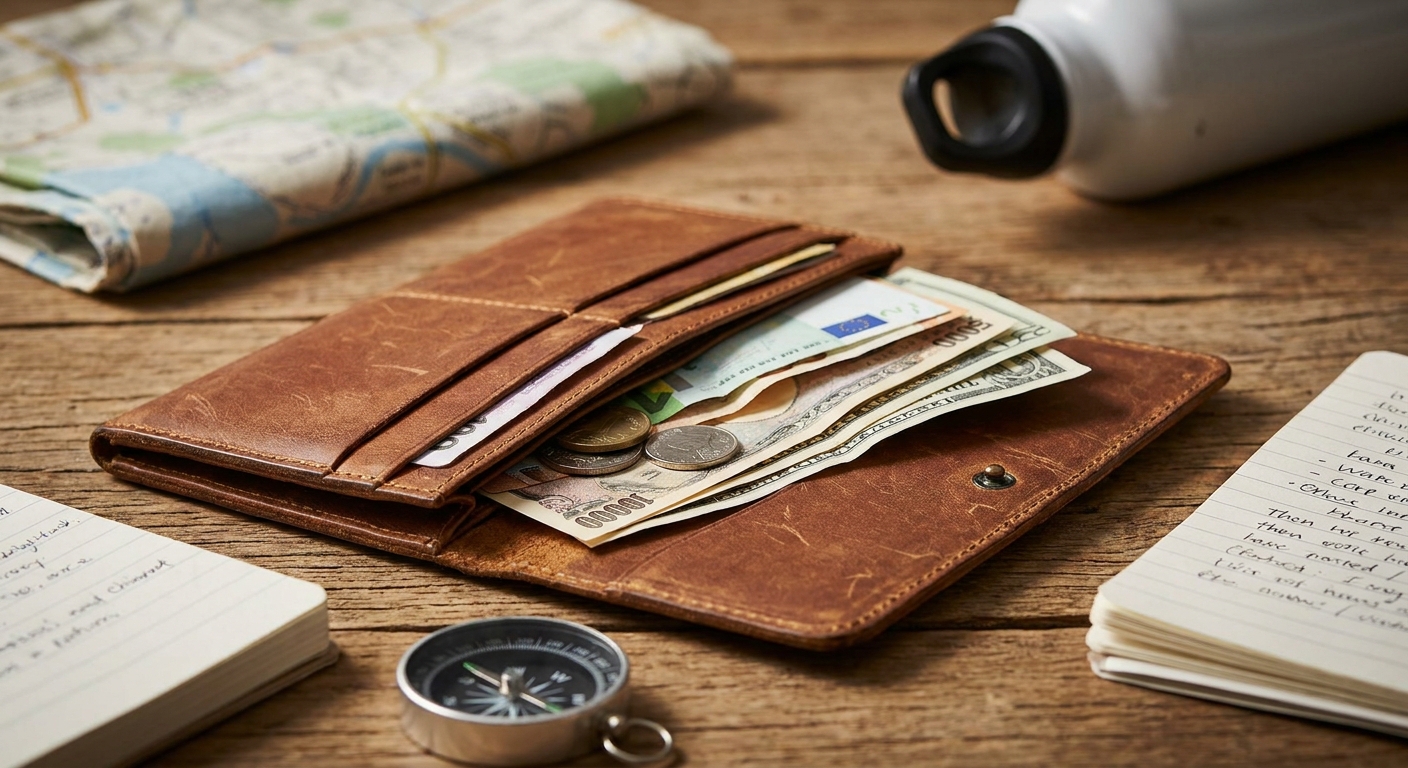
The first line of defense is choosing the right plastic. Before you leave, acquire a credit card that has no foreign transaction fees. Many standard credit cards charge a fee of 2-3% on every purchase made in a foreign currency. This is like adding an extra tax to everything you buy. There are many travel-focused credit cards that waive this fee entirely. Similarly, get a debit card from a bank that either charges no foreign ATM withdrawal fees or reimburses them. Charles Schwab Bank and some credit unions are well-known for this. This allows you to withdraw local cash from ATMs at your destination without paying exorbitant fees to both your bank and the local bank.
When you do need cash, always withdraw it from an official bank ATM. Avoid the currency exchange counters at airports or in tourist-heavy areas, as they almost always offer the worst exchange rates. When withdrawing from an ATM, take out larger sums of money less frequently to minimize any fixed fees per transaction. For instance, it's better to withdraw $300 once than $100 three times. Always carry a small amount of emergency cash (e.g., $100-$200 USD) hidden separately from your wallet, just in case you lose your cards or can't find a working ATM.
A critical tip is to always, without exception, choose to be charged in the local currency when using your credit card. Merchants and foreign ATMs will often present you with an option to pay in your home currency (e.g., USD). This is called Dynamic Currency Conversion (DCC), and it's a trap. While it seems convenient, the merchant or ATM provider sets their own inflated exchange rate, which is always worse than the rate your own bank would give you. Politely decline this 'service' and insist on paying in the local currency (e.g., Euros, Thai Baht, etc.). Your credit card network (Visa or Mastercard) will then convert the currency at a much more favorable wholesale rate.
Scenario: The Dynamic Currency Conversion Trap
Mark is buying a souvenir in Spain for €50. At the checkout, the credit card machine asks if he wants to pay €50 or $55. He sees the dollar amount and thinks it's convenient to know the exact cost. He chooses $55. What he doesn't know is that the wholesale exchange rate would have converted €50 to only $52. By choosing the DCC option, he paid an extra $3 for the merchant's 'convenience'. While small, these charges add up significantly across dozens of transactions during a trip.
Actionable Insight: Inform Your Banks Before You Travel
Before you depart, log in to your online banking portal or call your credit and debit card companies to set up a travel notice. Inform them of the countries you'll be visiting and your travel dates. This simple step prevents their fraud detection systems from flagging your legitimate overseas purchases as suspicious activity and freezing your accounts. There's nothing worse than being stranded in a foreign country with no access to your money.
Why is Choosing the Right Destination the Ultimate Budget Hack?
Choosing the right destination is the ultimate budget hack because your daily costs for accommodation, food, and activities are largely predetermined by the local cost of living. No amount of money-saving tips can make a trip to Switzerland as cheap as a trip to Vietnam. By prioritizing destinations where your home currency is strong, you can travel longer, more comfortably, and experience more for less.
The difference in daily expenses between regions is staggering. In countries like Norway, Iceland, or Japan, a modest daily budget might be $150-$200 per person. In contrast, in destinations across Southeast Asia (like Thailand, Cambodia, Vietnam), Eastern Europe (like Poland, Hungary, Romania), or parts of Latin America (like Bolivia, Colombia, Mexico), you can have an incredible experience on a budget of $30-$50 per day. This means a $3,000 travel fund could last you two weeks in Western Europe but could stretch for two months or more in Southeast Asia. For a budget traveler, this choice is the single most impactful decision you will make.
When researching destinations, look beyond the obvious. While Paris and Rome are iconic, they are also expensive. Consider exploring equally beautiful but more affordable alternatives. Instead of the Italian Riviera, explore the coast of Albania. Instead of the Swiss Alps, trek the mountains of Kyrgyzstan. Instead of Portugal, consider its less-traveled neighbor, Georgia. These destinations offer rich history, stunning landscapes, and delicious food without the massive crowds and inflated prices of their more famous counterparts. Choosing a less conventional path not only saves money but often leads to more unique and authentic adventures.
Another key factor is timing, also known as traveling in the 'shoulder season'. This is the period just before or just after the peak tourist season. For example, visiting the Mediterranean in May or September instead of July or August. During the shoulder season, the weather is still pleasant, the crowds are smaller, and prices for flights and accommodation can be 20-40% lower. You get a better experience for less money, making it a win-win situation for any budget-conscious traveler.
Example Destination Tiers (Daily Budget per Person)
- Ultra-Budget ($25-$40/day): Southeast Asia (Vietnam, Cambodia, Northern Thailand, Laos), parts of India and Nepal, Bolivia.
- Budget ($40-$70/day): Eastern Europe (Poland, Czech Republic, Hungary), The Balkans (Albania, Serbia), Mexico, Colombia, Turkey, Portugal.
- Mid-Range ($70-$150/day): Spain, Italy, Greece, South Korea, much of South America (Argentina, Chile).
- Expensive ($150+/day): USA, UK, France, Germany, Australia, Japan, Scandinavia, Switzerland.
Actionable Insight: Let Deals Dictate Your Destination
Instead of choosing a destination and then searching for a deal, reverse the process. Use tools like Google Flights' 'Explore' map or Skyscanner's 'Everywhere' search function. You can input your home airport and desired travel dates (or even 'flexible dates'), and these tools will show you the cheapest places you can fly to around the world. You might discover an incredibly cheap flight to a country you had never considered before, sparking a new and unexpected adventure. This flexible, deal-driven approach is the hallmark of a savvy budget traveler.
How Can Packing Smart Save You Significant Money?
Packing smart, which means packing light and packing right, can save you significant money by helping you avoid exorbitant checked baggage fees, especially on budget airlines. Furthermore, having the right items with you can prevent unnecessary purchases at your destination. Every item in your bag should either be essential or serve multiple purposes.
The golden rule of budget travel packing is to travel with a carry-on bag only. Most budget airlines charge heavily for checked luggage, with fees sometimes exceeding the cost of the flight itself. By fitting everything into a carry-on compliant backpack or suitcase, you can avoid these fees entirely. This requires a minimalist mindset. Lay out everything you think you need, and then cut it in half. Pack versatile clothing that can be layered and mixed and matched. Choose neutral colors and supplement with one or two colorful accessories. Instead of multiple pairs of bulky shoes, bring one comfortable pair for walking and one slightly dressier but still practical option.
Packing the right items can also prevent costly on-the-road purchases. Always pack a small first-aid kit with basics like pain relievers, bandages, and antiseptic wipes. A small tube of travel-sized laundry detergent allows you to wash clothes in a sink, extending your wardrobe and avoiding expensive laundromat services. A portable power bank ensures your phone doesn't die when you're navigating a new city, saving you from having to buy an overpriced one at a tourist shop. Other money-saving essentials include a reusable water bottle, a travel towel (many hostels charge for them), and a padlock for securing your locker.
Think strategically about liquids and toiletries. Purchase solid toiletries - like shampoo bars, conditioner bars, and solid toothpaste - to avoid issues with the 100ml (3.4oz) liquid limit for carry-on luggage. This also prevents messy spills in your bag. If you must bring liquids, use refillable travel-sized bottles instead of buying expensive miniature versions of your favorite products. For longer trips, it's often cheaper to buy larger toiletries like sunscreen or shampoo once you arrive at your destination rather than trying to pack enough for the whole journey.
Scenario: The Cost of Overpacking
John is flying from London to Rome on a budget airline. His base fare was only $40. However, he packed a large suitcase that needs to be checked. The airline charges $50 for a checked bag each way. His cheap round-trip flight has now cost him an extra $100 in fees, bringing the total to $140. His friend, Emily, packed everything into a carry-on backpack. She paid only the $80 for her round-trip ticket. By packing light, Emily saved $60, enough to pay for two nights in her hostel.
Actionable Insight: Roll, Don't Fold, and Use Packing Cubes
To maximize space in your carry-on, roll your clothes tightly instead of folding them. This technique minimizes wrinkles and allows you to fit much more into a small space. To take your organization to the next level, invest in packing cubes. These are small zippered bags that help you compartmentalize and compress your clothing. You can have one cube for tops, one for bottoms, and one for underwear. They make it incredibly easy to find what you're looking for without unpacking your entire bag, keeping you organized and efficient on the road.
What Role Does Travel Insurance Play in Budget Travel?
Travel insurance plays a critical, non-negotiable role in budget travel by acting as a financial safety net against unforeseen and potentially catastrophic events. While it may seem like an unnecessary upfront cost, the reality is that if you can't afford travel insurance, you can't afford to travel. A single medical emergency or trip cancellation could cost you tens of thousands of dollars, turning a dream trip into a financial nightmare.
The most important component of any travel insurance policy is emergency medical coverage. Your domestic health insurance plan will likely provide little to no coverage once you are outside your home country. If you get into an accident or become seriously ill abroad, the costs for medical treatment, hospitalization, and even emergency medical evacuation can be astronomical. A good travel insurance policy will cover these expenses, ensuring you get the care you need without facing a lifetime of debt. This is not a corner you should ever cut.
Beyond medical emergencies, travel insurance also protects your financial investment in the trip itself. Trip cancellation coverage reimburses you for pre-paid, non-refundable expenses (like flights and hotels) if you have to cancel your trip for a covered reason, such as a family emergency or personal illness. Trip interruption coverage helps if you have to cut your trip short for similar reasons. These policies also typically include coverage for lost or stolen luggage, which can be a lifesaver if an airline misplaces your bag containing all your belongings.
When choosing a policy, don't just opt for the cheapest one. Read the fine print carefully. Understand the coverage limits, the deductible, and what activities are excluded. For example, if you plan on doing adventurous activities like scuba diving or mountain climbing, you may need to purchase an add-on or a specialized policy. Compare quotes from different providers using aggregator sites like InsureMyTrip or Squaremouth. Look for reputable companies with a history of good customer service and efficient claims processing, such as World Nomads or SafetyWing, which are popular choices among long-term and budget travelers.
Real-World Scenario: The Value of Insurance
Maria is backpacking through Peru. While hiking, she slips and suffers a serious leg fracture. She requires immediate medical attention and surgery at a local clinic, followed by a medically-assisted flight back home. The total cost amounts to over $40,000. Because she purchased a comprehensive travel insurance policy for around $150 before her trip, the insurance company covers the entire bill. Without it, this single accident would have been financially devastating for her and her family.
Actionable Insight: Check Your Credit Card Benefits
Before purchasing a separate travel insurance policy, check the benefits offered by your travel rewards credit cards. Many premium cards include a surprising amount of built-in travel insurance, such as trip cancellation, lost luggage, and rental car collision damage waivers, simply for booking your travel with that card. These benefits can often be sufficient for shorter, less adventurous trips. However, they usually have lower coverage limits and may not include comprehensive emergency medical coverage, so it's vital to read the policy documents to understand what is and isn't covered before relying on it solely.
Embarking on a journey to see the world is one of the most enriching experiences a person can have. As we've explored, the financial barriers that once seemed insurmountable can be overcome with the right knowledge, mindset, and strategies. The dream of global travel is not an exclusive club for the wealthy; it is accessible to anyone with a thirst for adventure and a willingness to be a smart, resourceful traveler. From the meticulous planning of flights and accommodation to the simple daily choices of where to eat and what to do, every step of the journey presents an opportunity to save money without sacrificing the richness of the experience.
The key takeaways are elegantly simple: be flexible, think like a local, and plan ahead. Flexibility with your dates and destinations unlocks the door to the best travel deals. Living like a local - by eating street food, using public transport, and staying in neighborhoods outside the tourist center - not only saves you a fortune but also immerses you in the authentic culture of a place. Smart planning, from packing light to securing travel insurance and using the right bank cards, protects you from unnecessary fees and unexpected disasters. These principles work in harmony, transforming travel from a costly expense into a sustainable passion.
Ultimately, budget travel is a mindset. It's about prioritizing experiences over possessions, adventure over luxury, and connection over comfort. It's about realizing that the most valuable souvenirs are not the trinkets you buy but the memories you create and the perspectives you gain. So, start researching those affordable destinations, set up those flight alerts, and begin planning your adventure. The world is vast, beautiful, and far more accessible than you think. With these tips in your arsenal, you are no longer just a dreamer; you are a traveler on the verge of your next great journey.
Frequently Asked Questions
For a month of budget travel, a reasonable estimate is between $1,000 and $2,000 per person. This figure varies dramatically based on the destination. In inexpensive regions like Southeast Asia or Eastern Europe, you can comfortably live on $30-$50 per day, covering hostels, local food, and activities. This would put your monthly total around $900-$1,500. In more expensive regions like Western Europe or Australia, you would need to budget closer to $60-$80 per day, bringing the monthly cost to $1,800-$2,400. This budget assumes you are staying in hostels, cooking some meals, and using public transport.
It is generally cheaper to book major travel components like international flights and specific trains well in advance, typically 2-4 months out. Airlines use dynamic pricing, and prices tend to rise sharply in the weeks leading up to the departure date. However, for other elements like accommodation (especially hostels), inter-city buses, and tours, you can often find good deals last minute, as companies look to fill empty spots. The best strategy is a hybrid approach: book your main transportation in advance to secure a low price, but leave some flexibility in your intra-country itinerary to take advantage of last-minute opportunities.
The most common mistakes are overpacking, which leads to baggage fees; eating in tourist-trap restaurants near major attractions; and incurring hidden bank fees by using the wrong cards or accepting dynamic currency conversion. Another frequent error is not getting travel insurance, which can be a financially catastrophic mistake if something goes wrong. Forgetting to inform your bank of your travel plans can also lead to your cards being frozen. Finally, having a rigid itinerary prevents you from taking advantage of spontaneous, low-cost opportunities and can add unnecessary stress to your trip. A little planning goes a long way in avoiding these pitfalls.
While completely free travel is difficult, you can dramatically reduce costs to near-zero through several methods. House-sitting, via platforms like TrustedHousesitters, allows you to stay in homes for free in exchange for looking after pets or property. Couchsurfing provides a free place to sleep on a local's couch or in a spare room. Work exchange programs, such as Workaway or Worldpackers, offer free accommodation and sometimes food in exchange for a few hours of work per day. Finally, travel hacking with credit card points can cover your entire flight and hotel costs, making the core expenses of your trip free.
The best way to find cheap travel deals is to be consistently proactive and flexible. Sign up for email newsletters from deal-finding websites like Scott's Cheap Flights (now Going) or Jack's Flight Club, which alert you to airline error fares and special promotions. Use flight search engine features like Google Flights' 'Explore' map or Skyscanner's 'Search Everywhere' function to discover the cheapest destinations from your home airport. Being flexible with your travel dates and willing to travel in the shoulder season (just before or after peak season) will always unlock the best prices for both flights and accommodation.